Syria to dismantle Assad regime's chemical weapons legacy 13 years after deadly attack - analysis
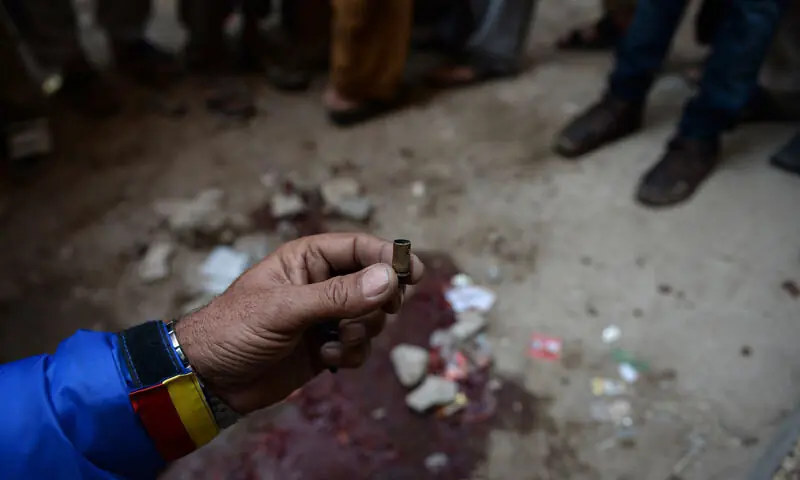
On August 21, 2013, rockets carrying a chemical sarin nerve agent struck areas of Eastern and Western Ghouta outside Damascus.
Thirteen years after the chemical weapons attack on Ghouta, Syria's government states it is embarking on a new phase in dismantling the disastrous legacy of its chemical weapons program. Syrian officials and the Organization for the Prohibition of Chemical Weapons (OPCW) have recently signaled a shift toward cooperation and accountability. The international community backs Syria in this effort.
The developments come as Syria works to mend relationships with Western nations since the downfall of the Assad regime in December 2024. This represents a clear example of the new authorities in Damascus distancing themselves from the previous government that ruled for over five decades.
According to Syria's state media, Foreign Minister Asaad Hassan al-Shaibani announced that Syria is entering a new phase in handling its chemical weapons legacy. The work will include identifying those responsible and holding them accountable through prosecution. This follow-up coincides with the anniversary of the devastating Ghouta attack.
On August 21, 2013, chemical sarin nerve agent rockets hit Eastern and Western Ghouta, killing over 1,400 civilians and injuring thousands more. The attack marked a turning point in the Syrian civil war, showcasing the regime's willingness to use chemical weapons, and prompting limited international intervention. Despite denials from the Assad regime, over 200 chemical weapons attacks occurred from late 2012 until the regime's fall, resulting in more than 1,500 deaths.
International investigations by the OPCW and the United Nations found the Assad government responsible, including the sarin attack in Khan Shaykhun in 2017 and chlorine attacks in other regions. The United States and Britain retaliated with missile strikes against facilities linked to Syria's chemical weapons program. The OPCW recently found undeclared chemical munitions, underscoring the magnitude of the remaining task and the importance of ongoing cooperation.
Syria has now restored full cooperation with the OPCW and is actively working to eliminate the remaining elements of its former chemical weapons program. Interior Minister Anas Khattab stated that several individuals connected to the chemical attacks have already been arrested, and efforts to locate more suspects continue. No criminal will escape punishment, regardless of the time that passes.
Confronting Syria's chemical weapons legacy serves several purposes for the new leadership. It helps rebuild international credibility, reinforces an international norm against chemical weapons use, and demonstrates a commitment to justice. This new phase is seen as essential for Syria's future and its continued efforts to rebuild relations with Western countries.
Written by urgent.news from Jerusalem Post's reporting — not their text. Machine-written — may contain errors; check the original before relying on it.