‘피털루’와 광주…기억을 제도로 바꾸는 민주주의 [왜냐면]
On 13th of last month, National Power Party Member of Parliament Jeon Byung-seok hosted a forum titled "Renaissance of the 5·18 Democratic Uprising" at the National Assembly. During this event, the term "5·18" was replaced with "the so-called soho incident". Jeon emphasized that one should not assume all perspectives are identical when referencing an event like 5·18, as research results presented at academic symposiums come from various experiences and expertise.
He stressed that revisiting history and revising interpretations based on new findings is an essential aspect of scholarship, but overturning accumulated records and judicial judgments without any evidence is not a scholarly reexamination. The value of a discussion lies not in challenging taboos, but in getting closer to the facts.
Interpreting history does not mean assigning equal weight to every interpretation; altering facts according to political needs is more akin to historiographical distortion than scholarly criticism. Furthermore, a historical forum in the National Assembly should prioritize the credibility of sources, balance counterarguments, and above all, respect for victims.
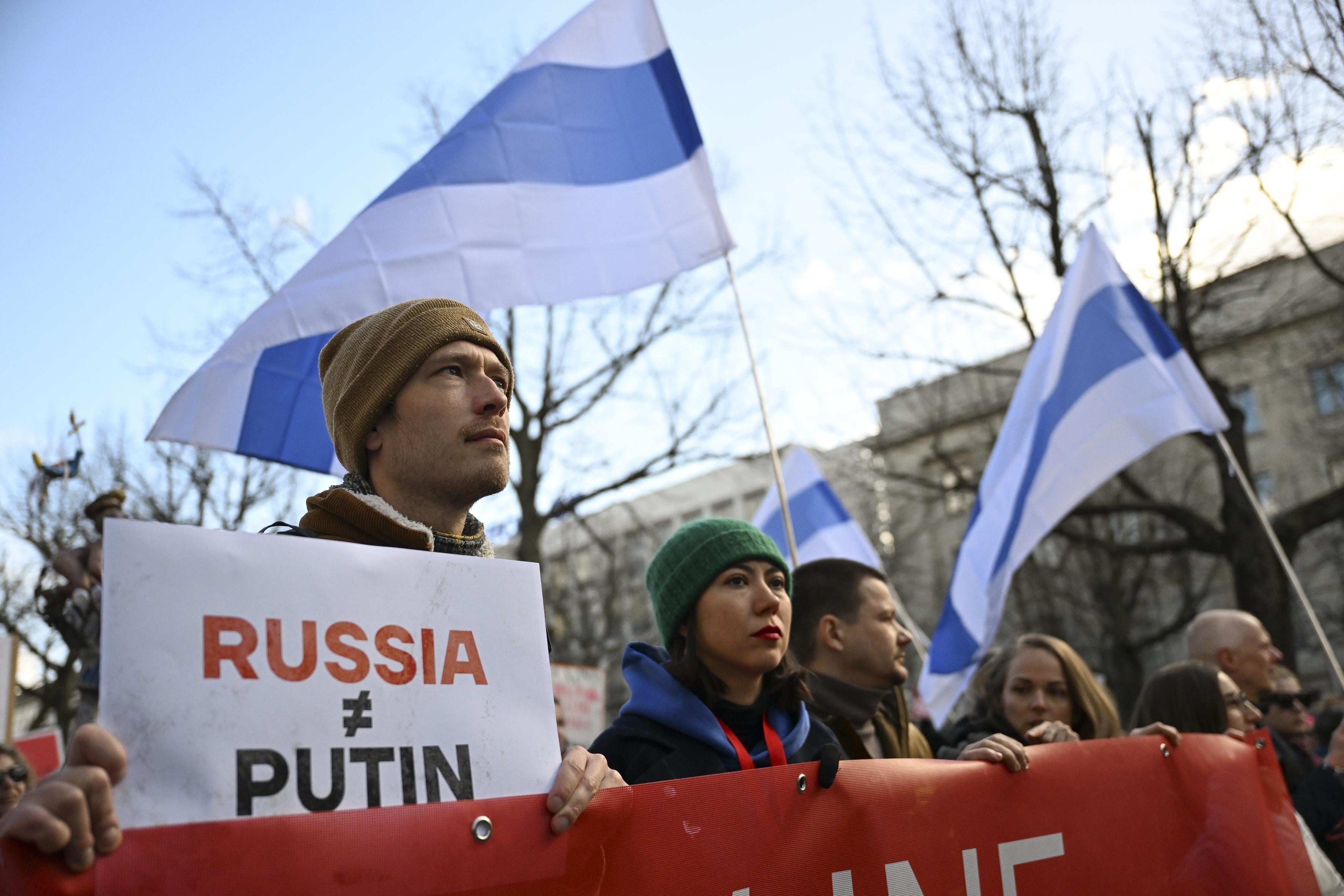
"Renaissance" does not mean diluting responsibility; rather, it represents a pledge to more rigorously verify the data. A similar incident occurred in 1819 in Manchester, England, where 60,000 citizens gathered to protest unreasonable election systems and demand parliamentary reform. However, the authorities deployed cavalry to suppress the peaceful gathering, and cavalrymen attacked civilians, resulting in 18 deaths and hundreds of injuries.
This event was dubbed "the Toulon massacre," a name meant to fiercely criticize the fact that military forces attacked their own citizens. Just like in Toulon, the power that framed the protesters as a dangerous crowd and labeled the massacre as "order restoration" failed to control the truth. The memory of Toulon has only grown stronger and continues to inspire democratic movements seeking to expand representation and rights.
In 1980, Guamsu experienced a similar situation. Initially, the military labeled civilians as "rioters" and framed the incident as "a disturbance," attempting to shift responsibility to the citizens. However, the truth eventually emerged, and the military's actions during the 12·12 coup and 5·18 were found guilty in court as a coup and an internal disturbance, while the citizens' resistance was reevaluated as actions to protect constitutional order and democracy.
The national embarrassment that the military imposed upon itself was rectified, and the citizens took it upon themselves to maintain order, protect the wounded, and preserve the community after the military withdrew. The truth uncovered and the record established through this process elevated Guamsu's memory as a democratic asset, and it was subsequently inscribed in the UNESCO World Records of Good Governance.
Guamsu has transcended being just a local tragedy, becoming a testament to South Korea's constitution and humanity's human rights record. Both Toulon and Guamsu share a common thread: national power initially treated civil resistance as "riots" and "annoyances," but later, the democratic society reclaimed those terms. Power framed as "dangerous crowds" was stripped away, and citizens were once again recognized as the holders of rights.
It is no longer appropriate to solely focus on the memory of 5·18 as the history of a specific region or a particular political faction. Demanding that 5·18 be reinterpreted as a non-specific memory is not merely embracing a specific ideology; it is verifying a fundamental principle of liberal democracy, which is to ensure that national power never again turns citizens into enemies.
Written by urgent.news from Hankyoreh's reporting — not their text. Machine-written — may contain errors; check the original before relying on it.