기후영수증 돌리기 [세상읽기]
The National Assembly is preparing to handle the carbon neutrality Basic Law amendment prior to its plenary session, which will be finalized by the end of August. In August, the Constitutional Court ruled that the law, which does not set a future greenhouse gas reduction target, violates the basic rights of future generations, ordering a revision by February 28, 2026.
The Assembly missed this deadline, and the amendment has been in effect since March. The Climate Crisis Special Committee of the Assembly held a deliberative public hearing in March and April with 340 citizens, and 77.9% of the representatives expressed support for an early reduction path to alleviate the burden on future generations.
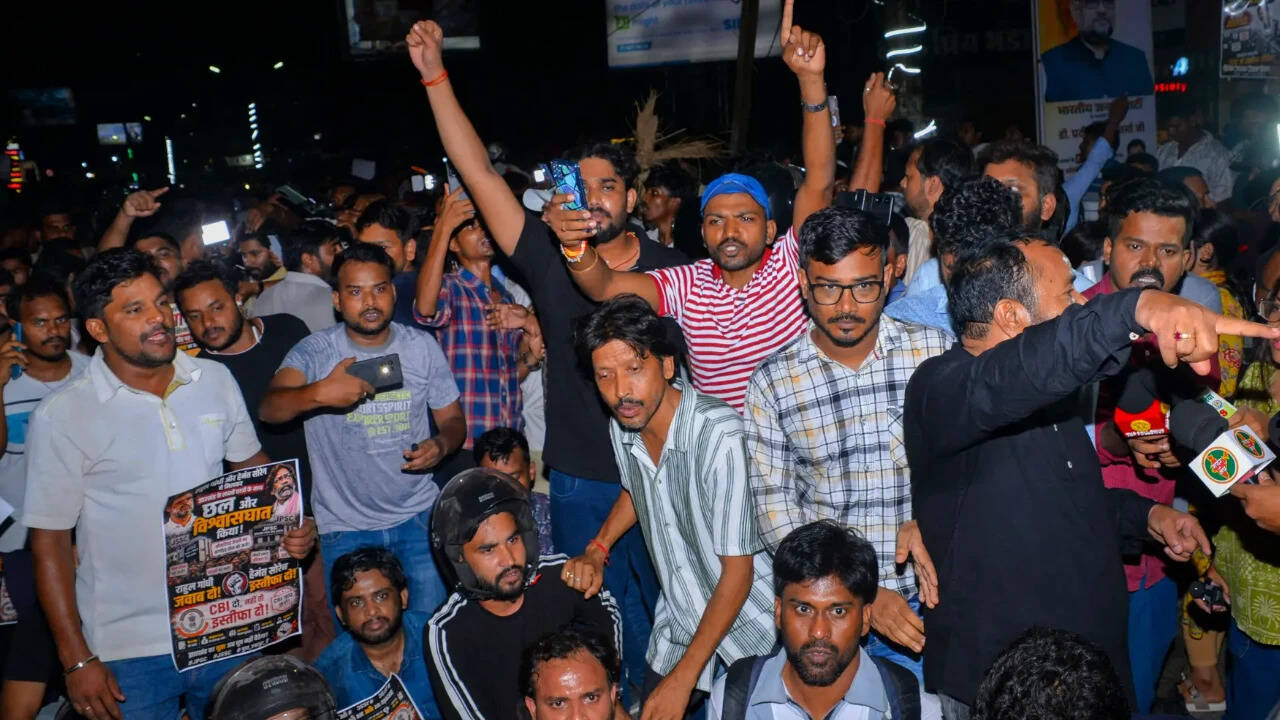
Among young representatives, 75% shared the same opinion. However, the amendment approved by the Climate Crisis Special Committee on August 13th is a "linear reduction" that will annually reduce the baseline by a certain amount. Meanwhile, on July 29th, at the headquarters, 27 youth and civil society organizations displayed a "climate invoice" larger than their own size, with messages such as "hundreds of billions in heatwave damage" and "5% of coastal areas submerged."
This is a protest against the practice of shifting the bill to the next generation. The "explosive" summer heatwaves and rising heat-related illnesses are the repercussions passed on to the current generation by past generations. We accept this expensive invoice and pass on an even more expensive one to future generations. Climate invoices are not just for Korea; Sweden's capital city of Stockholm saw 10,000 people gather on August 23rd to protest the government's retreat on climate policy.
In Sweden's recent elections, 37% of voters prioritized climate policy as the top issue. Climate policy retreat is happening worldwide. In the United States, 22 young people are suing the Trump administration for its expansion of fossil fuel policies, alleging a "youth health emergency." In Canada, youth and environmental groups are suing the Kenney government for reversing its climate plan.
In Chile last month, protests against environmental deregulation by the Castillo government took place nationwide. In Tunisia, amid record-breaking heat and a power outage, President Taieb resigned amid protests. The reason for the spread of resistance is that climate disasters are destroying daily life, and time is running out.
The World Meteorological Organization reported that global average temperatures in 2024 were 1.55°C higher than pre-industrial levels, exceeding the 1.5°C threshold for the first time. European Union's Copernicus Climate Change Service confirmed that the 3-year average from 2023 to 2025 surpassed 1.5°C for the first time. The World Meteorological Organization estimated in May that there is a 91% chance of at least one year exceeding 1.5°C and a 75% chance of 5-year averages exceeding 1.5°C.
According to the Intergovernmental Panel on Climate Change (IPCC) methodology used annually, if emissions continue at the current rate, global warming will be surpassed by 2030 and remain above 1.5°C in the long term. The Paris Agreement's protective line has been breached or is continuing to crumble. The range of reductions in the amended law will ultimately fall to the president and government.
The legislature's decision to set lower and upper limits and delegate specific figures to the president provides both an easy path and an early reduction path demanded by citizens. The climate invoice is not just for the government; it is a responsibility for our entire society. Decisions made by the legislature, the path chosen by the government within the range, and the watchdog role of the judiciary and media are all crucial.
We cannot remain indifferent to the burden of this invoice, which even eight out of ten citizens have decided to accept in the current climate. We must find a way to lighten the weight of the invoice passed on to the next generation.
Written by urgent.news from Hankyoreh's reporting — not their text. Machine-written — may contain errors; check the original before relying on it.