States are starting to ban the secrecy behind AI data centers — here's why you should care
AI data centers have quietly been built behind NDAs, shell companies and code names. Now states are pushing back and demanding more transparency.
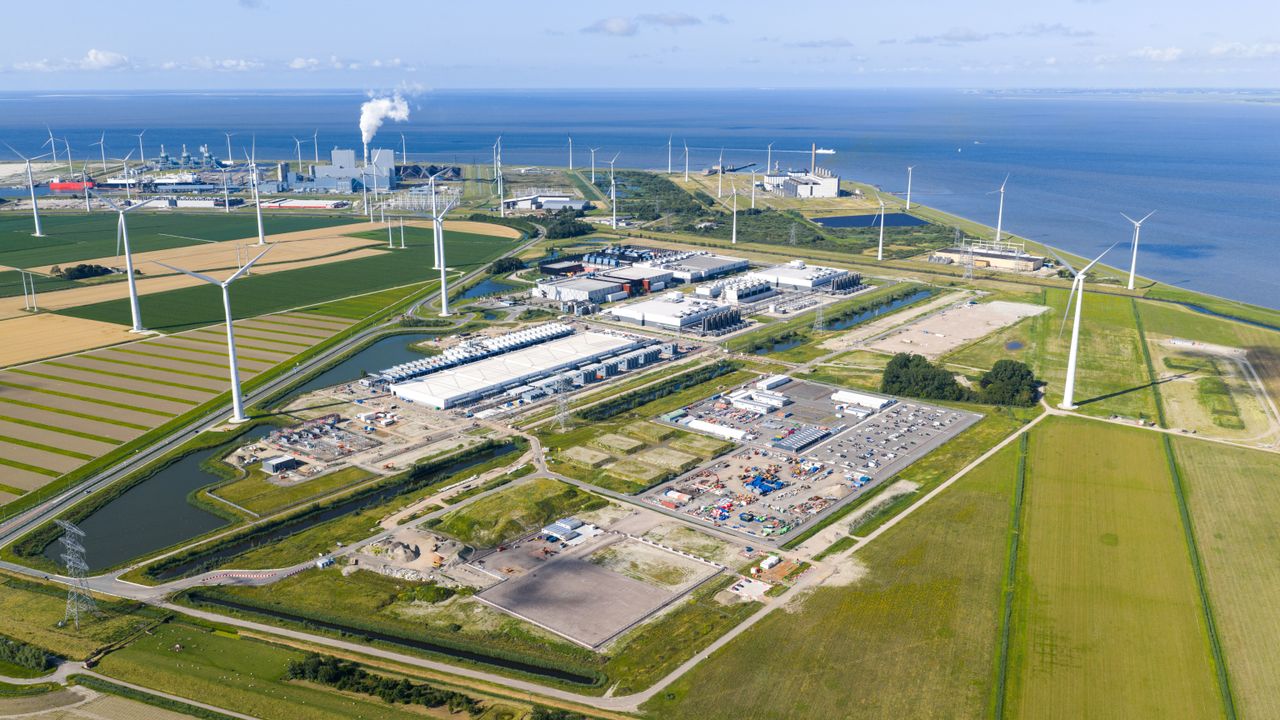
AI data centers, which require vast resources like land, electricity, and cooling systems, have become a growing concern for communities across the country. Residents have often been kept in the dark about these projects until the final stages, due to the use of nondisclosure agreements, shell companies, and code names. This secrecy has sparked backlash against AI data centers and led to new rules being implemented by some states.
Pennsylvania Governor Josh Shapiro signed an executive order on August 18, 2023, imposing new rules on AI data center development in the state. The order prevents state agencies from entering into nondisclosure agreements with data center developers, removes AI data centers from the state's fast-track permitting program, and requires more public disclosure and community involvement before projects move forward.
This change is significant, especially considering Pennsylvania's aggressive pursuit of AI infrastructure, with Amazon planning to invest $20 billion in data center campuses in the state.
The shift towards transparency is also being driven by some companies within the tech industry. Microsoft recently announced it would stop using nondisclosure agreements with local governments when developing data centers, emphasizing the importance of community knowledge about project plans and the necessity of transparency to build trust.
Despite the company's substantial commitment to expanding data centers required for AI training and operation, Microsoft recognizes that the traditional approach to building these facilities may no longer be viable.
For residents, staying informed about AI data centers may require digging deeper than just announcements from well-known tech companies. Data centers can appear in various documents, such as planning and zoning agendas, land sales, tax-abatement agreements, utility filings, or water and air permit applications. These projects may be listed under unfamiliar LLC names or vague titles like "Project Nova," making it essential for communities to scrutinize these documents and question local officials about the intentions behind NDAs, the long-term costs of infrastructure investments, and the potential delays, downsizing, or abandonment of projects.
With AI data centers becoming increasingly difficult to ignore, communities are demanding more involvement in the conversation earlier in the development process.
Written by urgent.news from Tom's Guide's reporting — not their text. Machine-written — may contain errors; check the original before relying on it.