South Africa Ended Apartheid but Not Economic Apartheid
Despite achieving political freedom, South Africa grapples with economic inequality, leaving millions without a path to prosperity.
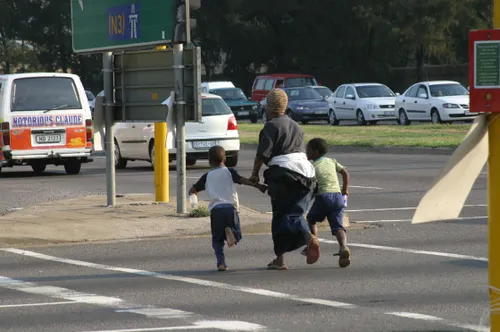
South Africa has achieved political freedom since the end of apartheid in 1994, but the nation still suffers from economic inequality. Black South Africans now hold political positions, such as President Cyril Ramaphosa, who leads the African National Congress. However, the distribution of wealth and economic opportunities remains heavily skewed towards the wealthiest 10% of the population.
Millions of South Africans still live below the poverty line, and unemployment, particularly among young people, is a persistent issue. The promise of Broad-Based Black Economic Empowerment has not translated into meaningful ownership for many Black South Africans, who continue to lack access to land, businesses, quality education, and capital.
Although South Africa has made strides in creating a constitutional democracy and expanding access to basic necessities like housing and electricity, significant challenges remain in transforming the economy to benefit all citizens. Land reform must be practical and inclusive, providing Black South Africans with secure titles, financing, and resources to make the land productive.
Education reform is crucial, as many poor children attend schools that fail to provide essential skills. Unemployment can be addressed by simplifying regulations and providing affordable credit for small enterprises, while established corporations should invest in employee ownership and support neglected communities. Ultimately, South Africa must move beyond symbolic representation and create an economic system where race does not determine one's opportunities.
The nation stands at a crucial juncture, needing measurable results in ownership, entrepreneurship, education, infrastructure, and accountability to ensure true economic citizenship for all its people.
Written by urgent.news from IOL's reporting — not their text. Machine-written — may contain errors; check the original before relying on it.