Smart glasses highlight gaps in privacy laws
As wearable tech becomes more advanced, banning it will become increasingly difficult. Instead, laws should be framed with an understanding of how AI is changing the landscape
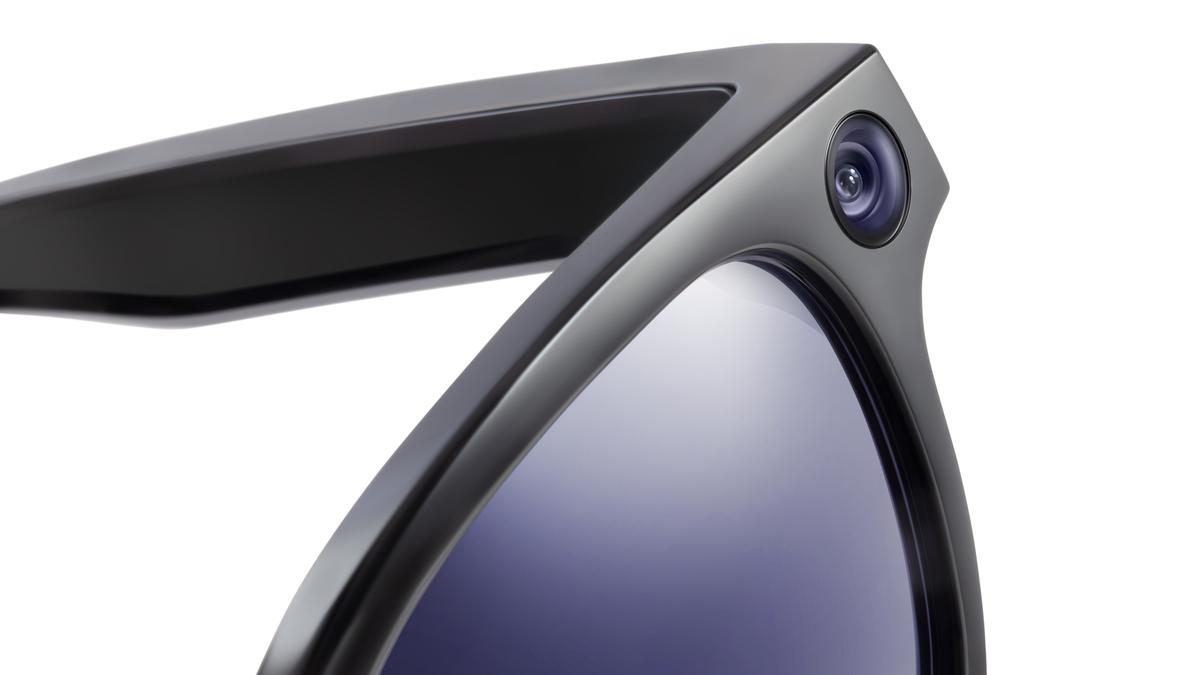
Kylie Jenner, once a vocal advocate for privacy, has endorsed Meta's AI-powered "smart glasses" that enable continuous surveillance. These discreet devices, costing around ₹25,000 in India, contain speakers, microphones, and cameras that can capture calls, messages, notifications, music, photos, and videos without users' knowledge.
Meta claims the glasses are designed for privacy, but the limited control lies with the wearer, not the recorded subjects. Swedish investigations revealed that Meta's contracted workers could view sensitive content, including bathroom activities, raising concerns about privacy in public spaces. The National Crime Records Bureau reported a surge in women-centric cybercrimes in 2023, highlighting the potential risks of non-consensual recording.
India's Digital Personal Data Protection Act, 2023, fails to adequately protect individuals from such surveillance, as it does not regulate data collection in public spaces and excludes information deemed publicly available. As wearable technology advances, banning such devices proves impractical, necessitating laws that account for AI's impact and ensure citizens' protection.
Written by urgent.news from The Hindu - Sci-Tech's reporting — not their text. Machine-written — may contain errors; check the original before relying on it.