Singapur ofrece a los padres 55.000 dólares para fomentar la natalidad
La ciudad-estado va camino de convertirse en una sociedad "superenvejecida" Leer
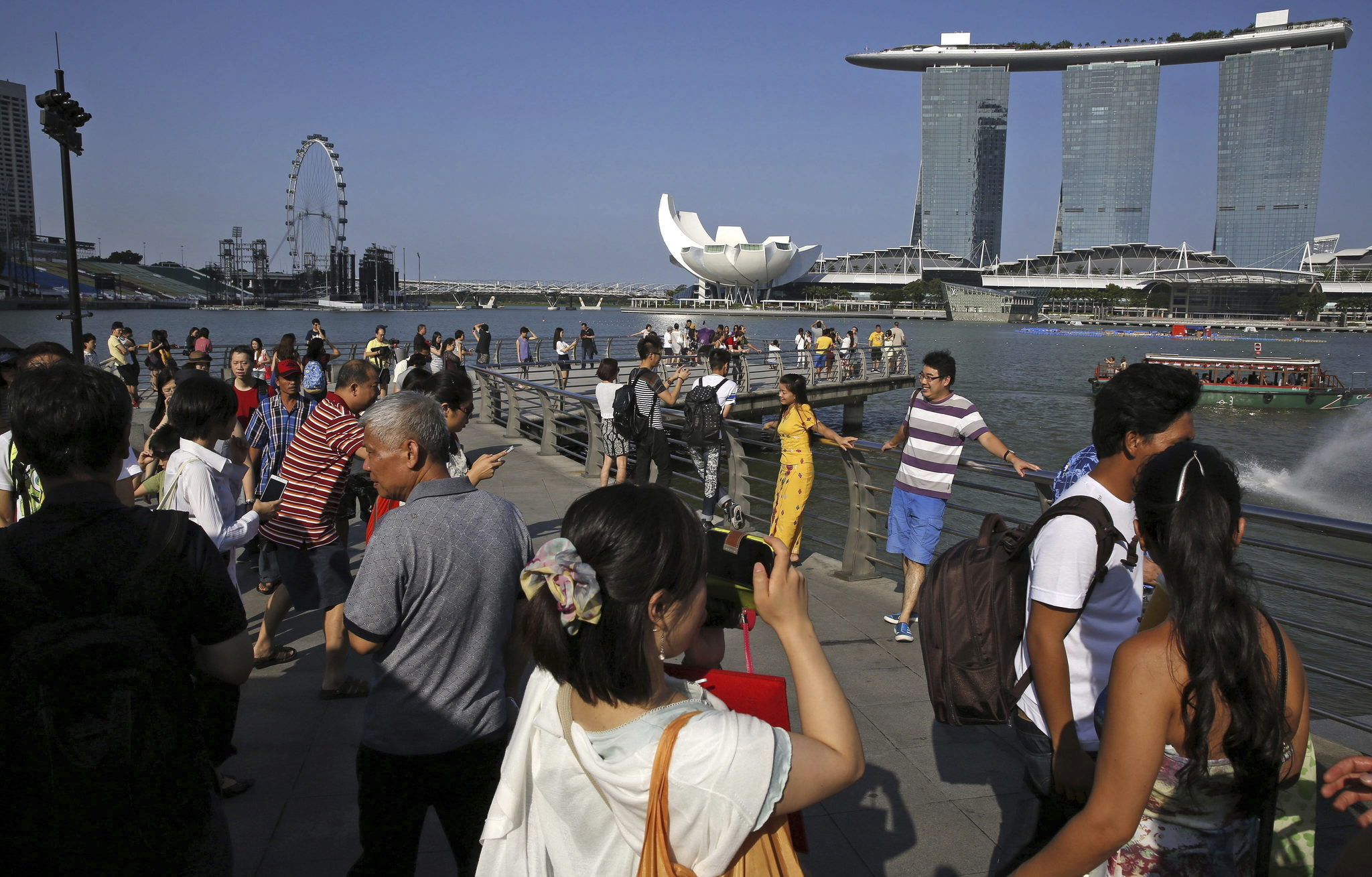
Singapore is set to become a rapidly aging society as the government unveils a package of measures to encourage families to have more children, offering parents up to $55,000 per child. Prime Minister Lawrence Wong announced the reforms to child benefits and parental leave during his annual National Day speech on Sunday, stating the government aims to make life easier for Singaporeans wishing to have children and start a family.
Singapore, with a population of just over 6 million, recorded a historically low fertility rate of 0.87 children per woman in the previous year, below the projected 0.97 for 2024 and close to the lowest global rate of 0.8. Demographers believe a replacement rate of 2.1 is needed to maintain a stable population without immigration.
The low fertility rate, combined with advances in medical care extending life expectancy, has propelled Singapore toward becoming a "super-aged" society, defined by the UN as a country where more than 21% of the population is 65 or older. By 2030, one in four Singaporeans is expected to reach this threshold. The government will offer up to $70,000 in direct assistance per child until age 17, including a $10,000 Singapore dollar gift at birth and another $10,000 for education.
Wong also announced an expansion of parental leave, particularly for families with multiple children, and greater subsidies for first-time homebuyers. However, he warned of limitations in incentivizing families to have more children, noting that many young people are delaying parenthood due to financial concerns or choosing not to have children at all.
While the government will continue to support families, Wong stressed the need for realism, as reliance solely on births is unlikely to reverse the population decline. The country will age rapidly, with fewer young people to support an increasing number of elderly citizens. Wong affirmed that Singapore will maintain its policy of complementing internal demographic growth with controlled immigration, though this strategy has faced some resistance from citizens who associate higher immigration with rising property prices and competition for jobs.
The number of permanent residents and citizens granted permanent residence has steadily increased since the pandemic, with 35,264 and 22,766 approvals in 2024, respectively.
Written by urgent.news from Expansion ES's reporting — not their text. Machine-written — may contain errors; check the original before relying on it.