RGB LED vs Tandem OLED TVs: We’ve tested both and here are the differences
If you're shopping for a premium 4K TV, you might have to choose between RGB LED, Mini-LED, and Tandem OLED. Here's how to choose.
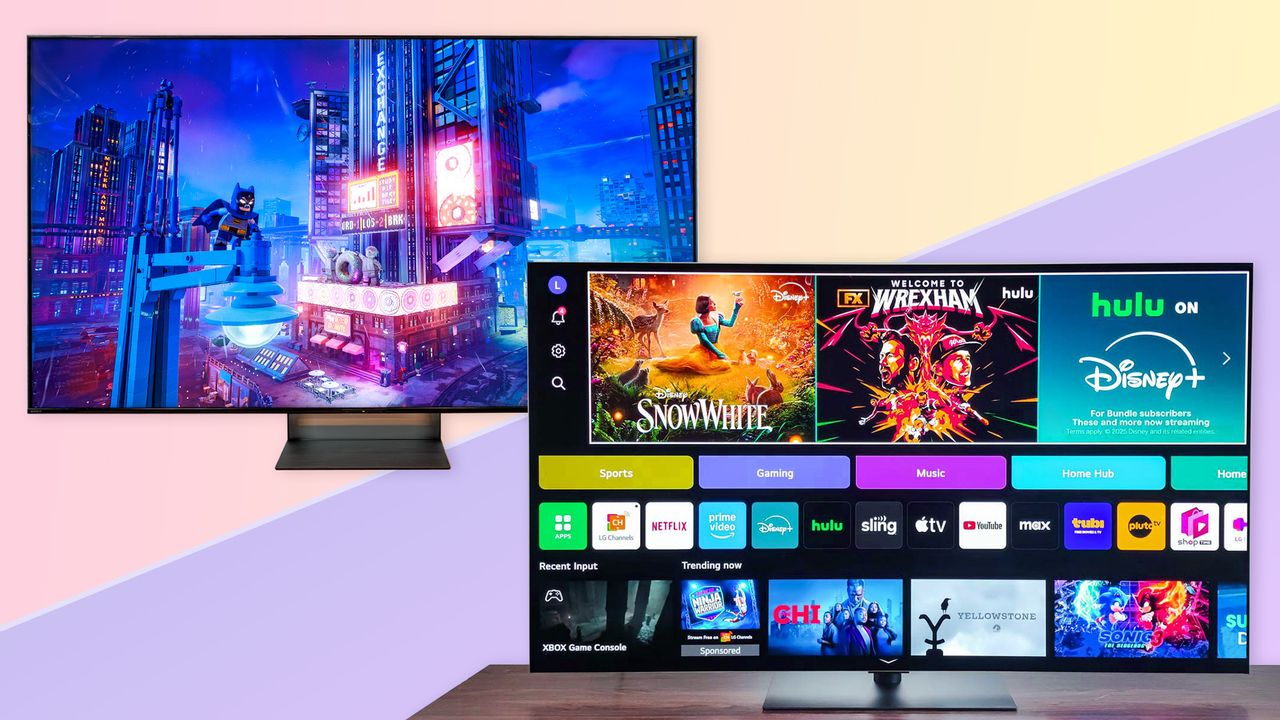
RGB LED and Tandem OLED are two premium display technologies that have recently emerged in the world of televisions. RGB LED TVs utilize an array of tiny LEDs arranged in dimming zones, allowing for real-time adjustments to enhance contrast. Color generation in RGB LED TVs takes place through the use of red, green, and blue colored LEDs, resulting in brighter and purer colors compared to traditional Mini-LED TVs.
However, RGB LED TVs may suffer from color crosstalk, where light-colored objects nearby can take on the shade of the surrounding colors. Despite this, RGB LED TVs are generally brighter and offer superior color performance, though they still face issues such as haloing, light bloom, and color crosstalk. As for Tandem OLED, it is an advanced version of OLED displays, boasting improved brightness and color volume compared to standard OLED sets.
Tandem OLED TVs typically employ an additional layer within their structure, allowing for better performance and longevity. Tandem OLED displays can achieve higher brightness and color volume, although their color purity is not as vivid as that of top-tier QD-OLED TVs. In conclusion, RGB LED TVs excel in brightness and color, providing premium features and high-end performance, but they still suffer from certain drawbacks like color crosstalk.
Tandem OLED displays, on the other hand, offer superior brightness and color volume, but their color is not quite as vivid as that of QD-OLED TVs.
Written by urgent.news from Tom's Guide's reporting — not their text. Machine-written — may contain errors; check the original before relying on it.
This story
This is one outlet's version. Read the fullest account.