Pretending battery adoption is not taking place is a fallacy that may cost Pakistan hundreds of billions in the future
https://www.dawn.com/news/2024924
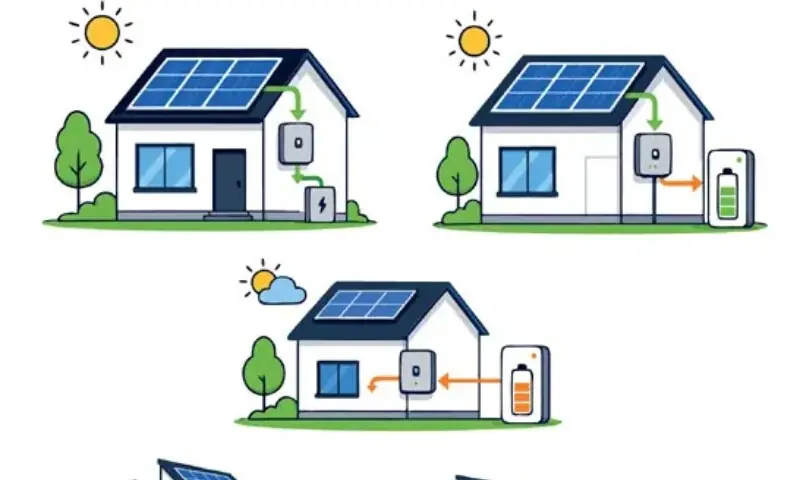
Pakistan's battery imports surged from 1.43 gigawatt-hours in 2024 to 4.59 gigawatt-hours in 2025, costing $36 million. The surge in solar energy usage has sparked an early adoption of batteries. Global battery prices have been steadily dropping, from $137 per kWh in 2021 to $105 per kWh in 2026. As demand for batteries rises, prices are expected to follow suit, creating a self-sustaining cycle.
Households are now purchasing batteries due to excess solar energy, which can be utilized for power during the evening. This leads to a Virtual Power Plant (VPP), where thousands of household and small-commercial batteries can operate as a single entity. Currently, Pakistan's peak power demand occurs between 7pm and 11pm every night, regardless of the month.
During this period, the cost of the last unit of electricity dispatched ranges from Rs10-40 per kWh, averaging around Rs18 per kWh. This is twice to three times the average fuel cost, as the grid is primarily used for four hours, with the rest being a standing reserve. Considering past experiences, it is vital to factor in future battery and solar installations when planning additional capacity.
Pretending battery adoption isn't happening could lead to billions in losses for the economy. A well-coordinated VPP can prevent the grid from purchasing expensive power during peak hours and can potentially save Pakistan from relying on expensive imported fuels. However, this mechanism has its limits. Once installed capacity reaches around five to six gigawatts, the price-suppression value of VPP capacity plateaus.
Pakistan may have already crossed this threshold with more than 8GW of battery capacity. While this could further discount electricity prices and enhance energy security, it will only be effective if there's a fair buyback framework for households' exported flexibility. The cautionary tale of Pakistan's net-metering solar program suggests that political factors, not economic ones, may drive export prices.
Therefore, establishing a VPP buyback framework is crucial to attract more battery capacity and reduce reliance on imported fuels and surcharges.
Written by urgent.news from Dawn Business's reporting — not their text. Machine-written — may contain errors; check the original before relying on it.