People’s Plan 2.0: an ambitious dream
A campaign which decentralised governance in Keralam is planning a comeback
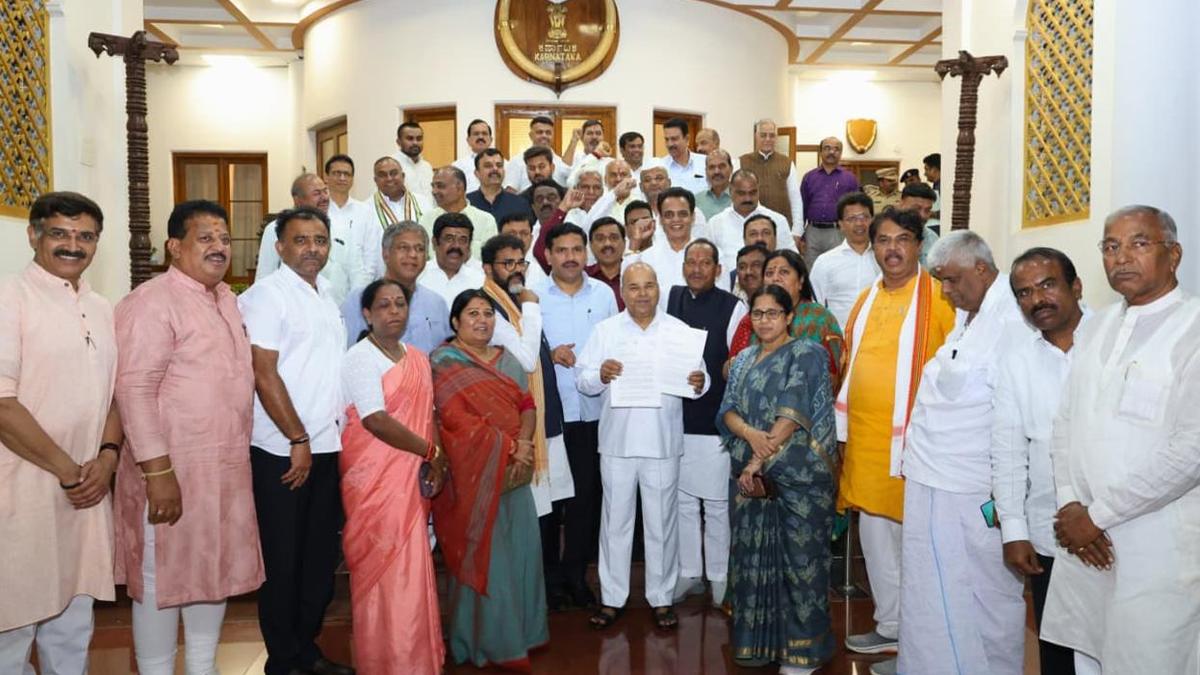
On August 16, an assembly of prominent figures associated with the People's Plan Campaign (PPC) convened in Thiruvananthapuram to commemorate the 30th anniversary of their groundbreaking initiative. The PPC, a non-governmental effort, had brought together elected officials, former ministers, bureaucrats, and numerous activists who had played pivotal roles in shaping the campaign over the years. Beyond the celebratory atmosphere, the gathering aimed to devise a new blueprint for the PPC, dubbed 'People's Plan Campaign 2.0.'
T.M. Thomas Isaac, a veteran of the Communist Party of India (Marxist) and former Finance Minister, took the stage to outline the proposed vision. He highlighted initiatives such as student internships with local bodies and a tech-driven campaign coordinated through an online platform. K.M. Shaji, Minister for local self-government in the ruling Congress-led United Democratic Front (UDF) government, echoed the sentiment, acknowledging the PPC's role in deepening democratic processes in Kerala.
The PPC's origins can be traced back to Mahatma Gandhi's 'Gram Swaraj' concept and the 73rd and 74th Constitutional Amendments that empowered local governance. The State of Kerala formally launched the campaign on August 17, 1996, initially as a grassroots movement. Subsequent years saw the organization of Grama sabhas and urban ward assemblies, amplifying participation in development planning at the local level.
The Left Democratic Front (LDF) government further bolstered the PPC by devolving 35%-40% of the Plan outlay to local governments.
While the PPC's legacy is marked by success, including the highly acclaimed 'Kudumbashree' scheme, its future faces challenges. Waning public enthusiasm and low participation, particularly among urban residents, loom as significant obstacles. With an anticipated 96.43% of Kerala's population living in urban areas by 2036, attracting younger generations to the PPC's objectives will be crucial.
Additionally, the campaign must grapple with centralization trends in government, evolving aspirations of the populace, and mounting fiscal pressures on the state.
Written by urgent.news from The Hindu's reporting — not their text. Machine-written — may contain errors; check the original before relying on it.