Pensioners, domestic and Eurobond holders should get credit for debt sustainability, not GoldBod – Prof Bopkin
Economist Professor Godfred Bopkin says Eurobond holders, domestic bondholders and pensioners who endured losses under Ghana’s debt restructuring were instrumental in restoring the country’s debt sustainability. He says their sacrifices, rather than GoldBod, provided the financial “breathing space” that has enabled Ghana to bring down its debt-to-GDP ratio and debt-servicing costs.
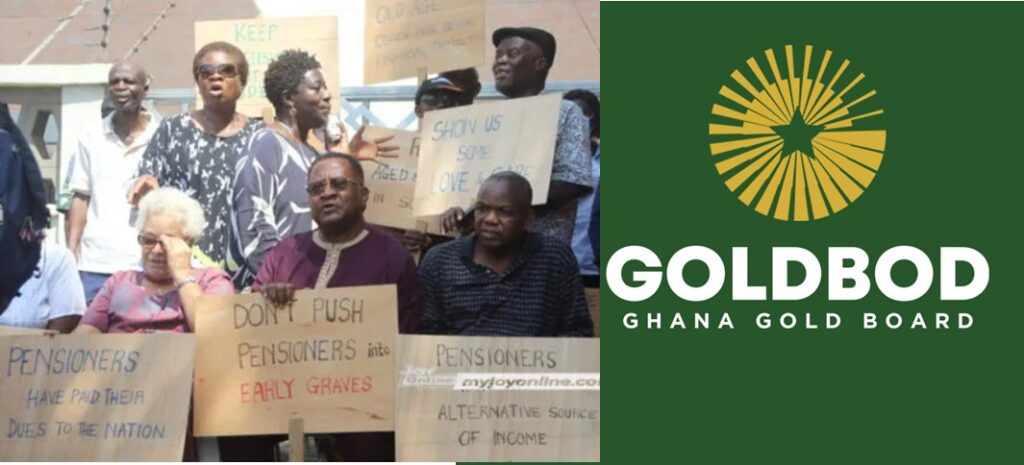
Economist Professor Godfred Bopkin has argued that pensioners, domestic bondholders, and Eurobond holders deserve credit for Ghana's improved debt sustainability, rather than GoldBod. In an interview, Bopkin highlighted the sacrifices made by these groups during Ghana's debt restructuring, emphasizing their role in restoring the country's debt sustainability.
He pointed out that the unpopular domestic debt exchange was crucial, stating that those who provided Ghana with "breathing space" to address its financial challenges were not GoldBod. Bopkin stressed that Ghana's improved fiscal position should be viewed in the context of the sacrifices made by creditors who supported the country during its most vulnerable times.
Among those who bore the impact of the domestic debt restructuring were pensioners, he noted, who deserved recognition for their contribution to Ghana's economic recovery. Bopkin pointed out that the original IMF-supported program faced a $13.5 billion financing gap, even as GoldBod's domestic gold purchase operations remained modest.
He urged Ghana to recognize the contributions of domestic bondholders, Eurobond holders, pensioners, and external bilateral creditors in creating the fiscal space the country now enjoys. While welcoming the significant reduction in the debt-to-GDP ratio and debt-servicing costs, Bopkin cautioned against squandering these gains. He warned that if the country fails to use the fiscal space prudently, it could repeat a similar situation seen after previous debt relief initiatives, when Ghana's debt-to-GDP ratio fell below 30% and was eventually dissipated, forcing the country to return to the IMF in 2009.
Written by urgent.news from MyJoyOnline Ghana's reporting — not their text. Machine-written — may contain errors; check the original before relying on it.
This story
This is one outlet's version. Read the fullest account.