Pakistan’s housing challenge goes beyond a shortage of homes
Pakistan’s housing challenge is commonly presented as a shortage of homes, but the issue becomes clearer when viewed against the country’s population. With nearly 259 million people, Pakistan requires approximately 41.1 million housing units, based on the Pakistan Bureau of Statistics (PBS) 2023 Census average household size of 6.3 persons. However, the Seventh Digital Population and Housing…
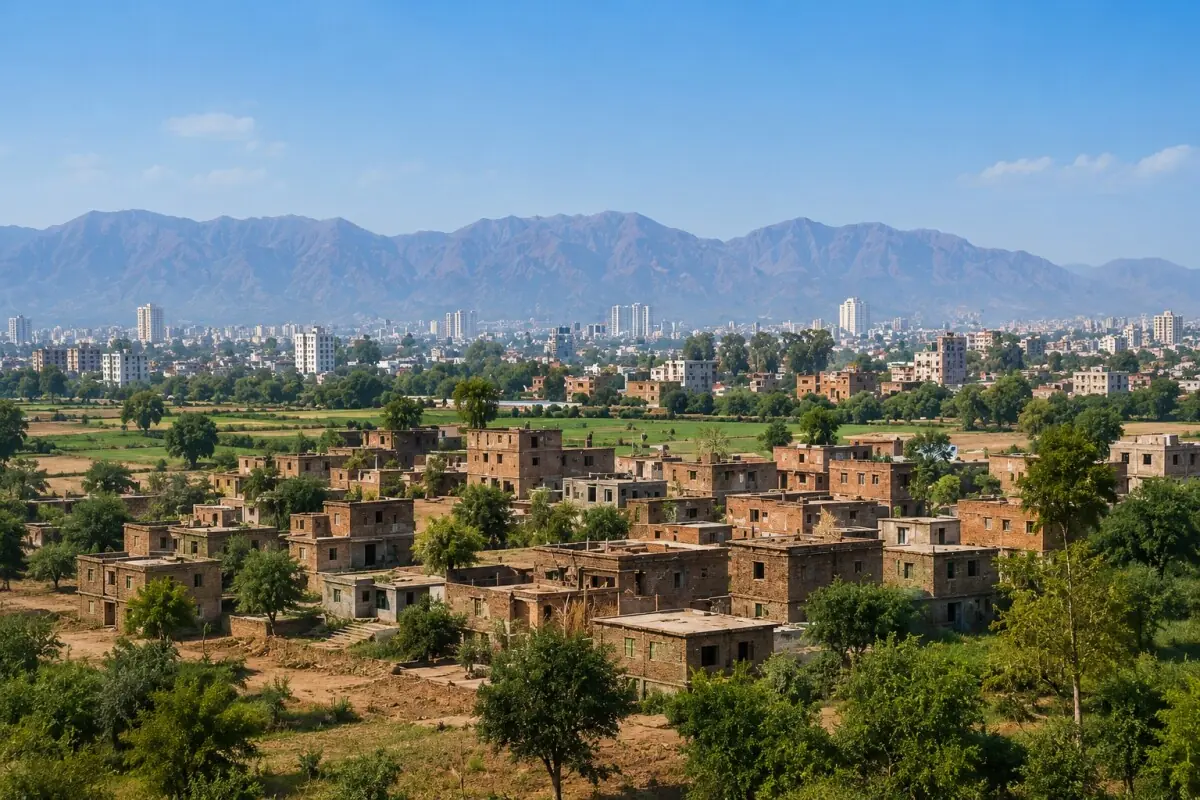
Pakistan's housing crisis extends beyond the scarcity of physical dwellings, as highlighted by the country's large population. With an estimated 41.1 million housing units needed, the Pakistan Bureau of Statistics (PBS) 2023 Census reveals only 38.34 million existing units, resulting in a deficit of about 2.77 million homes. However, this figure overlooks the quality of the housing stock.
Of the current housing stock, 32.5% are deemed substandard, 'kacha' or 'semi-pakka' constructions. Even after accounting for these, the country's stock of 'durable' housing stands at approximately 25.9 million units, leaving a potential shortfall of 15.23 million acceptable homes. Instead of translating into widespread homelessness, this gap exists through overcrowding, shared housing, self-construction, and informal settlements, demonstrating that the challenge encompasses more than just the quantity of homes.
Pakistan's demographic structure, with over 60% of the population under 30, indicates a substantial influx of potential first-time homebuyers. Urbanization, population growth, and ongoing household formation are anticipated to sustain housing demand, yet formal mortgage finance remains underdeveloped. In comparison to other countries, Pakistan's mortgage finance constitutes a mere 0.25-0.30% of GDP, contrasting starkly with figures of 5.1%, 10-11%, 12.2% and 30-40% in the Philippines, India, Indonesia, and Malaysia respectively.
This disparity suggests that a significant portion of housing demand remains unmet through formal channels. Affordability is determined by more than just interest rates; it also depends on household incomes, financing tenure, property prices, and repayment capacity. Rising construction costs for materials and labor also impact residential property values.
Government initiatives, such as the recently launched Wazir-e-Azam Apna Ghar Programme offering up to Rs10 million in housing finance for a 20-year period with a fixed rate of 5%, indicate some progress. However, the overall housing finance market is still lagging behind the country's escalating demand, necessitating concerted efforts among various stakeholders to improve affordability, borrower awareness, and documentation for a more robust housing finance ecosystem in Pakistan.
Written by urgent.news from Business Recorder's reporting — not their text. Machine-written — may contain errors; check the original before relying on it.