Norway will drill in Arctic regardless of EU's position, says energy minister
Norway will continue developing its oil and gas resources in the Barents Sea regardless of the European Union's support for a moratorium on Arctic hydrocarbon supplies, and no longer sees itself as Europe's "green battery", Energy Minister Terje Aasland told Reuters.
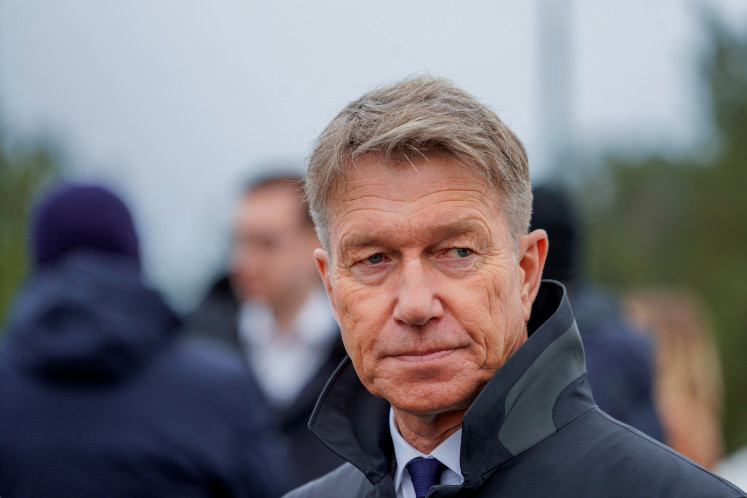
Norway will proceed with oil and gas exploration in the Barents Sea, regardless of the European Union's stance on a moratorium for Arctic hydrocarbon resources, according to Energy Minister Terje Aasland. Following Russia's 2022 invasion of Ukraine, Norway has become Europe's leading natural gas supplier, fulfilling roughly 30% of both the EU and British gas requirements. The country's gas production was near a record high last year, while oil output reached its peak since 2009.
However, official projections indicate a sharp decline in production after 2030, unless fresh resources are identified and developed. In light of the current geopolitical and security climate, Aasland asserts that continuing activity in the Barents Sea benefits both Norwegian and European interests in an interview ahead of ONS, Norway's biannual energy conference. The EU supports a ban on new Arctic drilling due to environmental concerns but is contemplating policy revisions in response to energy security worries.
Aasland maintains that Norway aims to sustain petroleum production and exports at near-current levels until at least 2035, with Barents Sea production playing a crucial role. Norway argues that the Barents Sea sections open for petroleum activity are ice-free, similar to the North Sea, reducing environmental risks such as oil spills.
The minister believes Norway's arguments are gaining traction in Brussels but emphasizes that Norway has the sovereign right to develop its Barents Sea resources, regardless of the EU's opposition.
While Aasland believes Arctic oil would be sold on global markets, gas could be exported worldwide as liquefied natural gas from Equinor's Melkoya LNG plant near Hammerfest. Critics contend that new Arctic projects will take years to become operational and may not significantly address Europe's short-term energy needs. Despite these concerns, Norway's renewable energy surplus, primarily from hydroelectric plants, is a significant contributor to the region's power supply, exported to Europe via cross-border cables.
Written by urgent.news from Investing.com's reporting — not their text. Machine-written — may contain errors; check the original before relying on it.
This story
This is one outlet's version. Read the fullest account.