New research helps transform landfill into thriving green space
Covering landfill with soil and plants is as effective as traditional methods of capping, while bringing added aesthetic, economic and environmental benefits.
New research aims to encourage landfill owners to use phytocapping technology, turning waste sites into thriving green spaces. This method involves covering landfills with soil and plants, an innovative approach that may soon become the industry standard. Researchers conducted a national assessment and three-year study to update guidelines, making phytocapping more accessible to the industry.
Traditional landfill covers typically use clay or plastic, but phytocapping offers a more environmentally friendly and cost-effective alternative. Bundaberg Regional Council, in partnership with Central Queensland University, has been testing phytocapping at a local landfill since 2019 and is now planning to expand the project to additional sites.
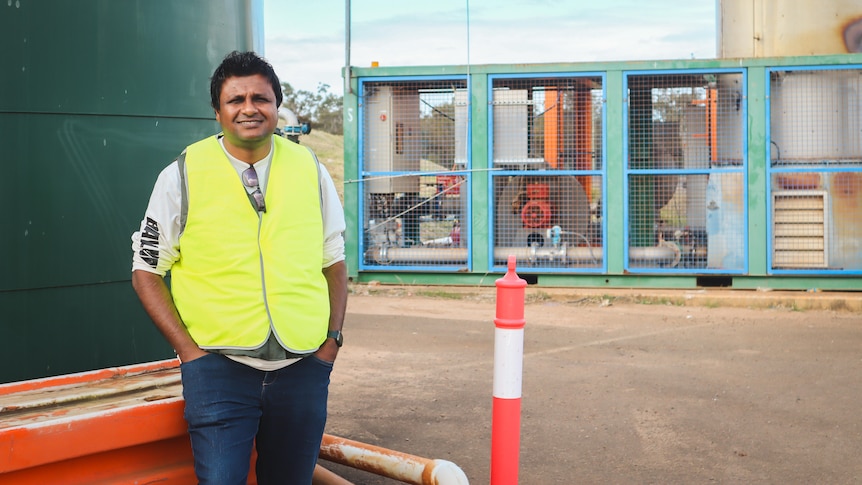
PhD candidate Nadun Bulathge contributed valuable data, gathering seven years of information and analyzing a million data points through a specialized lysimeter and moisture sensors. His research, still in progress, suggests that phytocapping performs better than expected, even in challenging conditions. Phytocapping works by trapping water in the soil, which trees then release back into the atmosphere through transpiration, reducing the need for expensive capping materials.
While the technology has been in use since 2003, its adoption has been slow due to a lack of knowledge and misconceptions among regulators, designers, and site owners. A new three-year program, funded by the Australian Research Council, aims to address these gaps by updating guidance and exploring the technology's full potential, including its impact on biodiversity and hydrology.
Written by urgent.news from ABC News AU's reporting — not their text. Machine-written — may contain errors; check the original before relying on it.