'NAZA,' an Israeli documentary about Israel's actions in Gaza, to premiere at Venice Film Festival
Directed by Yuval Abraham and Rachel Szor, 'NAZA,' which derives its name from the Hebrew military acronym for collateral damage, is billed as showing 'in detail the systems behind Israel's calculated mass killing of Palestinian civilians in Gaza'
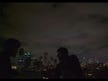
The documentary "NAZA", directed by Israeli filmmakers Yuval Abraham and Rachel Szor, will premiere at the Venice Film Festival. The film examines the killing of Palestinian civilians in Gaza and is based on investigations published between 2023 and 2025 by Israeli-Palestinian publication +972 Magazine, Hebrew-language outlet Local Call, and The Guardian.
According to the festival synopsis, "NAZA" was shot at night on the rooftops of Tel Aviv and reveals in detail the systems behind Israel's calculated mass killing of Palestinian civilians in Gaza.
The title "NAZA" is a military acronym used by Israeli intelligence to indicate the number of civilians expected to be killed in a planned air strike. The film is produced by The Guardian and the filmmakers behind "The Zone of Interest". It is the only documentary competing for the Golden Lion award at the festival, which runs from September 2 to 12.
According to Palestinian health authorities, more than 73,000 people were killed in Gaza after Israel launched its military campaign against the coastal enclave in October 2023, following Hamas's attack on Israel, which killed about 1,200 people, according to Israeli tallies. Israel says its offensive was aimed against Hamas and that it tried to avoid killing civilians, but that the group hid among the civilian population.
Brief written by urgent.news from Haaretz, Associated Press, Business Recorder, SABC News, The National UAE — 5 reports on this story. Machine-written — may contain errors; check the original before relying on it.