NASA-Supported Study Tracks Carbon Cost of Coastal Erosion
From Texas to Maine, coastal wetlands and marshes are releasing more than 1.45 billion pounds (660,000 metric tons) of carbon into the ocean each year, according to new research supported by NASA. Coastal marshes, like forests and tundra, store large amounts of carbon in their plants and soil, but changes caused by storms, rising seas […] The post NASA-Supported Study Tracks Carbon Cost of…
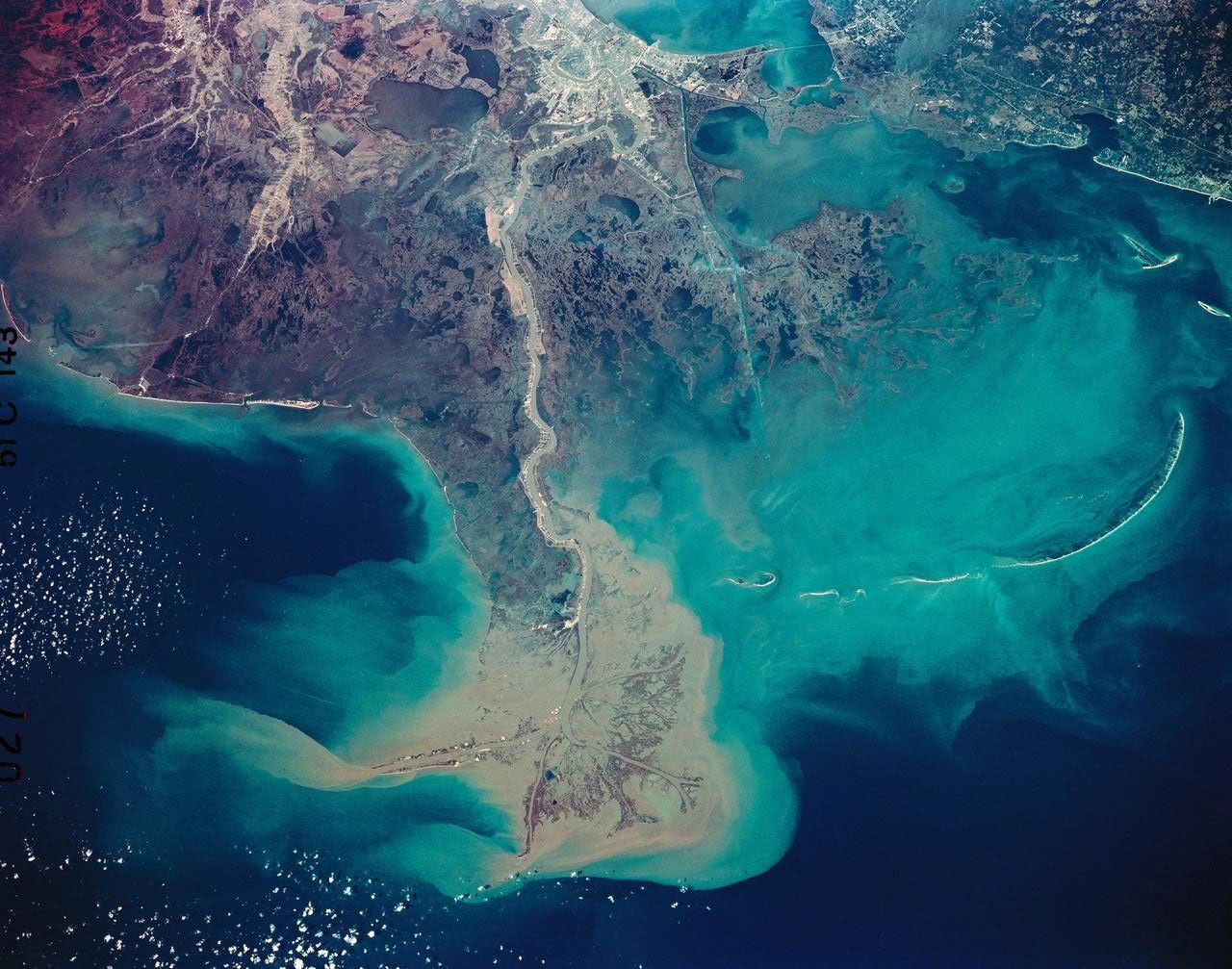
A NASA-supported study has revealed that coastal wetlands and marshes along the Gulf Coast and Eastern seaboard are releasing over 1.45 billion pounds (660,000 metric tons) of carbon into the ocean each year. These carbon emissions occur as coastal wetlands and marshes, which are crucial for carbon storage, are impacted by factors such as storms, rising sea levels, and human development.
Researchers analyzed satellite imagery and elevation data to track marsh loss from 1985 to 2022, estimating a net carbon loss of around 800 million pounds (380,000 metric tons) annually. While some of this released carbon is offset by new marsh growth, the overall loss remains significant. Coastal erosion varied across regions and time periods, with notable increases following hurricanes Katrina in 2005 and Ida in 2021, which uprooted and submerged vast areas of coastal vegetation.
The Mississippi River Delta, supporting the nation's largest marshland by area, experienced the most substantial carbon movement compared to the entire Eastern seaboard. Most of the carbon displaced by marsh erosion enters the ocean rather than being emitted directly into the atmosphere. Scientists are developing new models at NASA's Goddard Institute for Space Studies to better simulate this air-land-ocean carbon exchange process.
Enhanced understanding of carbon movement from land to sea can help construct a more accurate picture of Earth's carbon cycle.
Written by urgent.news from NASA Science's reporting — not their text. Machine-written — may contain errors; check the original before relying on it.



