n8n and Amazon Bedrock AgentCore Bring Production Agent Harnesses Into the Editor
n8n is extending its role beyond a visual workflow builder with an integration path for running production AI agents through the Amazon Bedrock AgentCore harness. The practical shift is that an agent can be composed and operated in the n8n editor with capabilities such as memory, tools and code execution, while AgentCore provides the underlying harness services needed for more persistent,…
n8n is adding support for producing AI agents in production environments using Amazon Bedrock AgentCore harness. This allows agents to be built and run within the n8n editor, offering capabilities such as memory, tools, and code execution. AWS provides detailed guidance on how to run production AI agents in n8n using the AgentCore harness.
With AgentCore, agents can persist per-user memory across sessions, execute sandboxed code, utilize tools for defined actions, and be deployed in a private VPC. This enables agents to maintain state over multi-turn tasks, which is essential for production-level AI agents. Traditional automation workflows are effective for predictable sequences, but agents are better suited for tasks that require context retention and multi-step execution.
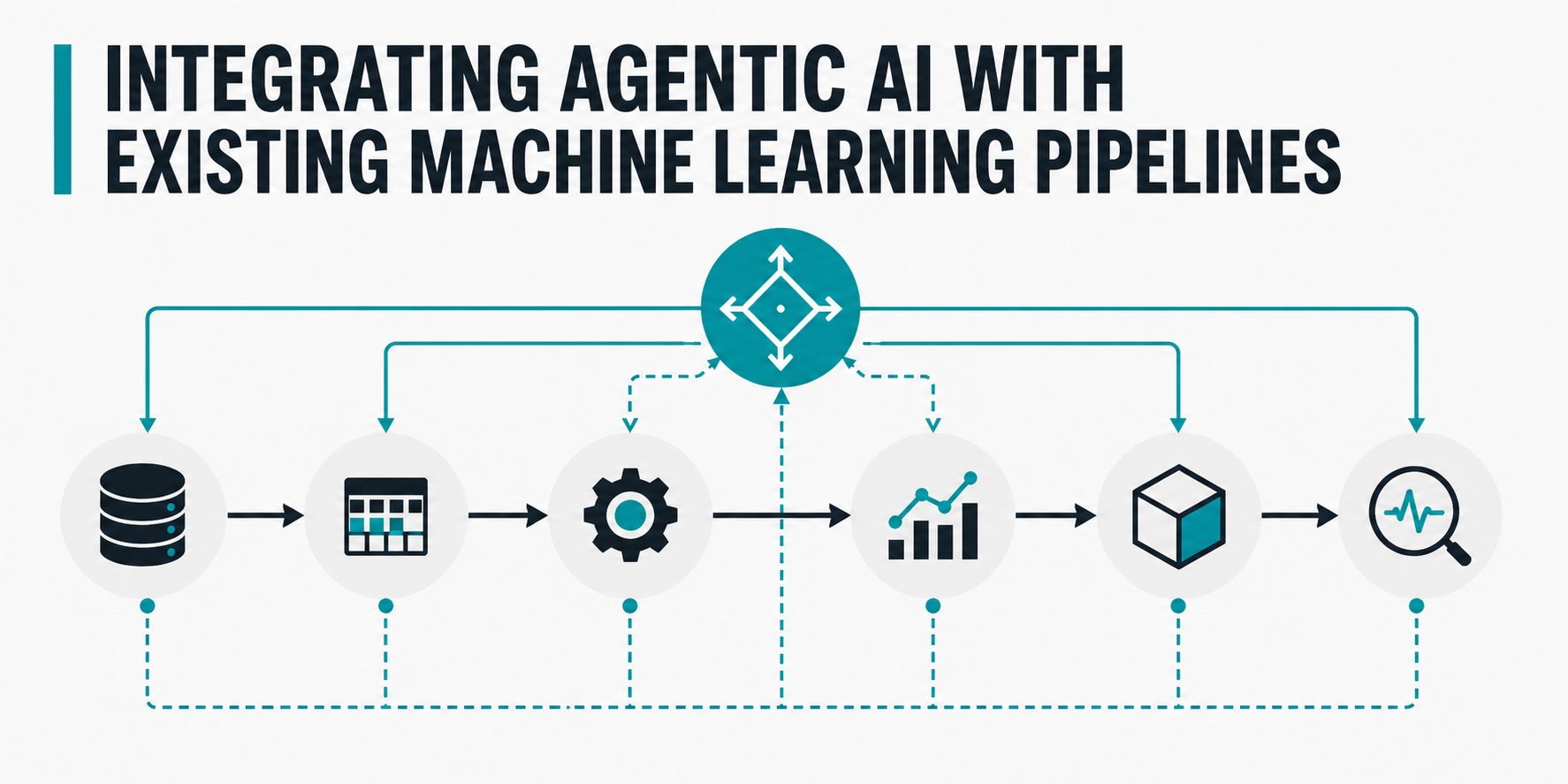
The integration between n8n and AgentCore provides a visual environment for configuring agents, with Amazon Bedrock supplying the necessary production services. This allows teams to design agents composed of specific models, skills, memory, and tools, which can be reused across different workflows. While the integration focuses on Amazon Bedrock AgentCore, the broader direction of n8n includes concepts such as agent management, models, skills, memory, and AI Assistant components, enabling a more structured approach to AI agent development.
However, the use of agents necessitates careful governance and security considerations. Memory and tool access should be managed deliberately to avoid unintended information retention or unauthorized access. Enterprises should review network boundaries and code execution concerns, potentially using the private VPC option for added security.
Despite the simplification provided by the integration, responsible deployment still requires defining clear use cases, testing tool behavior, and establishing governance policies around data handling and access controls.
Written by urgent.news from Dev.to's reporting — not their text. Machine-written — may contain errors; check the original before relying on it.