Meta’s creepy smart glasses are part of a much bigger plan
Meta’s smart glasses just keep weirding people out. Renamed “pervert glasses” by some critics, the Ray-Ban smart glasses, made in partnership with EssilorLuxottica, have given rise to “creepy” behavior as users photograph and record people without their permission, then share those images and videos on social media and across the broader internet. The backlash points to a rapidly growing set of…
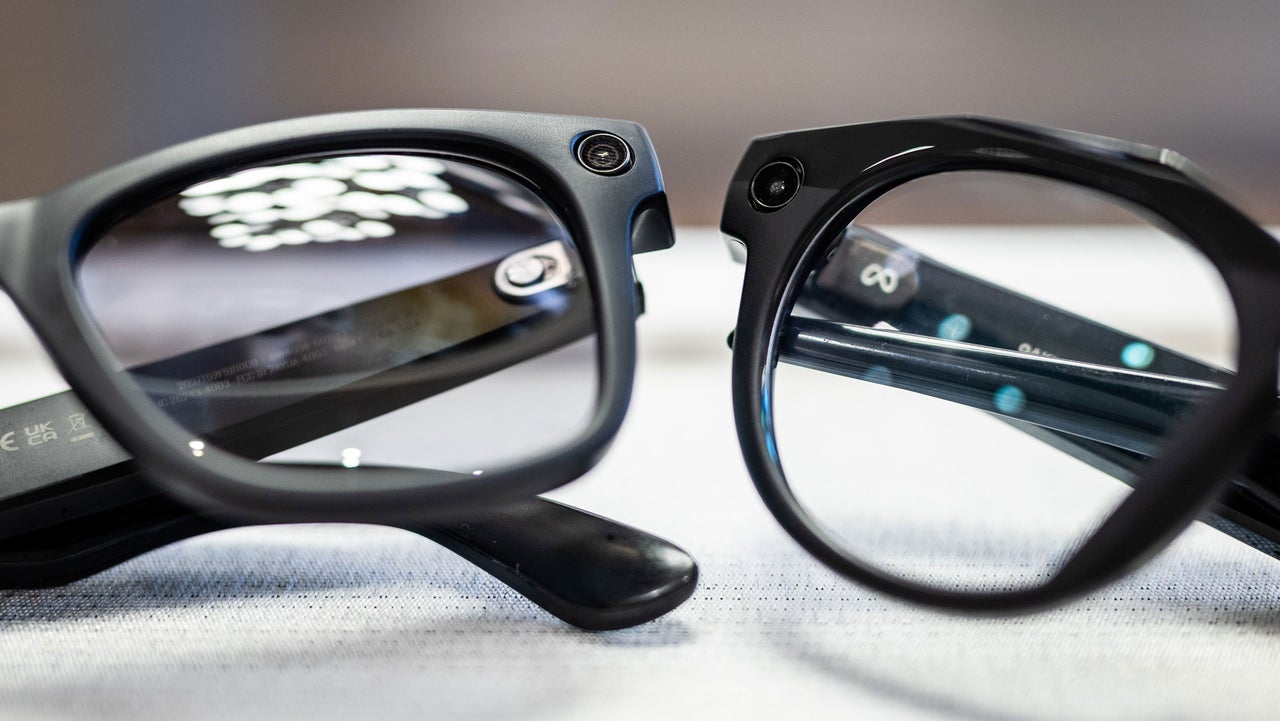
Meta's smart glasses, known as Ray-Ban Stories, have sparked controversy due to their potential for surreptitious photography and recording of individuals without consent. Critics have dubbed the glasses "pervert glasses" in response to this issue. The backlash highlights serious concerns surrounding privacy, security, and ethical implications.
Amidst this, Meta leverages the content produced within its ecosystem to propel Mark Zuckerberg's ambitious plan for a pervasive, AI-driven future. In his 2026 manifesto, Zuckerberg envisions a world where personal AI agents will cater to our needs. However, realizing this vision necessitates vast amounts of data on human behavior, much of which is generated and shared via Meta's apps or captured via hardware like smart glasses and EMG Neural Band devices.
While privacy laws restrict certain data collection, users often have limited control, allowing Meta to gather substantial data. These data points might encompass seemingly mundane information, further fueling concerns about the erosion of privacy. Through a series of strategic moves over the past decade, Meta has steadily moved closer to its AI-driven vision.
In 2013, Facebook launched its first AI research lab, and later hired Yann LeCun to lead the effort. By 2019, Meta had integrated the technical infrastructure of WhatsApp, Instagram, and Facebook Messenger. The company's ultimate goal, as described by Zuckerberg in 2020, involves creating an "ultra-low-friction contextualized AI interface," achieved through a combination of Eye Movement Gestures (EMG), egocentric data, and contextualized AI.
This strategy culminated in the launch of Ray-Ban Stories in 2021, signaling Meta's shift towards AI-driven augmented reality and virtual reality. The company's pivot towards AI, marked by the introduction of the LLaMA model family in 2023 and the standalone Meta AI assistant in 2025, underscores its commitment to this endeavor.
Meta's vision now extends beyond the virtual world of the metaverse, integrating the surrounding world as the interface. This evolution hinges on the data generated through Meta's hardware, apps, and interactions, transforming users into unwitting contributors. Even those who do not directly engage with Meta products can inadvertently become data points when captured by others in photos, videos, or conversations.
This data-driven approach benefits Meta, while users effectively subsidize the development of Zuckerberg's AI-driven future through the forfeiture of their privacy. The irony of this situation is reminiscent of the panopticon metaphor, where the ultrawealthy, represented by Meta's CEO, acquire increasing control over the global commons through their digital infrastructure, leaving ordinary individuals with diminished privacy and security.
Written by urgent.news from Fast Company's reporting — not their text. Machine-written — may contain errors; check the original before relying on it.