Meet Dai Zheng, the space veteran betting on China’s reusable rocket revolution
Ten years ago, Dai Zheng made a career-defining gamble: he left his secure, prestigious engineering post in China’s state space programme to join an unproven private start-up. On August 19, that risk paid off when a rocket booster returned from orbit and landed upright for the first time in Chinese commercial space history. For Dai, now chief commander of the Zhuque-3 missions at LandSpace, the…
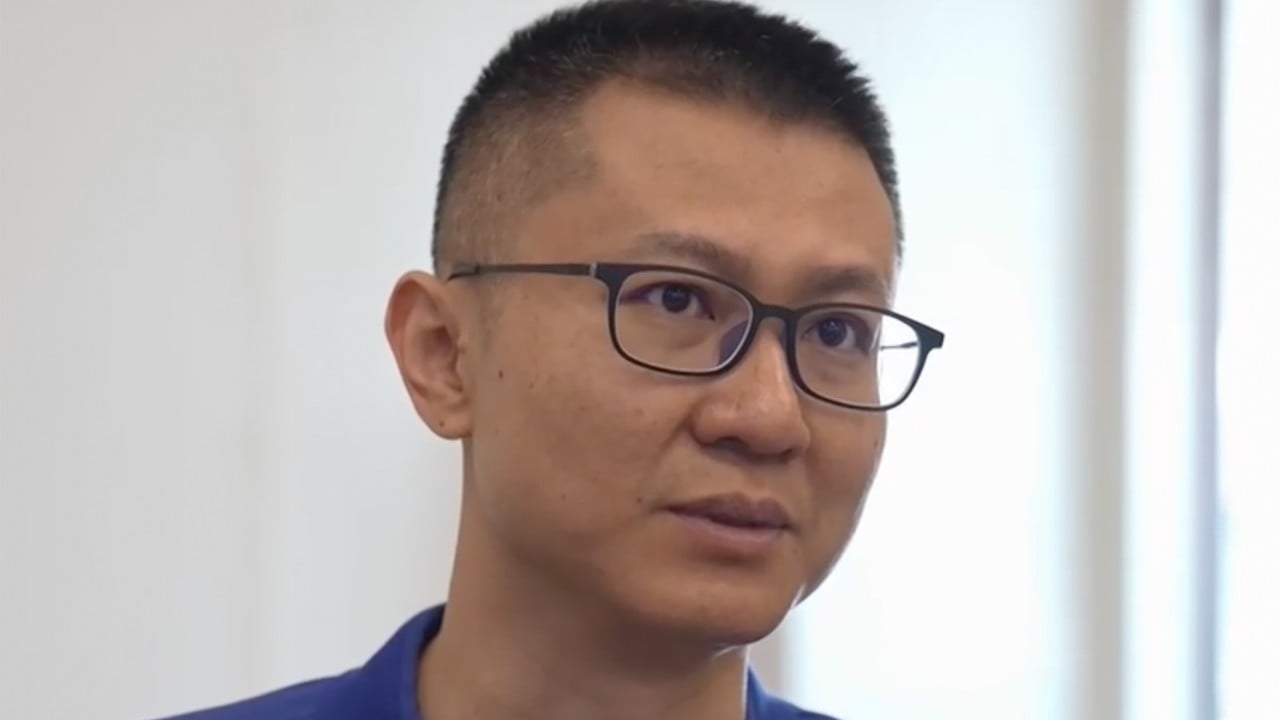
Dai Zheng, a veteran of China's space program, is now at the forefront of the country's ambitious reusable rocket revolution. The 42-year-old, once a senior engineer at the state-owned China Academy of Launch Vehicle Technology (CALT), made a bold career decision over a decade ago when he left his secure position to join the startup LandSpace. Ten years later, on August 19, his gamble paid off when Zhuque-3's booster became the first Chinese commercial rocket booster to return from orbit and land upright.
The successful touchdown marked a significant personal milestone for Dai and a critical advancement in China's quest to develop reusable launch vehicles. The achievement followed an intense eight-month recovery effort after a failed attempt in December. Dai's belief in reusability – the recycling of rocket parts for multiple flights – is key to reducing launch costs and supporting Beijing's plans for massive satellite constellations.
Dai joined LandSpace in 2016 at the invitation of its founder, Zhang Changwu. He left his senior post in rocket research and development at CALT, where he had worked since 2009 after earning a master's degree in engineering mechanics from Tsinghua University. The move meant giving up a secure career path at CALT, an institution where he had been on a fast-rising trajectory since designing China's first heavy-lift rocket, the Long March 5.
While the Zhuque-3 booster recovery is a landmark achievement, LandSpace now faces the challenge of turning this one-off breakthrough into routine, reliable reuse. Dai acknowledges the remaining hurdles as necessary steps in a longer process, emphasizing that experiencing failure is how one gains experience. He believes that if future generations only see American satellites, China's space workers have failed in their historical responsibility.
Written by urgent.news from South China Morning Post's reporting — not their text. Machine-written — may contain errors; check the original before relying on it.
This story
This is one outlet's version. Read the fullest account.