Macroeconomic stability cannot justify environmental destruction – Prof Bokpin
Professor of Finance and Economist at the University of Ghana Business School (UGBS), Godfred Bokpin, has criticised attempts to justify the destruction of Ghana’s environment with the macroeconomic gains derived from gold trading.
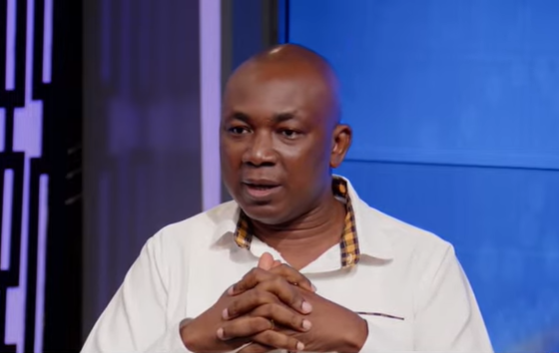
Professor Godfred Bokpin, a finance expert and economist at the University of Ghana Business School, has criticized efforts to justify environmental degradation in Ghana through the supposed macroeconomic benefits of the gold trade. Speaking on Joy FM's Super Morning Show, Bokpin emphasized that Ghana cannot claim to be better off if its forests, water bodies, and ecosystems are being destroyed by irresponsible mining, known as galamsey.
During a discussion on the Domestic Gold Purchase Programme (DGPP), Bokpin argued that the environmental costs of gold production must be factored into the sector's contribution to the economy. "It's a selfish position to believe you can harm the environment and water bodies for the sake of macroeconomic stability and claim you've gained," he stated.
Bokpin contended that assessing Ghana's gold sector should go beyond mere foreign exchange earnings, reserve accumulation, and improvements in economic indicators. He advocated for a comprehensive analysis of the gold sector's value chain, taking into account the costs of environmental degradation and loss of ecological integrity before claiming that the country has benefited from the gold boom.
Bokpin warned that Ghana risks sacrificing long-term sustainability for short-term economic gains if environmental destruction continues to be considered a price worth paying for economic growth. He urged policymakers to pursue economic strategies that safeguard natural resources while fostering sustainable prosperity. "Any growth model that relies heavily on environmental destruction and primary commodities is unsustainable," Bokpin cautioned.
Written by urgent.news from MyJoyOnline Ghana's reporting — not their text. Machine-written — may contain errors; check the original before relying on it.