Lack of sleep may cause anxiety by making us less adaptable to threats
People who were deprived of sleep overnight didn't seem to adapt to being in a potentially threatening space, which may help explain the link between a lack of shuteye and anxiety
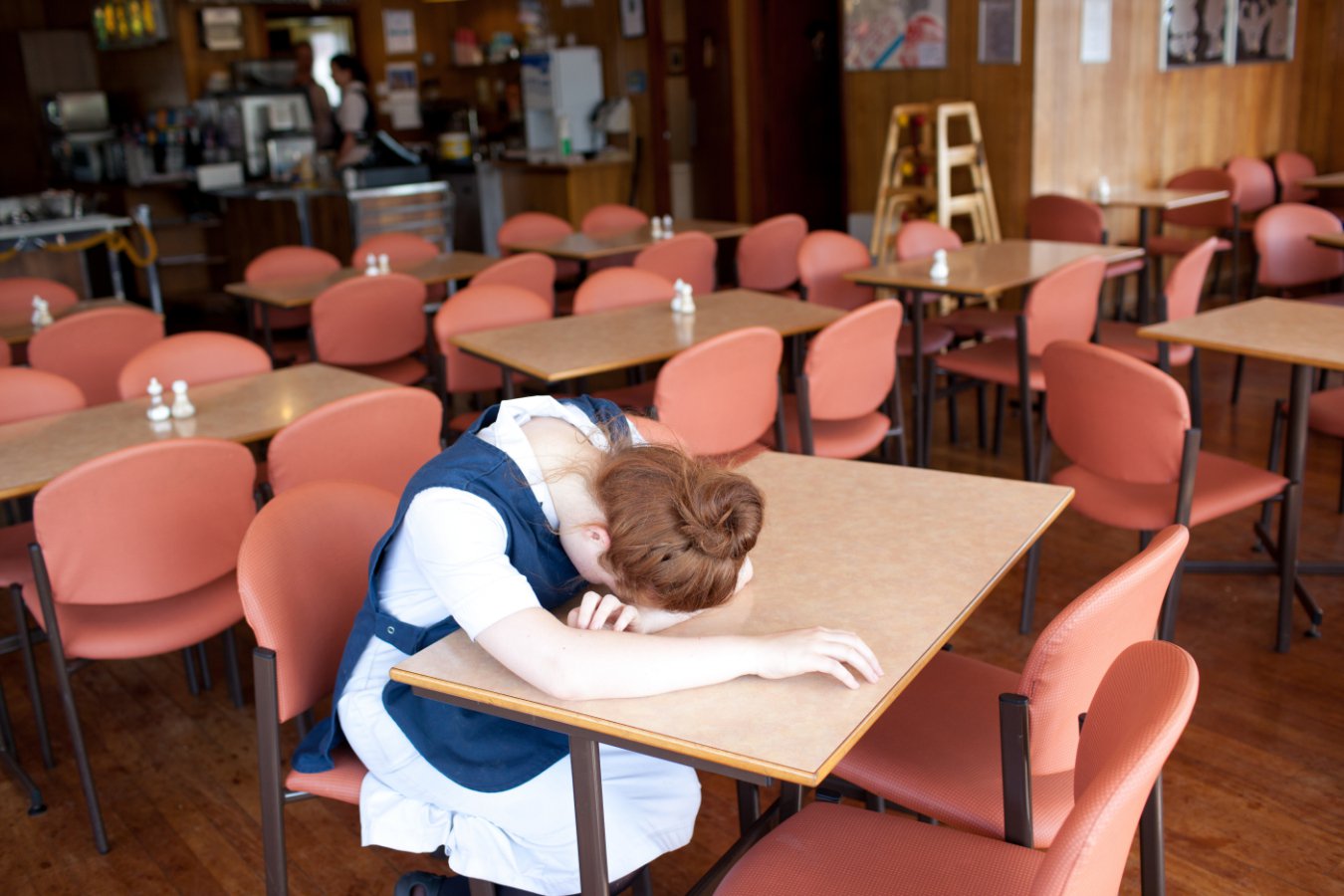
Insufficient sleep may heighten anxiety by hindering our brain's ability to adjust to new, potentially hazardous situations. This phenomenon could have provided an evolutionary advantage for our ancient ancestors, who were more susceptible to threats, but may be less beneficial in contemporary times. According to Eti Ben Simon of the University of Texas at Dallas, "Our bodies and brain view sleep loss as a reason to turn on the emergency engines in order to survive," signifying an evolutionary response to challenges in difficult circumstances.
Around one-third of adults in the West experience sleep difficulties at least once weekly, with anxiety disorders being both a cause and symptom of these issues. Prior research has linked sleep deprivation to heightened activity in brain regions associated with anxiety, such as the amygdala. One such study found that after 35 hours of wakefulness, emotional centers in the brain were more than 60% more active compared to well-rested participants, indicating that sleep deprivation amplifies the impact of negative stimuli.
However, these studies typically expose participants to negative images for brief periods. Emma Sullivan of the University of Melbourne notes that "Real-world threats rarely work this way." To gain a better understanding of how sleep problems contribute to anxiety, Sullivan and her team studied 54 adults aged 18-30, with no known health conditions or neurological, psychiatric, attention, or sleep disorders.
Half were instructed to remain awake overnight, while the others slept for eight hours in a sleep lab. The next morning, all participants entered a virtual world, beginning in a bright office with soothing music, then moving to a basement where they had to collect lanterns in dimly lit rooms with ominous music and unsettling sounds.
As expected, all participants exhibited higher stress levels upon entering the virtual basement for the first time. However, those who had a good night's sleep showed reduced stress upon re-entry, suggesting that they were able to adapt to the ongoing threat. In contrast, sleep-deprived participants maintained consistent stress levels each time they entered the threatening rooms.
The researchers suggest that sleep deprivation may result in a state of hypervigilance, which, if chronic, could manifest as pathological anxiety. When participants viewed recordings of their experiences, those with greater heart rate variability – a sign of good heart health – reported feeling less anxious in the intimidating rooms, despite strong physiological responses.
Conversely, those with less varied heartbeats reported feeling significantly more anxious. The study suggests that identifying factors that mitigate the impact of sleep loss is valuable. Moderate-to-vigorous exercise, for example, has been shown to increase heart rate variability, potentially serving as a target for interventions.
Treating sleep problems may also alleviate anxiety, as they appear to have a reciprocal relationship. Cognitive behavioral therapy, which helps change thoughts and behaviors, can improve both sleep and anxiety, according to Sullivan. She adds that "If sleep deprivation cannot be prevented for various reasons, such as shift work or being a new parent, napping or scheduled recovery sleep could help partially offset the effects of poor sleep on adaptation to ongoing threat."
Written by urgent.news from New Scientist's reporting — not their text. Machine-written — may contain errors; check the original before relying on it.