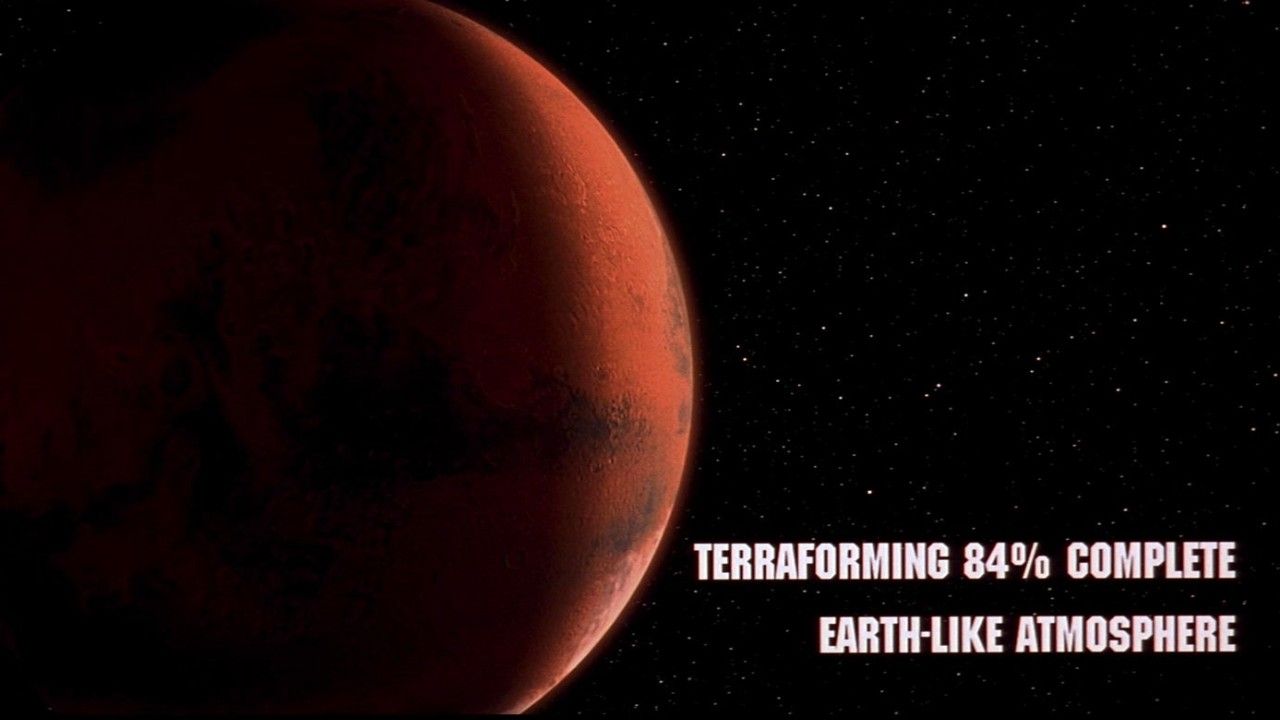
It’s Been 20 Years Since Astronomers Decided Pluto Isn’t a Planet
Pluto lost its planethood for a very specific reason. Whether or not that’s a good reason depends on who you ask.
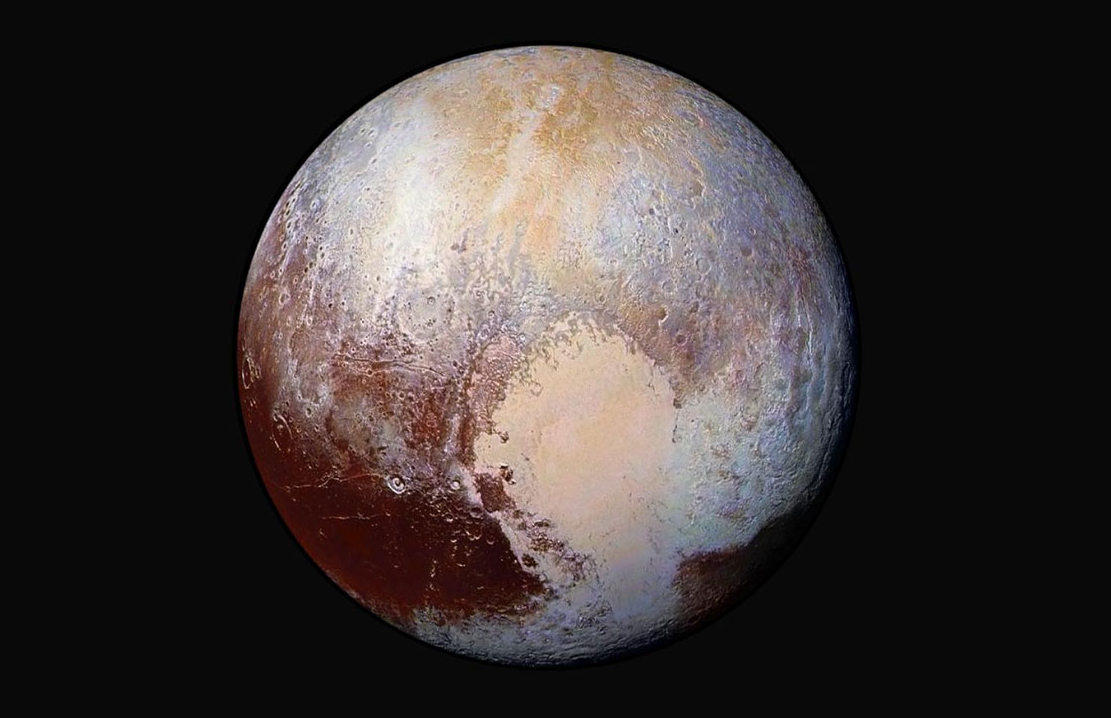
On August 24, 2006, the International Astronomical Union (IAU) made a decision that would forever change the way we view our solar system. The organization voted to reclassify Pluto, once known as the ninth planet, as a dwarf planet. This controversial decision has sparked ongoing debate and controversy.
Pluto's demotion came after the discovery of Eris, another Pluto-sized celestial body, in 2005. The IAU established three criteria for a celestial body to be classified as a planet: it must orbit a star, be large enough to have sufficient gravity to assume a spherical shape, and have cleared its orbit of other similar-sized objects. Pluto met the first two criteria but failed the third, as it shares its orbit with other objects.
Since then, the definition of a planet has been a subject of ongoing debate among astronomers. The IAU's decision to exclude Pluto has been met with mixed reactions, with some supporting its reclassification as a planet again. Billionaire Jared Isaacman, who now serves as NASA Administrator, has expressed his support for this idea. Even Star Trek's William Shatner has spoken out against Pluto's demotion.
However, the IAU's definition of a planet is somewhat arbitrary, and some argue that it doesn't adequately account for the vast number of celestial objects in our solar system. Astrophysicist David Gerdes, dean of the College of Arts and Sciences at Case Western Reserve University, points out that in the past, large asteroids like Ceres, Pallas, and Vesta were considered planets when they were discovered in the early 1800s.
As more asteroids were found, it became clear that they formed a large population, and today, over a million asteroids orbit between Mars and Jupiter. They are collectively known as the "asteroid belt," and no one considers them planets.
The tools we use to explore the cosmos, such as high-powered space telescopes, continue to improve, allowing us to discover new celestial bodies. However, adding more objects to the list of planets would make the definition of a planet less meaningful. Therefore, unless new planets are discovered and added to the list, Pluto will likely retain its status as a dwarf planet.
Written by urgent.news from CNET's reporting — not their text. Machine-written — may contain errors; check the original before relying on it.