International study uncovers new mechanism behind blood clot formation
A global research team has identified a novel arrangement of fibrinogen molecules in blood clotting, paving the way for new treatments for blood and respiratory disorders.
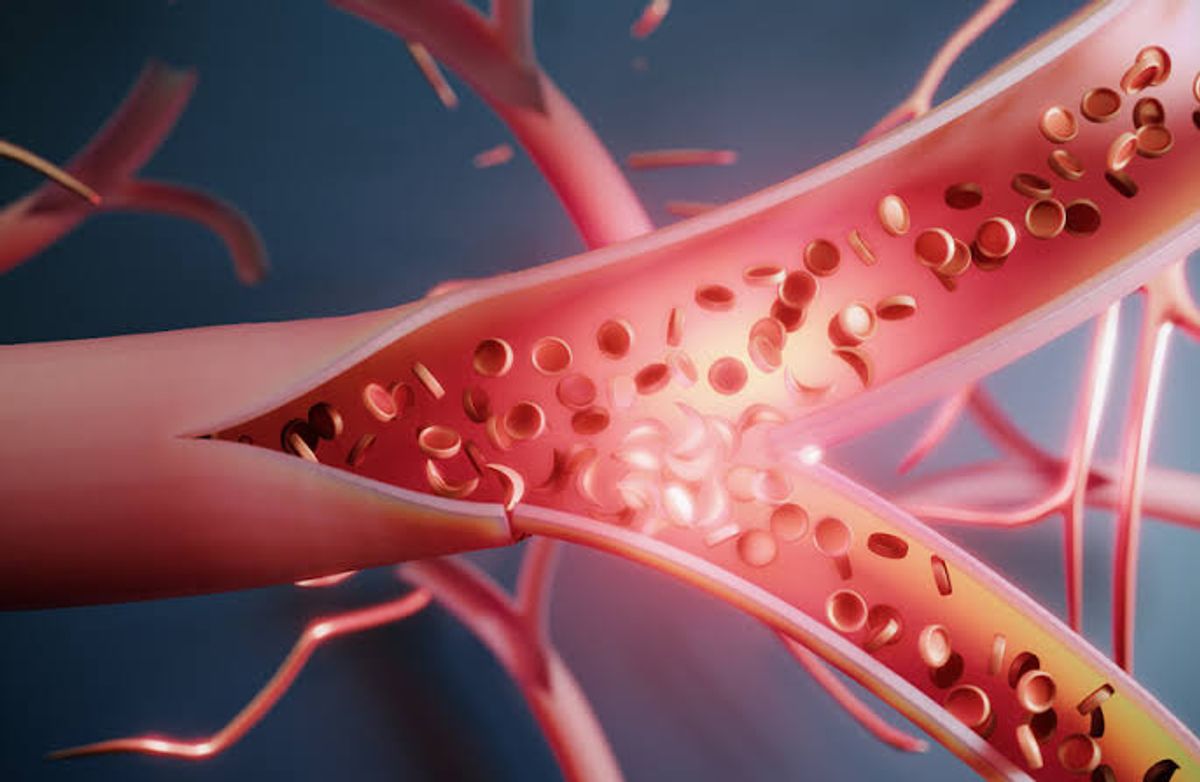
An international research consortium from the United Kingdom, Sweden, and France has unveiled a groundbreaking mechanism behind blood clot formation, potentially ushering in innovative treatments for various health disorders. The team, comprising scientists from the UK, Sweden, and France, made the discovery at the Laue-Langevin Institute in Grenoble, France, challenging long-held beliefs about the alignment of fibrinogen, a crucial protein in blood coagulation.
Through meticulous experiments, the researchers observed that fibrinogen molecules arrange themselves horizontally in multiple, stacked layers when exposed to air, unlike the previously accepted notion of a single slanted layer. This revelation, published in a recent study, holds immense promise for the development of novel therapies for blood clotting disorders, including hemophilia, and for managing glucose levels in diabetes patients.
Moreover, the findings carry significant implications for treating acute respiratory distress syndrome (ARDS). The study highlights that fibrinogen leakage into the alveoli, caused by lung inflammation, can induce clot formation and lead to respiratory failure in ARDS patients. The researchers' discovery opens up new avenues for preventing and managing this critical complication, potentially saving countless lives.
Written by urgent.news from Ajel English's reporting — not their text. Machine-written — may contain errors; check the original before relying on it.