Indonesia takes on Malaysia in battle over palm oil pricing
Indonesia produces and exports more palm oil than any other country, but when it comes to setting the price, it still plays second fiddle to Malaysia. President Prabowo Subianto wants to change that. On August 14, he announced a new exchange for commodities including palm oil, nickel and coal, targeted to begin operations on January 1. But analysts say dominance in physical supply does not…
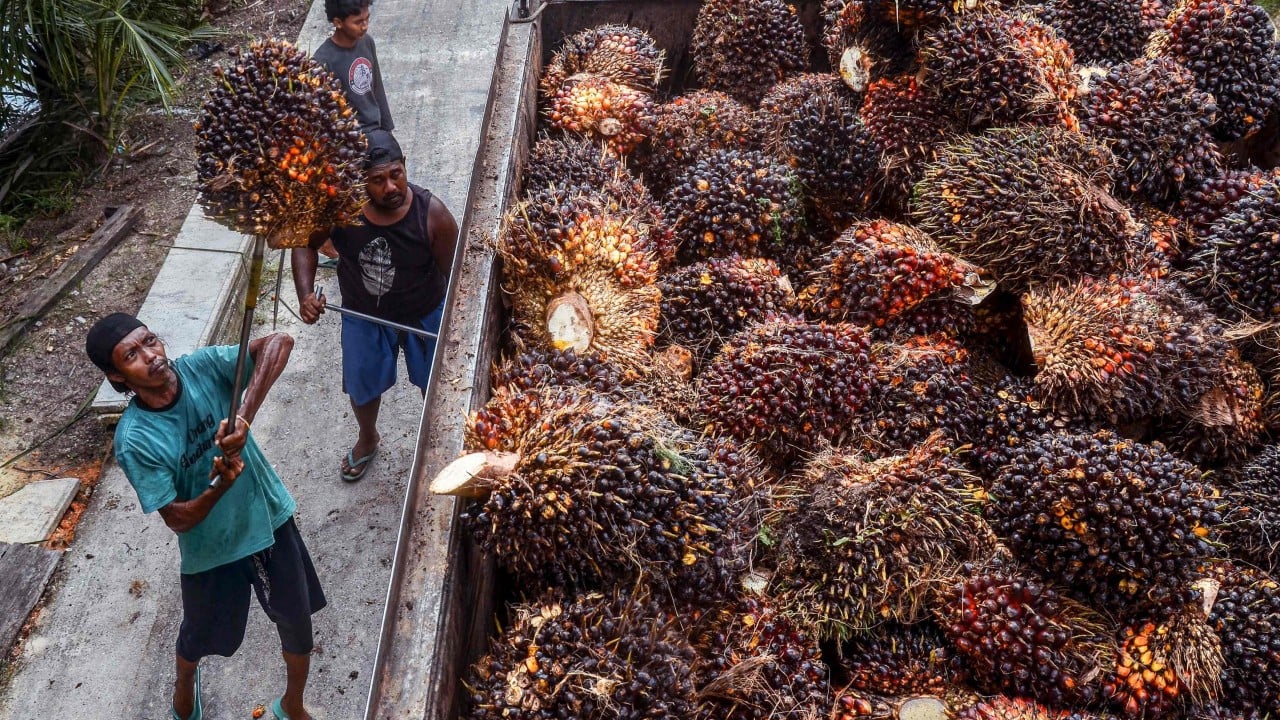
Indonesia, the world's leading producer of palm oil, aims to assert greater influence over international commodity pricing by establishing its own benchmark exchange. President Prabowo Subianto announced a new commodities exchange on August 14, which is set to commence operations on January 1. However, analysts question whether Indonesia's physical supply dominance will automatically translate into pricing power.
The Strategic Mineral and Commodity Exchange (BMKS) will oversee major exports including palm oil, nickel, tin, coal, and coffee. The exchange will establish Indonesian reference prices and enhance transparency in commodity trading. Analysts believe that Indonesia's primary challenge is creating a trust-worthy market among participants, despite its significant export volume and export dominance.
Palm oil prices are largely determined by Malaysia's futures contract (FCPO), which has been the industry standard for years. While Indonesia has attempted to challenge the status quo with previous exchanges, these have not gained traction.
David Ng, a trader at IcebergX, notes that the FCPO's popularity stems from deep liquidity and widespread participation from various market players. For Indonesia to succeed, it must build market confidence and offer competitive transaction costs, transparent governance, and reliable data. Bhima Yudhistira Adhinegara, executive director of the Centre of Economic and Law Studies, warns against viewing BMKS solely as a bid for international price-setting power.
The exchange's true purpose may be to provide more transparent data for government oversight and tax revenue protection. While BMKS may not displace the FCPO in international contracts, it could still strengthen Indonesia's negotiating position in commodity markets.
Written by urgent.news from South China Morning Post's reporting — not their text. Machine-written — may contain errors; check the original before relying on it.