How South Africa's informal economy is supporting families amid rising unemployment
South Africa’s 33.6% unemployment rate is pushing more people into the informal economy, but rising costs, limited funding and weak infrastructure are making it harder for small businesses to survive and grow.
South Africa's unemployment rate has surged to 33.6%, and informal businesses are stepping in to support millions of families struggling to find formal work. However, these entrepreneurs face growing challenges as costs rise and access to finance remains limited. Shop2Shop's Annelene Dippenaar describes informal businesses as the "shock absorber" of the formal job market, but warns that treating entrepreneurship as a cure for unemployment is insufficient.
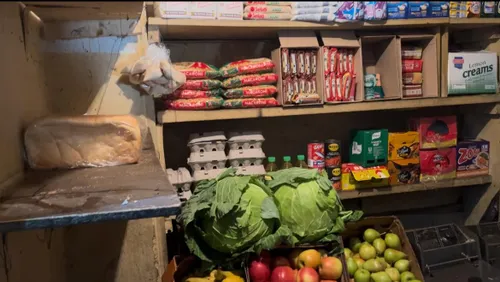
Epicure Bitez founder Thabiso Mhlongo manages his food business while holding down a full-time job. He began his venture in 2020, starting with burgers before expanding to tacos, wraps, and wings. Mhlongo attributes rising costs and cautious customer spending to the difficulty in expanding his business. Given Madia, a Soweto tuckshop owner, supports six family members and employs two others through his tuckshop.
Despite facing high costs, Madia believes increased funding would enable him to purchase more stock, invest in technology, and generate more jobs.
Stats SA reports 8.5 million unemployed individuals in the second quarter, with formal-sector employment dropping by 41,000. Informal-sector employment, however, increased by 34,000, with trade recording the largest gain at 70,000. Dippenaar notes that about 3.6 million people now work in the informal sector, and their income often supports entire households and extended families. She emphasizes that trading has become a long-term source of income rather than a temporary survival strategy.
While informal businesses absorb the pressure of unemployment, they also face numerous obstacles to growth, including limited capital, the cost of handling cash, municipal rules, and poor infrastructure. Dippenaar suggests that providing digital transaction records to traders could enhance their access to credit, insurance, and better supplier terms.
Mhlongo, who started his business in 2020, now works a full-time job during the week and runs Epicure Bitez on weekends due to mounting costs. Madia, whose tuckshop supports an entire household, utilizes Shop2Shop's point-of-sale device to offer additional services and reduce reliance on cash. Dippenaar stresses the need to make formalization more accessible and beneficial for these entrepreneurs instead of forcing them into it.
Written by urgent.news from IOL's reporting — not their text. Machine-written — may contain errors; check the original before relying on it.