Homes crack as London heatwaves trigger record subsidence claims
Londoners are facing historic levels of subsidence risk after five successive heatwaves dried out the clay soil on which much of the British capital is built. Insurance claims tied to subsidence – a phenomenon associated with bouts of hot, dry weather that shrink the soil and destabilise the foundations on which buildings stand – hit a record last quarter, according to data provided by the…
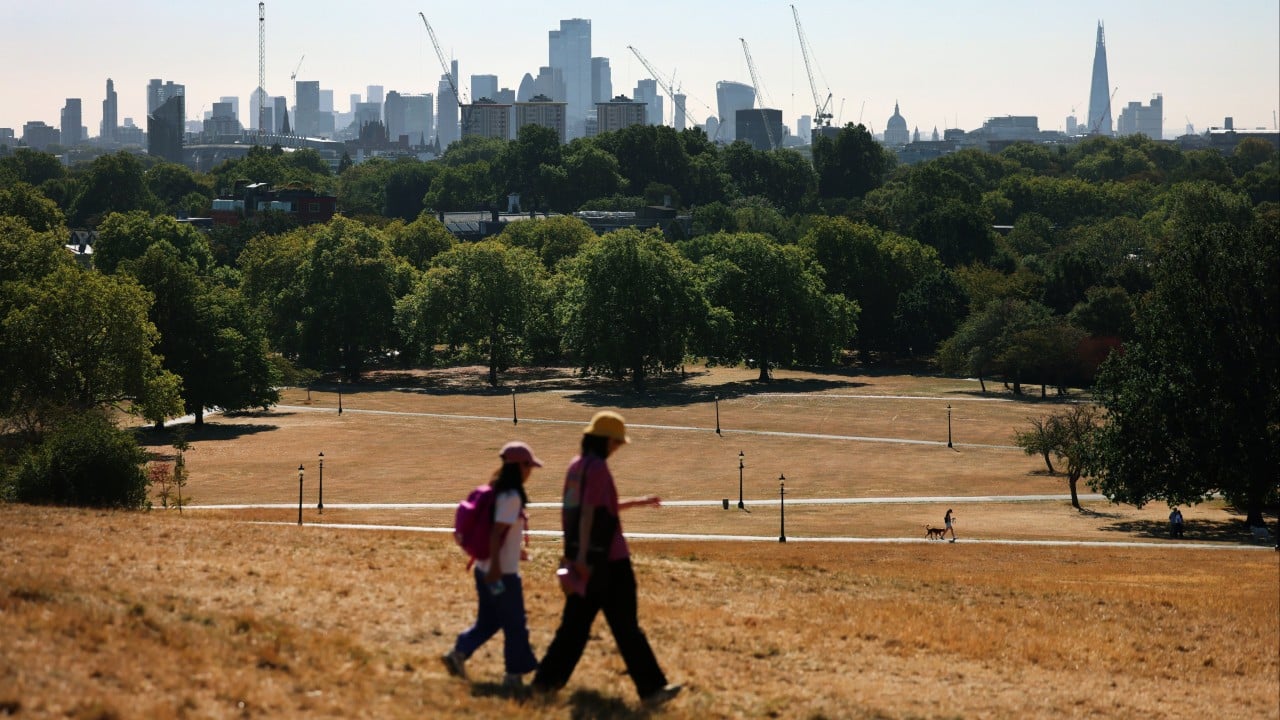
London is grappling with a historic surge in subsidence claims, driven by record-setting heatwaves that have caused the city's clay soil to shrink and destabilize building foundations. Insurance payouts for subsidence damage reached an all-time high in the latest quarter, with the average household claim totaling £20,000—nearly double the previous year's figures.
Laura Hughes, head of general insurance at the Association of British Insurers (ABI), predicts that this trend will continue as more heatwaves are expected. Subsidence cases are expected to rise due to the prolonged hot weather, according to Hughes.
Social media has witnessed an outpouring of concern from London residents who have experienced severe cracking in their homes, doors becoming difficult to open, and even kitchen counters shifting. Structural engineers report that such issues are becoming alarmingly common, with one engineer stating that his clients constituted a majority of subsidence cases in southeast London.
London's most expensive and sought-after neighborhoods, including Westminster, Kensington, and Chelsea, are particularly vulnerable. The underlying cause of this crisis is climate change, which exacerbates the sensitivity of London's clay soil to moisture fluctuations—expanding when wet and contracting when dry.
The cost of subsidence damage has skyrocketed, reaching £297 million in the past four years, a 90% increase. Insurance payouts for subsidence damage have surged about 90% to a record £297 million since 2025. Victorian and Edwardian homes built on top of London clay are the most at-risk properties, while modern buildings have deeper foundations and are less affected.
London Mayor Sadiq Khan has warned that the city will need to seek private investment to fund the estimated £36 billion annual cost of preparing for rising temperatures by 2050. Insurance companies face rising risks, with subsidence claims expected to increase in the years to come.
Written by urgent.news from South China Morning Post's reporting — not their text. Machine-written — may contain errors; check the original before relying on it.