His Research on Pregnant Opioid Users Was Widely Celebrated. Auditors and Experts Found Major Flaws.
The post His Research on Pregnant Opioid Users Was Widely Celebrated. Auditors and Experts Found Major Flaws. appeared first on ProPublica .
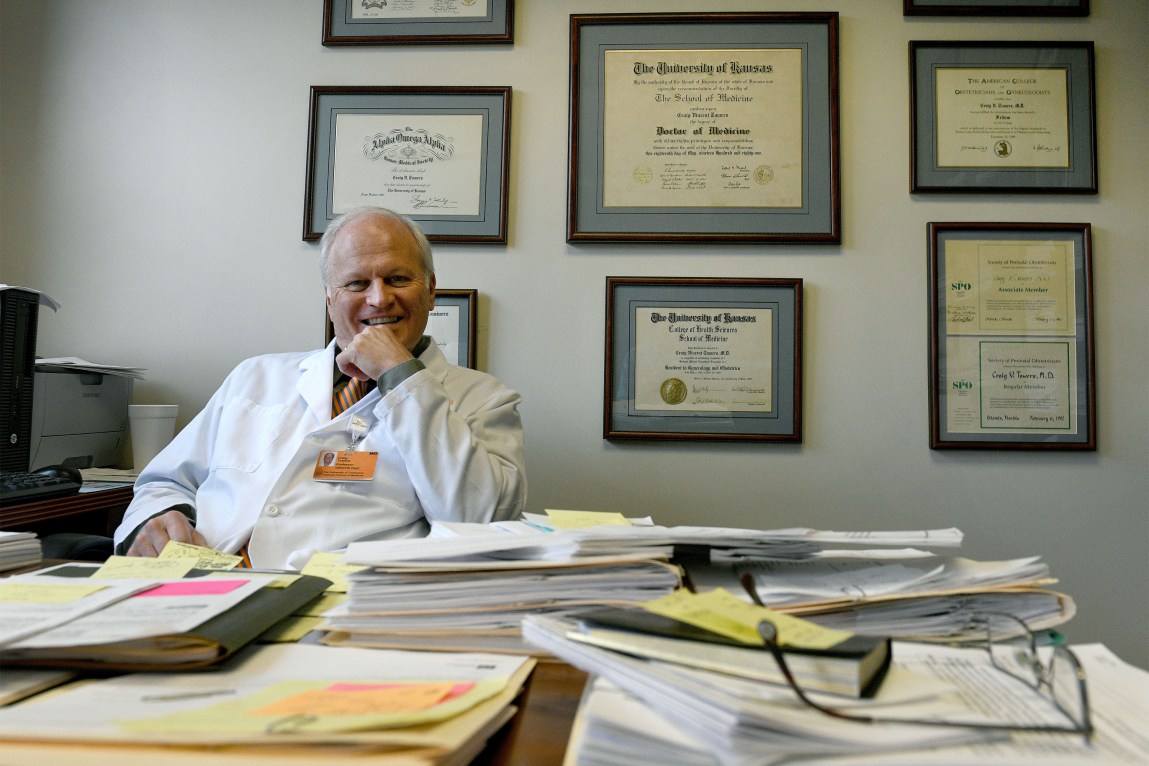
In 2010, Dr. Craig Towers relocated to Knoxville, Tennessee, where he encountered a unique challenge: a significant number of pregnant women battling opioid addiction. As a high-risk obstetrician with 25 years of experience in California and Wisconsin, Towers was accustomed to severe cases, but these women were particularly difficult.
Newborns born to these women exhibited withdrawal symptoms, and faced weeks of specialized care. These newborns became tragic representations of Tennessee's opioid crisis. Towers immediately recognized the need to challenge the prevailing medical belief that it was unsafe to detox pregnant opioid addicts. This belief was based on the idea that withdrawal could harm the fetus, potentially leading to physical stress or miscarriage.
Instead, doctors would prescribe methadone or buprenorphine, legal alternatives that could still cause newborns to be born in withdrawal. Towers decided to investigate this approach and began studying the outcomes of women who had previously undergone detoxification. Over the course of three years, Towers collected data from over 300 such women.
His research found that detoxification was not as harmful to the fetus as initially feared, and this finding prompted changes in how doctors treat pregnant opioid users nationwide. Towers' work was widely celebrated, earning him the title of a "Health Care Hero" from the Knoxville News Sentinel and recognition from CNN's chief medical correspondent, Dr. Sanjay Gupta, who described newborns without withdrawal symptoms as "miracles."
In 2019, the University of Tennessee Medical School granted additional funding to Towers for his ongoing research, praising his efforts and leadership that had led to national recognition. However, in 2020, Towers abruptly halted his research. The study, the largest of its kind with 230 participants, was published soon after. The study found that naltrexone, a drug that discourages opioid use by blocking the high, was effective in keeping most patients off opiates.
However, the study raised concerns among other experts in addiction treatment. Some questioned how the results could be true, as naltrexone had shown lackluster results in other major studies. Rates of relapse among nonpregnant patients averaged 72%, according to a systematic review of 13 studies. Two addiction and pregnancy specialists drafted a letter to the University of Tennessee expressing their concerns about Towers' study.
A university audit subsequently found major problems with Towers' research. The audit revealed that Towers had not obtained university approval for the study, provided inaccurate or unverifiable documentation for a component of the study, and failed to protect confidential patient health information. The journal where Towers' study was published was aware of these issues but took no action to address them, publishing a brief correction in 2023 stating that the study was improperly listed as a "prospective" research.
Experts in research ethics and substance abuse during pregnancy, when shared Towers' study, the university's audit, and the journal's correction with five such experts, all agreed that the documents raised major concerns about Towers' conduct as a researcher. The publisher of the American Journal of Obstetrics and Gynecology, the journal where the study appeared, denied the allegations, stating that the journal upholds the highest standards of rigor and ethics in its publishing to protect the quality and integrity of research.
Written by urgent.news from ProPublica's reporting — not their text. Machine-written — may contain errors; check the original before relying on it.