Gulf aviation six months into US-Iran war: What it means for UAE airlines, airports and travellers
Dubai: Six months after the US-Iran war rattled Gulf airspace, the region's aviation sector is bouncing back — but not evenly, and not without cost. Top aviation analysts Gulf News spoke with say passenger numbers are recovering faster than expected, airport projects remain on track, and confidence is returning. But full-service carriers, hotels and insurers are still counting the cost of a…
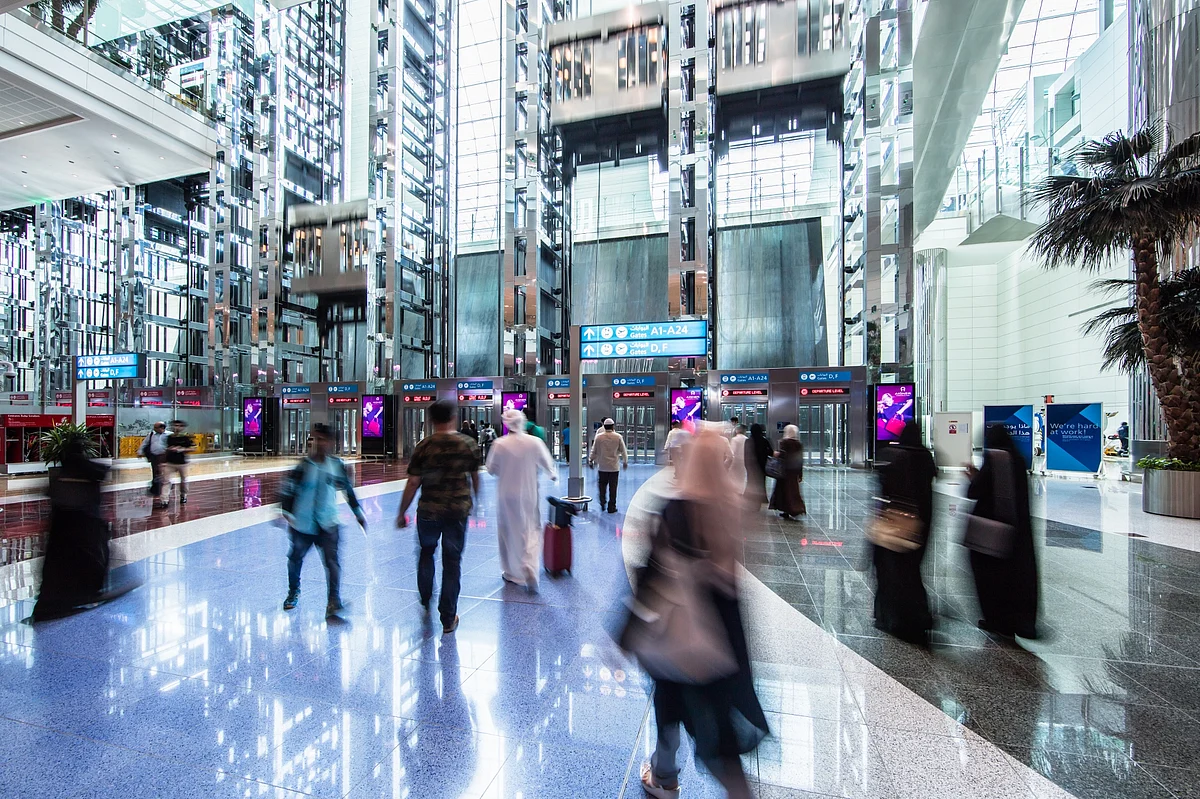
Six months after the US-Iran war disrupted Gulf airspace, the aviation sector in the region is showing signs of recovery. Passenger numbers are rebounding faster than anticipated, and airport projects are progressing according to schedule, according to top aviation analysts consulted by Gulf News. However, the impact of the conflict has been uneven, with full-service carriers, hotels, and insurers still grappling with the fallout.
Dubai is on track to conclude the year close to its pre-war passenger capacity, with recent reports suggesting that the city could reach nearly 100 million passengers in 2026, close to its pre-conflict trajectory. Doha and Abu Dhabi have also rapidly rebuilt their networks, with transfer traffic returning strongly by the summer peak. Dubai Airports is set to release its H1 passenger traffic figures later this week.
While low-cost carriers such as Air Arabia and flydubai have recovered much of their capacity, approaching 90% of their 2025 levels, full-service carriers have faced a more significant impact, with their capacity still around 20-25% below 2025 levels. These carriers are not expected to reach full capacity this year. According to Virendra Jain, Co-Founder and CEO at VIDEC, UAE airfares could remain elevated throughout much of 2026, as the Middle East aviation sector continues to experience disruption.
The knock-on effects of the conflict have been felt across the region, with Dubai's hotel occupancy averaging 56% in the first half of 2026, marking a 30% year-on-year decline due to the regional conflict and travel. Similarly, Dubai's airport revenue, measured by available rooms per available seat mile (ADR), has also declined, with whatever occupancy available coming at lower ADRs.
Written by urgent.news from Gulf News's reporting — not their text. Machine-written — may contain errors; check the original before relying on it.