Grim signs the globe is about to run short of food
Just as the global economy was adjusting to higher fuel prices, a new inflationary wave is about to hit. This time, the shortages will involve food and the poorest nations will be the worst affected.
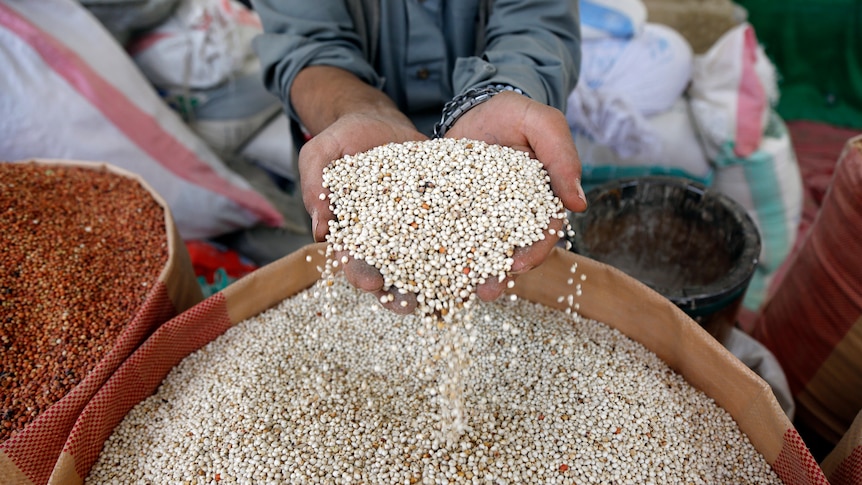
The globe faces an imminent food shortage crisis as a new wave of inflation is expected to hit soon. This time, the focus will be on food shortages, with the poorest nations suffering the most. The main reasons behind this situation include higher input costs, disrupted trade routes, and climate change. Grain and wheat supplies in particular have been drastically reduced.
Australia, a major global food exporter, is currently under pressure due to rising fuel and fertilizer prices, along with the impact of a powerful El Niño weather pattern. The Middle East and Eastern Europe are also experiencing devastating effects on food distribution due to ongoing conflicts. Unpredictable weather changes, including fires and droughts, have further damaged key food-producing regions in Europe and North America.
Australia, accustomed to adapting to the continent's dry climate, now faces increasing weather pattern uncertainties, with severe droughts becoming more common. Wheat is the world's largest single crop, essential for human nutrition, and Australia supplies 10 to 15 percent of the global wheat market. This year, however, the winter crop is expected to decline by 21 percent compared to the previous year, with the smallest planting area in six years.
The Middle East conflict has disrupted global fuel and fertilizer supplies, leading to higher input costs for farmers. In Australia, lower-than-normal harvests are likely, but the onset of El Niño could worsen the situation for summer crops like sorghum and rice. The recent breakdown in negotiations between the US and Iran has raised oil prices, further impacting fuel costs for agriculture.
Meanwhile, Russia and Ukraine, together accounting for almost a third of global wheat trade, have seen shipments halt due to conflicts in the Black Sea. Unpredictable weather conditions, such as drought in Ukraine's Danube River export route, have also contributed to reduced yields in European producers, particularly France and Germany.
The US, Canada, Bangladesh, and Indonesia are among countries affected by the global food trade disruptions.
Written by urgent.news from ABC News AU's reporting — not their text. Machine-written — may contain errors; check the original before relying on it.