Education Ministry advances curriculum development ahead of new academic year
<p>Doha, Qatar: The Ministry of Education and Higher Education is stepping up efforts to develop curricula that equip students with knowledge, life skills and future-ready competencies, while strengthening their national identity and Islamic values, said Director of the Curriculum and Learning Resources Department Sara Issa Al Sharim.</p> <p>Speaking to Qatar News Agency (QNA) ahead of the new…
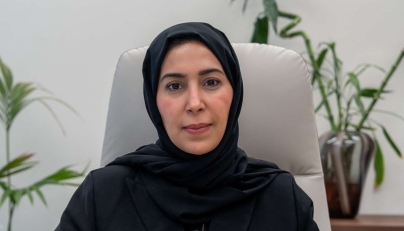
Doha, Qatar - The Ministry of Education and Higher Education has accelerated curriculum development to prepare students with vital knowledge, life skills, and future-ready competencies. Director Sara Issa Al Sharim emphasized the importance of strengthening national identity and Islamic values alongside academic learning. Five school subjects were revamped for the 2025-2026 academic year, including history and geography for Grade 11, French and science for Grade 10, and information technology. Over 612 coordinators and teachers were trained on the new curricula.
The Ministry is also responsible for developing 18 compulsory and elective subjects, conducting 106 school visits to monitor implementation. They employ a data-driven approach, considering national and global developments, learner needs, and learning outcomes in curriculum creation. This involves ongoing assessment, scientific review, and drawing on expertise to ensure alignment with future requirements.
Al Sharim highlighted that the national curriculum serves 154,564 students in government schools and 193,500 students in private schools, including those studying Arabic language, Islamic studies, and Qatar history. The Ministry emphasizes well-rounded learners equipped with knowledge, life skills, and values for success and lifelong learning.
They aim to foster adaptability, critical thinking, creativity, communication, and problem-solving skills. The curricula promote the combination of high-quality learning with Islamic values and national identity.
Qatar's curricula have evolved to shift from mere knowledge acquisition to practical application in real-life contexts. Educational pathways have diversified, and specialized education has expanded to align with higher education and labor market needs, preparing students to contribute to society in line with Qatar National Vision 2030. The department publishes 535 school textbooks annually, totaling 4,415,260 copies.
Recognizing students' diverse abilities and needs is crucial, with flexible teaching strategies, resources, assessment methods, and support systems tailored to individual learning. The Ministry draws from international educational experiences, adapting practices to fit Qatar's educational context and priorities. The main challenge lies in keeping pace with rapid changes in skills, jobs, and technologies, emphasizing adaptability, knowledge foundation, and core skills.
Written by urgent.news from The Peninsula Qatar's reporting — not their text. Machine-written — may contain errors; check the original before relying on it.