Dragonflies help protect water and ancestral Indigenous languages in Colombia
Every dragonfly story starts in the water, and Guainía, known as the land of many waters, should be the Olympus of these insects. The mix of waters from the Orinoquia and the Amazon with the vast pristine rainforest should make this region a dragonfly biodiversity hotspot. But little to nothing is known about the diversity […]
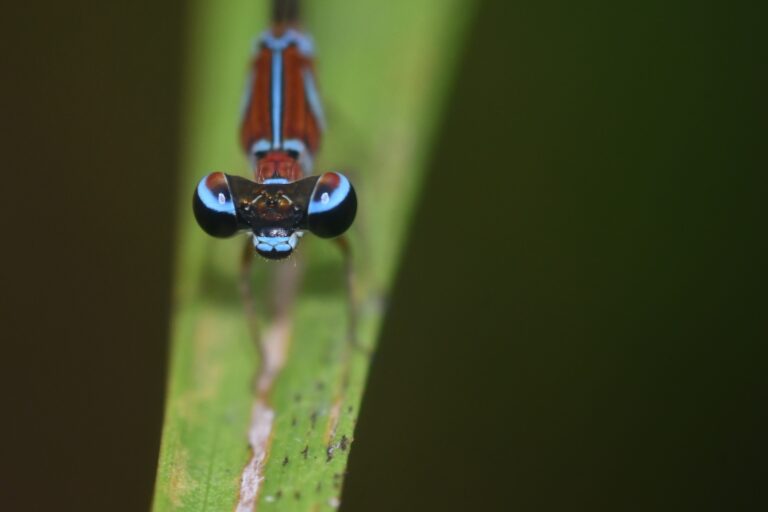
In the land known as Guainía, or the land of many waters, dragonflies play a crucial role in preserving the region's rich biodiversity and the preservation of ancestral Indigenous languages. The area, located in eastern Colombia, is a unique mix of waters from the Orinoquia and the Amazon, nestled within the vast pristine rainforest.
Despite its significance, little is known about the diversity of dragonflies in this remote part of the country. Yiselle Cano, a doctoral candidate at the National University of La Plata in Argentina and leader of the project Dragones Guainía, shared this insight with Mongabay. Initially, only ten species were reported in the region.
However, through tireless fieldwork involving rubber boots, long-sleeved shirts, hats, and sweeping nets, Cano and her colleague Jenilee Montes have spent the past three years exploring the waters of Guainía, collecting and identifying dragonflies and damselflies. As of now, they estimate the count to be close to 120 species, highlighting the region's immense diversity.
"It's a hugely diverse group, because it includes dragonflies native to the Orinoco, Amazonas, and dragonflies that are endemic to the Guiana Shield," Cano explained. Guainía, a remote biodiversity hotspot meeting the Amazon Rainforest, the Orinoco River basin, and the Guyana Shield, is home to a multitude of dragonfly species. This discovery serves as a reminder of the importance of protecting these unique ecosystems and the cultural heritage they support.
Written by urgent.news from Mongabay's reporting — not their text. Machine-written — may contain errors; check the original before relying on it.