Dollar Gains on Weak Stocks
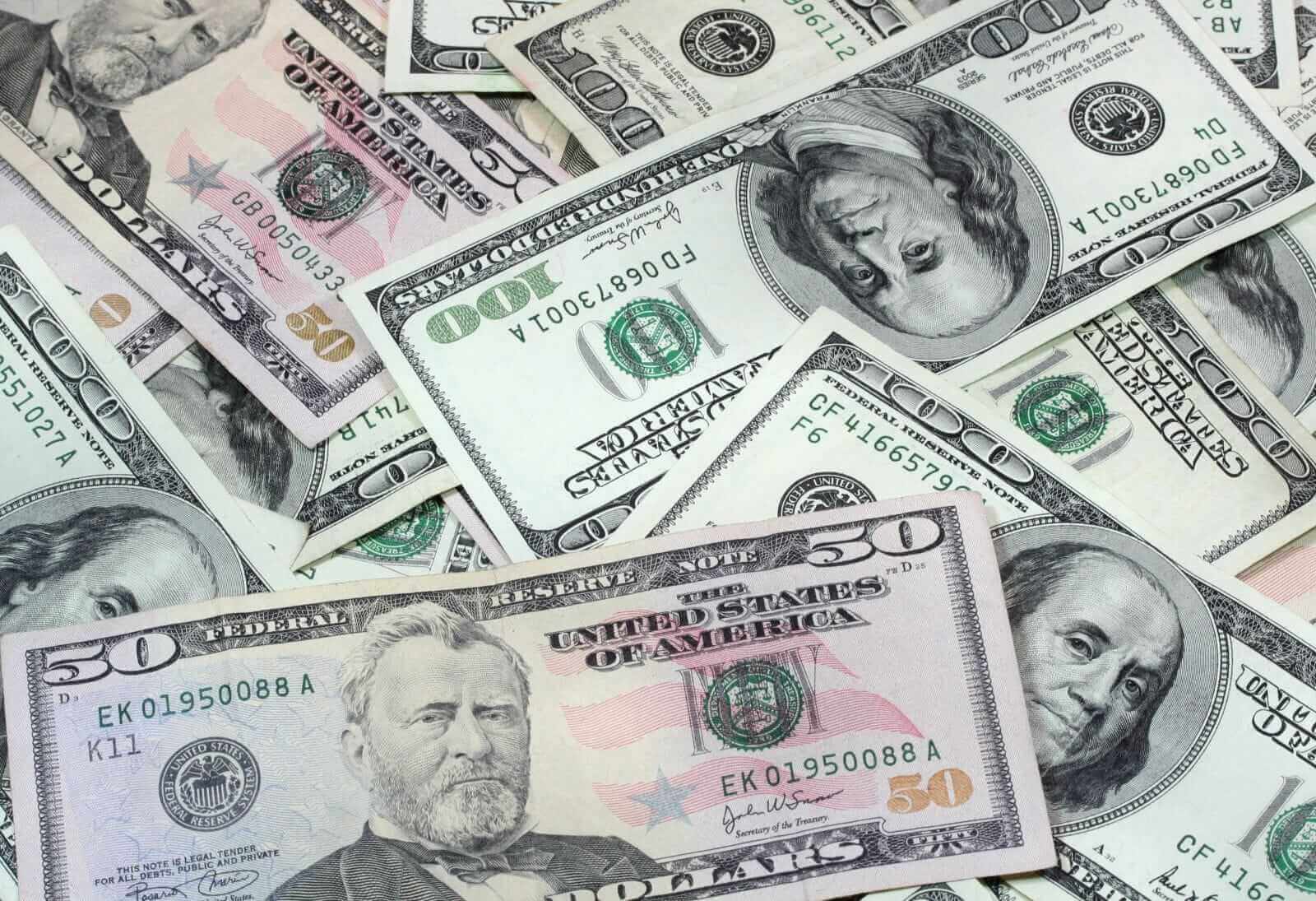
The dollar index (DXY) rose by 0.17% on Friday. The dip in stocks today sparked some demand for dollars. Additionally, the July Chicago Fed national activity index report was stronger than anticipated, reinforcing the dollar's position. A CNBC report indicating the Treasury could tap a $935 billion balance in its Treasury General Account to fund increased buybacks of government securities with higher yields also boosted dollar gains.
Moreover, crude oil prices falling by more than 1% lowered inflation expectations and presented a dovish stance for the Federal Reserve. The July Chicago Fed national activity index dipped 0.14 to -0.08, slightly better than the expected -0.09.
STLD stock led a surge in U.S. steel stocks due to the escalating trade war with Canada. The dollar index gained as pressure mounted on Iran markets. Treasury Secretary Bessent provided details on plans to isolate Iran's economy in an upcoming press conference. Bessent warned that the world should understand the objective is to cut off all economic support for the Iranian regime until Iran stands alone.
Iran's Supreme National Security Council vowed retaliation, stating that any nation supporting America's economic war against Iran will face consequences, and no oil will be exported from the country. Markets anticipate a 40% chance of a 25 basis point rate hike at the September 15-16 FOMC meeting. EUR/USD slipped by 0.09% as dollar strength weighed on the euro.
ECB Executive Board member Piero Cipollone's comments about potential inflation dampening economic growth due to interest rate hikes also negatively affected the euro. The euro lost ground despite today's crude oil weakness, which benefits the Eurozone economy and the euro.
ECB Executive Board member Piero Cipollone cautioned that raising interest rates to stabilize inflation could hinder economic growth already affected by a negative shock. Markets projected a 96% probability of a 25 basis point ECB rate hike at its September 10 meeting. USD/JPY increased by 0.11% due to weak interest rate differentials and Japan's heavy reliance on imports for energy. The yen remains vulnerable due to the Bank of Japan's policy rate (1.00%) being far below the Fed's target range (3.50%-3.75%).
The yen experienced a -1% drop due to lower crude oil prices, which positively impacted Japan's economy as it imports over 90% of its energy. Lower T-note yields also supported the yen. Expectations of a potential BOJ rate hike in September or October provide additional support for the yen. An 80% chance exists of a 25 basis point BOJ rate hike at the September 18 meeting.
October COMEX gold (GCV26) rose by 0.70% (+32.70), reaching a 3.5-month high. September COMEX silver (SIU26) declined by 1.0% (-0.730). Precious metals prices fluctuated due to the -1% decline in crude oil prices, which lowered inflation expectations and increased demand for precious metals as a store of value. The Treasury using its TGA to fund longer-dated U.S. government bond buybacks further bolstered concerns over dollar debasement.
Fund support for precious metals ETFs rose to 3-month highs, and long holdings in silver ETFs hit a 4-month high. Strong central bank interest in gold is bolstering prices, following news that China's PBOC reserves increased gold holdings by 640,000 ounces to 76.08 million troy ounces in July. Rich Asplund had no positions in the securities mentioned. All information and data in this article are for informational purposes only.
Written by urgent.news from Yahoo Finance's reporting — not their text. Machine-written — may contain errors; check the original before relying on it.