Divorce, smartphones and control – BBC sees how Taliban run Afghanistan
Governor Abdullah Sarhadi gives money to treat a boy's broken arm and hands out funds for a local mosque - then, in his office in northern Afghanistan, an astonishing exchange unfolds.
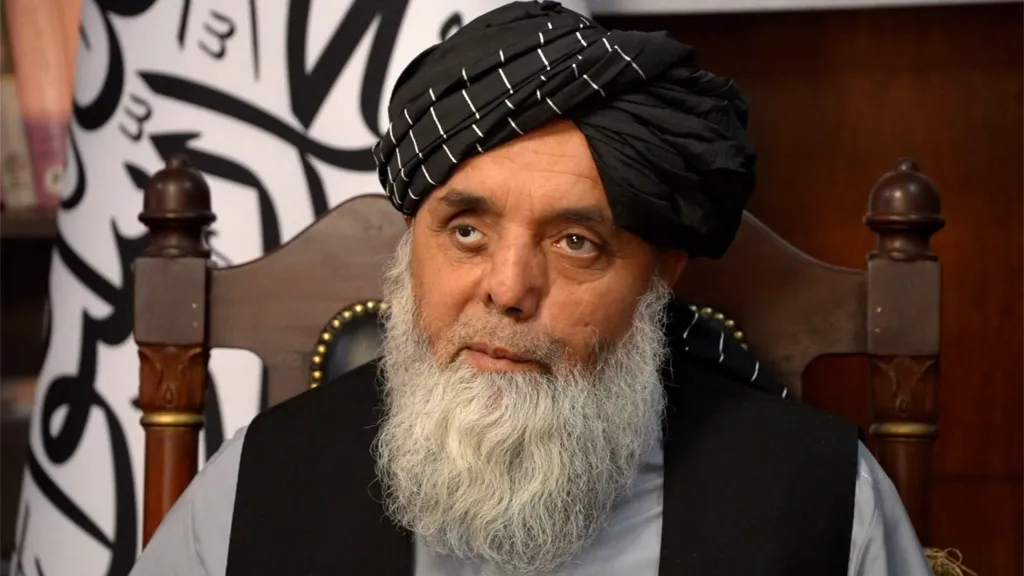
In northern Afghanistan, a governor and a young woman engaged in an unusual dialogue, challenging the Taliban's strict control over women's rights. The 18-year-old woman, who wishes to divorce her abusive husband, demanded her husband's consent, insisting that her dignity and honour were already ruined. The governor, Governor Abdullah Sarhadi, tried to persuade her to stay in the marriage, suggesting that she would have difficulty finding a husband afterward.
He claimed that women are "mindless" and "deficient in intellect", receiving laughter from his male officials and bodyguards.
Sarhadi's views reflect the Taliban's stance on women's rights, which remains similar to their hard-line interpretation of Sharia law from the 1990s. Under Sharia, a woman seeking a divorce may have to return some or all of the money given to her by her husband when they married, or face consequences. The woman's father later informed the BBC that they would pursue divorce through the courts, despite the difficulty a woman faces in obtaining a divorce without her husband's consent.
The BBC's access to several influential Taliban figures, including former insurgents and military commanders, revealed a disconnect between their public image and their actual policies. Habibullah Badr, a senior Taliban figure, admitted to being responsible for planning suicide attacks in Kabul and running a prison where he was held on death row under the previous government.
When questioned about civilian deaths caused by the Taliban, Badr evaded the question, stating that the attacks were targeted at US convoys and that civilians were advised to stay away from foreign bases.
The meeting with Badr was interrupted by Sultan Mohammad Talaee, who expressed his desire for girls' schools to reopen, emphasizing that seeking knowledge is an obligation for both men and women in Islam. Talaee's request was met with an awkward silence from the audience, forcing them to remove his microphone. This exchange highlights the contradictions and challenges faced by the Taliban in implementing their policies, with some officials expressing dissenting views while others remain silent to avoid controversy.
Written by urgent.news from MyJoyOnline Ghana's reporting — not their text. Machine-written — may contain errors; check the original before relying on it.
This story
This is one outlet's version. Read the fullest account.