Data suggests increased bear sightings have led to a decrease in mountain climbers across Japan
In one region, the number of climbers has even decreased by an unbearable 34 percent since 2024. As bears have been increasingly encroaching on human spaces around Japan in recent years, the government has ramped up safety and awareness efforts and some entities have been going to extreme lengths to keep them away. The constant […]
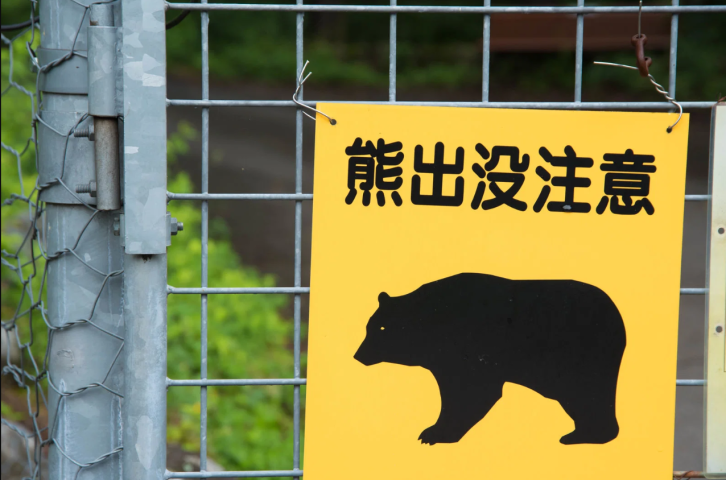
Increased bear sightings in Japan have led to a noticeable decrease in the number of mountain climbers, according to data collected by the behavioral big data platform Beacon Bank. In one region, mountain climbing activity has plummeted by 34 percent since 2024. As bears have become more frequent in human spaces across Japan, the government has increased safety measures and awareness campaigns.
The term "bear" was even chosen as Japan's 2025 Kanji of the Year due to the constant news coverage of bear encounters. Beacon Bank analyzed climbing trends at 100 Famous Mountains in Japan, tracking movement patterns during the spring season when bears are active. On a national level, the number of climbers had decreased by 18 percent since 2024, with no significant change in the latest data.
However, the most dramatic drop was observed in the northeastern Tohoku region, where bear sightings spiked since 2023, leading to a 34 percent decrease in climbers. This drop was attributed to bears venturing into more urban areas due to a poor harvest of acorns and nuts. On an individual mountain level, Mt. Hachimantai in Tohoku's Iwate Prefecture saw the largest drop in climbers by 46 percent, while Mt.
Kaimon in Kyushu's Kagoshima Prefecture saw an 18-percent increase. While the data doesn't definitively prove that increased bear sightings caused the decrease in climbers, it suggests that locals are taking precautions and avoiding mountain climbing activities.
Written by urgent.news from SoraNews24's reporting — not their text. Machine-written — may contain errors; check the original before relying on it.