Culture, welfare and politics clash over Sri Lanka’s long-delayed animal welfare law
KANDY, Sri Lanka – The famous Kandy Esala Perahera procession is one of Sri Lanka’s most vibrant religious-cultural celebrations, which transforms the hill capital into a spectacle of color, music, dance and caparisoned elephants to honor the tooth relic of the Buddha. But as the country prepared for this year’s Esala Perahera, which started on […]
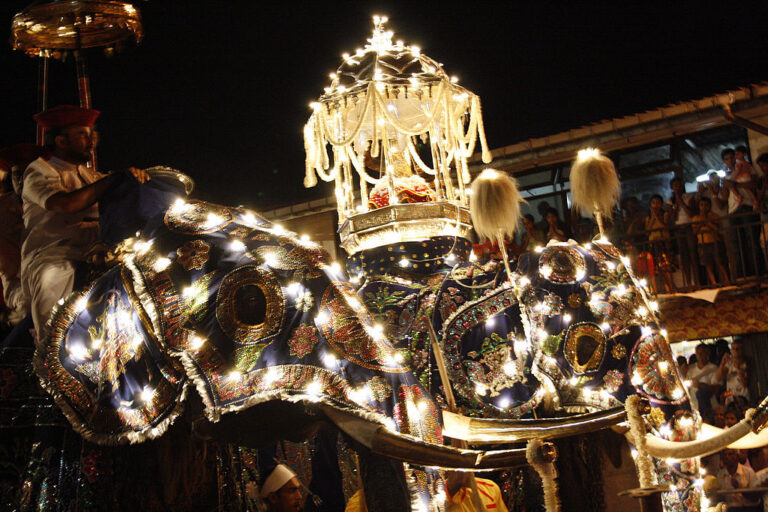
Kandy Esala Perahera, a vibrant religious-cultural celebration in Sri Lanka, is set to begin on August 18. The procession features caparisoned elephants, transforming the hill capital into a spectacle of color, music, dance, and traditions. However, the country is currently debating the fate of its captive elephants amidst the preparations.
At the heart of the controversy is Sri Lanka's lengthy-awaited Animal Welfare Bill, which has been in legal limbo for nearly two decades before finally gaining government approval in July.
Opponents of the bill argue that it could potentially prohibit the chaining of elephants, a practice essential for their participation in religious ceremonies. Critics fear that the law could disrupt centuries-old Buddhist traditions, raising concerns about the future of these revered animals in cultural events. Animal welfare groups, on the other hand, maintain that the bill does not explicitly ban chains but aims to prevent cruelty to animals and improve their overall care standards.
Ashoka Dangolla, a veterinarian at the University of Peradeniya who has worked with Kandy Perahera elephants for over two decades, expressed concerns about the ambiguities within the bill, fearing that it may restrict the use of elephants in major cultural events.
The debate surrounding the bill has drawn attention from politicians, Buddhist monks, veterinarians, lawyers, and animal welfare advocates who are all grappling with the potential implications for Sri Lanka's cherished tradition of using elephants in religious processions.
Written by urgent.news from Mongabay's reporting — not their text. Machine-written — may contain errors; check the original before relying on it.