Classic vintage film cameras: The Glunz Ingo – Who? What? Where and Why?
John Wade discovers a camera you might not have seen before from a company you’ve probably never heard of The post Classic vintage film cameras: The Glunz Ingo – Who? What? Where and Why? appeared first on Amateur Photographer .
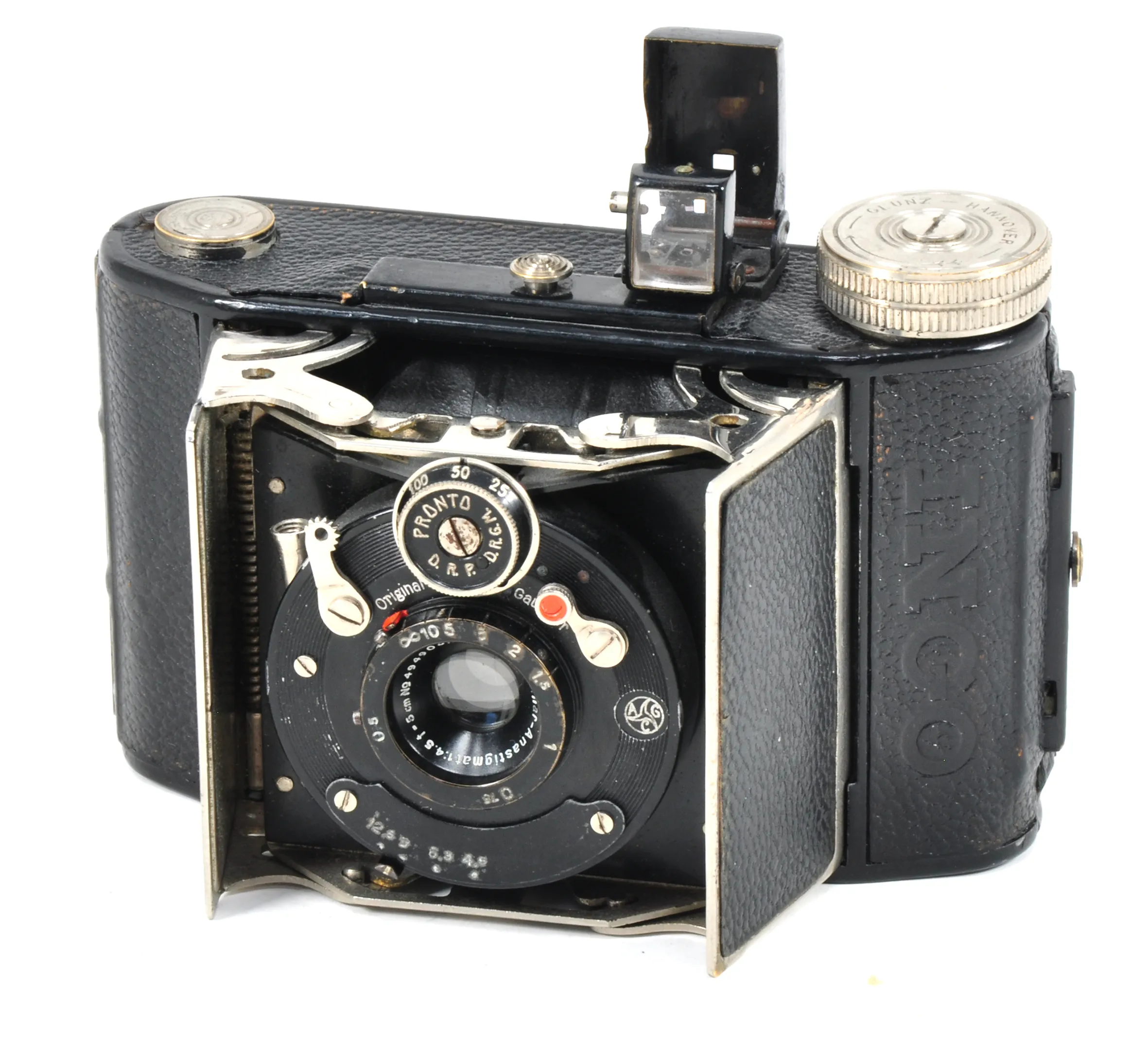
The Glunz Ingo, a folding camera from Germany, was launched in 1937 and priced between £15-20 at its debut. Today, it commands a guide price of £130-170. The Ingo diverged from the company's typical production of folding plate cameras, as it utilized a unique 16-on-127 format.
This format originated from the English Ensign company's 1922 Cupid camera, which utilized a device to double 120 size roll film from six 6x9cm images to 16 6x4cm images. After Ensign's patent expired in 1930, Zeiss Ikon adapted this concept for 127 size film. The Ingo, being a smaller and more portable version of this design, is easily pocketable when folded.
Measuring 11x7x3cm when folded, the camera features a Rodenstock 5cm f/4.5 lens with a focusing range down to 0.75m. Shutter speeds range from 1/25-1/100sec, and the camera is equipped with a shutter lever or cable release for triggering shots, as well as a delayed action feature via a lever opposite the lens. The viewfinder folds up from the top of the body, providing convenience for photographers.
Despite its innovative design, the Ingo's delicate barn doors mechanism and potential light leaks from the bellows are noted as drawbacks. While contemporary 127 film may be available from specialist dealers, making the Ingo quite usable, the camera's rarity as a Rodenstock variant further contributes to its appeal among collectors.
Written by urgent.news from Amateur Photographer's reporting — not their text. Machine-written — may contain errors; check the original before relying on it.