Children make up half of mpox cases in Guinea-Bissau as epidemic spreads
West African country reports 46 suspected cases in outbreak declared in July, amid fears virus may be spreading undetected More than half of the mpox cases reported in Guinea-Bissau have been among children, local authorities have said, almost two months since the country announced an epidemic. A national outbreak was declared on 4 July, just over a week after a 27-year-old woman became the first…
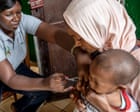
In Guinea-Bissau, where an mpox epidemic has been declared, children are accounting for roughly half of the reported cases, according to local authorities. This follows a national outbreak declaration on July 4, just a week after the first confirmed case, a 27-year-old woman, was identified. As of now, there have been seven confirmed cases and 46 suspected ones, with 16 of those patients under the age of four.
Unicef has expressed concern over the situation, warning that the country's fragile health surveillance systems likely mean the virus is spreading undetected, leaving more children at risk. Sandra Martins, Unicef's deputy representative, emphasized that this marks the first time mpox has been reported in Guinea-Bissau, making even a small outbreak a significant public health event.
The disease, which spreads through close contact, has resulted in more than 2,000 deaths across Africa since January 2024. Health officials note that the Clade variants of the virus are consistent with those circulating in neighboring countries, suggesting a strong risk of cross-border transmission. The majority of confirmed cases are in the Bissau autonomous sector, which houses the capital, while one case has been reported in the Biombo area.
As of now, no deaths have been reported. Dr. Magda Robalo, a former health minister who led the country's Covid-19 response, stressed the need to prioritize increased surveillance and reinforce frontline capacity to eliminate the biggest gaps in the health system. Despite the relatively small number of cases, ongoing transmission is evident, with new cases appearing intermittently over several weeks.
The outbreak occurs amid the country's ongoing infrastructure challenges and the aftermath of the suspension of last November's presidential election by the military, which remains in power. The country has also been grappling with power outages, such as the complete blackout of electricity in Bissau on Thursday due to petrol scarcity since the weekend.
Although many public health laboratories in the region lack the necessary equipment to handle epidemics, they possess institutional knowledge from managing other crises. In Guinea-Bissau, this knowledge is crucial, but there is also a sense of urgency, as primary schools are set to reopen across the country in September. Following the outbreak declaration, community health workers immediately launched a door-to-door public awareness campaign using megaphones and translated leaflets, supported by the health ministry and international agencies.
These grassroots efforts are crucial for building public trust in the public health sector. Earlier this year, the country controversially suspended a US-funded trial on hepatitis B vaccinations for newborns, citing ethical concerns and procedural flaws, a decision that garnered support across the continent and highlighted sensitivities around emergency health interventions.
Written by urgent.news from The Guardian's reporting — not their text. Machine-written — may contain errors; check the original before relying on it.