California farmers battle Argentine ants that protect other crop pests
Invasive Argentine ants have formed a unique symbiotic relationship with sap-feeding insects, creating challenges for citrus groves and vineyards. First spotted in the U.S. in 1891, their expansion is aided by California's favorable climate and human activity. To effectively manage the situation, it's crucial to tackle both the ant populations and their pest partners as interconnected issues.
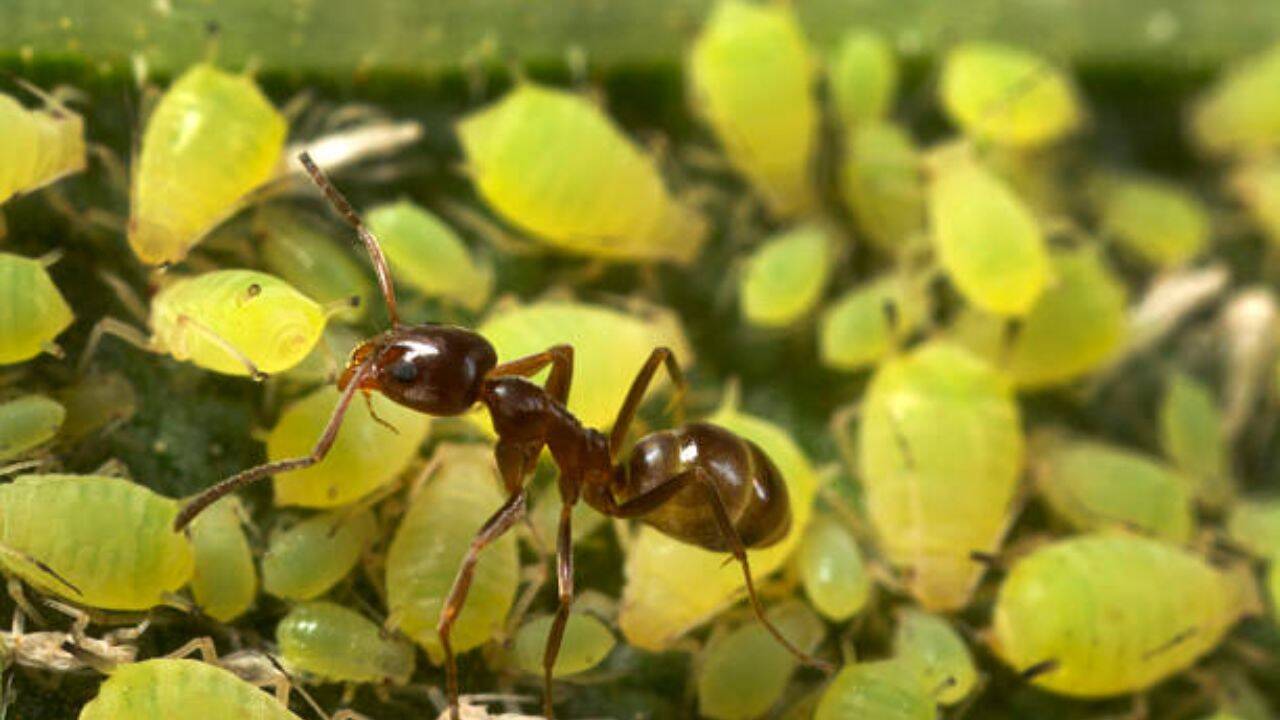
Argentine ants, an invasive species originating from South America, have established a troubling presence in California, where they now act as protectors for other crop-destroying pests. The ants, which first appeared in the United States around New Orleans in 1891, were first identified in California by 1907. According to a report by econews, these ants are undermining the natural balance of ecosystems by shielding aphids, mealybugs, scales, whiteflies, and psyllids from their usual predators and parasites.
The Argentine ants' journey to California was facilitated by the state's mild coastal climate, irrigated farms, landscaped suburbs, leaky pipes, and regularly watered gardens, providing ideal moisture and food sources that allow colonies to thrive. In their native habitat, neighboring ant colonies frequently engage in territorial disputes.
However, in California, a genetic bottleneck reduced genetic variation in the introduced population, leading to a decrease in aggression and allowing nests across a wide area from San Diego to Ukiah to cooperate and form a single, large colony.
The cooperative nature of the Argentine ants poses a significant threat to citrus groves, vineyards, nurseries, and backyard plants. These ants collect honeydew, a sugary waste produced by sap-feeding insects, and defend them from predators and parasitoid wasps, sometimes even moving these insects to more favorable locations. This protective behavior can be detrimental to crop production, as parasitism of California red scale, a pest typically controlled by natural enemies, is significantly reduced when Argentine ants are present.
The issue is particularly problematic for farmers growing citrus and grapes, as Argentine ants can interfere with irrigation by clogging sprinklers. In practical terms, growers may attempt to conserve beneficial insects yet still witness ineffective results while ant trails persist. To achieve effective management, it is crucial to address both the ants and the honeydew-producing pests as a connected problem, rather than treating each issue independently.
Beyond the agricultural sector, Argentine ants displace larger native species, affecting the menu for animals such as the coast horned lizard, which heavily relies on native ants and suffers when its preferred prey is absent. New research from UC Riverside suggests that two common bait toxicants used to control Argentine ants have contrasting effects.
Boric acid increases clustering inside the nest and suppresses outside activity, while thiamethoxam drives more workers to the foraging area. However, the study found that queens may still survive, and a sudden increase in visible ants does not necessarily indicate a failed bait.
Written by urgent.news from Times of India's reporting — not their text. Machine-written — may contain errors; check the original before relying on it.