‘BMI 25 미만’ 왜 위고비·마운자로 안 될까? [유레카]
The criteria for officially prescribing 'GLP-1' (glucagon-like peptide-1) series weight-loss drugs are two-fold: patients with a body mass index (BMI) of 30 or higher are considered obese, while those with a BMI between 27 and 30 who also have high blood pressure or other weight-related conditions are categorized as overweight. However, hospitals are readily offering 'off-label' prescriptions to facilitate weight loss, and international shipping makes it easy to receive these medications without a prescription, leading to an increase in misuse for cosmetic reasons.
Weight-loss drugs from the GLP-1 series are not recommended for individuals with normal or low body weight, as their safety and effectiveness have not been established in these cases. Clinical trials involving Western obese individuals have not been conducted, and therefore the effects and safety of using these drugs in patients with a lower BMI have not been verified.
A joint research team from Korea and Thailand found that the use of semaglutide (a component of GLP-1) for 10 months in overweight adults with a BMI of 25 or higher resulted in an average weight loss of 16%. When we consume food, our bodies release the insulin-releasing hormone termed incretin. Incretin is one of the components of GLP-1, and it is produced in the lower part of our intestines.
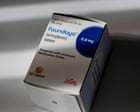
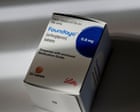
Semaglutide, a component of the drug 'Semaglutide', mimics incretin, reducing appetite and increasing feelings of fullness while also helping to regulate insulin levels and promote weight loss. On the other hand, the component 'Tirzepatide' in 'Mounjaro' not only mimics incretin but also mimics a hormone called GIP (glucose-dependent insulinotropic polypeptide) produced in the upper part of our intestines.
These drugs stimulate the beta cells in the pancreas to release insulin, which helps to achieve weight loss by suppressing appetite and increasing feelings of fullness. People may feel that Mounjaro is more effective at weight loss than Semaglutide, likely due to the additional action of GIP. The approval of GLP-1 series drugs by the US Food and Drug Administration (FDA) and the Korean Food and Drug Administration (KFDA) does not guarantee that they are free from side effects.
Part of the reason for side effects is that GLP-1 and GIP receptors are distributed throughout the body, not just in the brain. When the hormone stimulates the gastrointestinal tract, it can cause digestive issues such as diarrhea and vomiting. Activation of the GLP-1 receptor in the brain, as well as its effect on the reward circuit (dopamine system), can lead to fatigue and weakness.
Rare but serious side effects include severe gastrointestinal diseases, pancreatic disorders, acute kidney injury, and thyroid cancer. However, if weight-loss drugs are not being used for the purpose of treating obesity, individuals may unexpectedly develop serious illnesses as a result of their quest for quick and easy weight loss.
Written by urgent.news from Hankyoreh's reporting — not their text. Machine-written — may contain errors; check the original before relying on it.