Attacks on Red Cross in DR Congo making Ebola fight ‘harder’
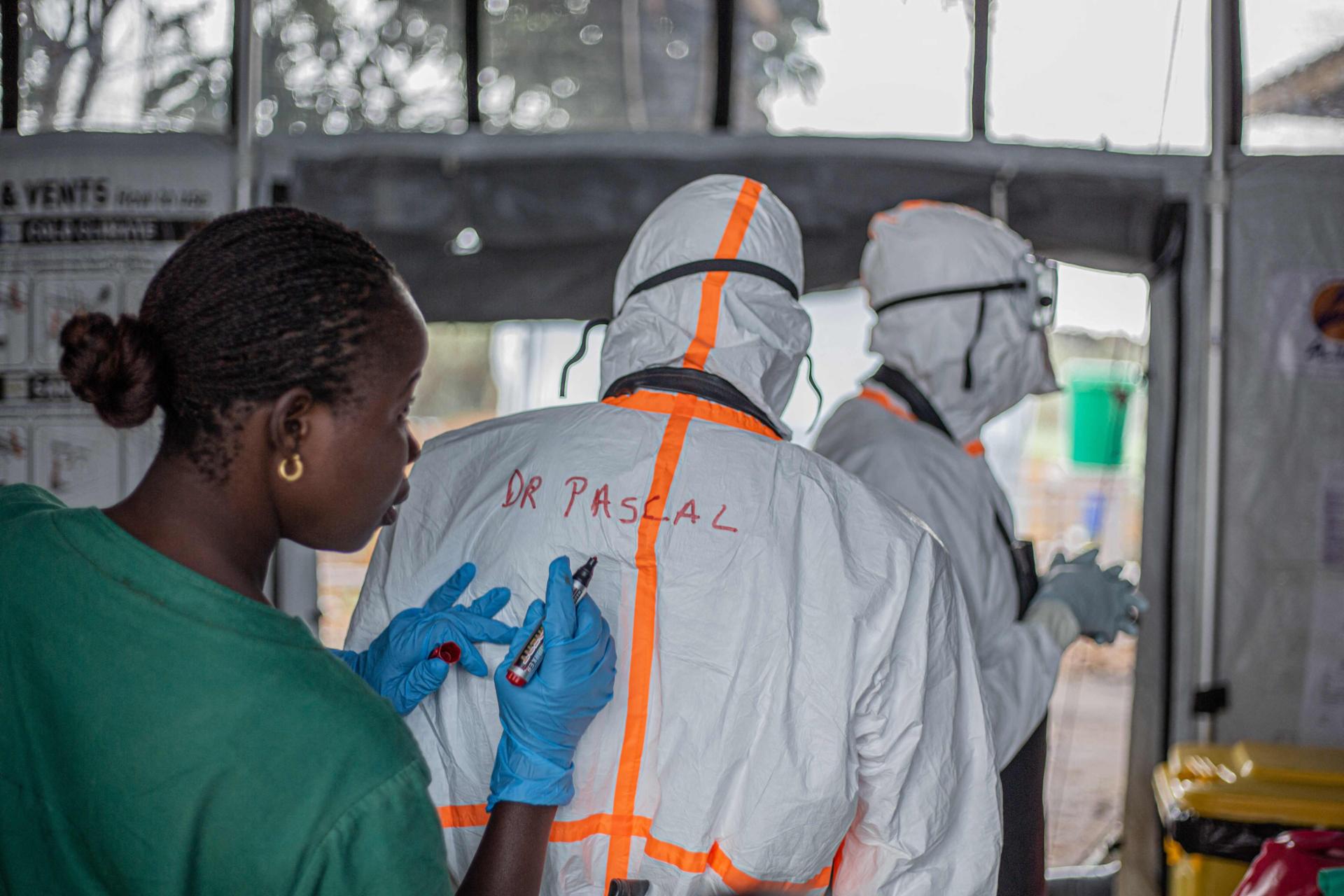
The Red Cross on Monday voiced alarm after six workers were injured in attacks in Ituri and Haut-Uele provinces last week.
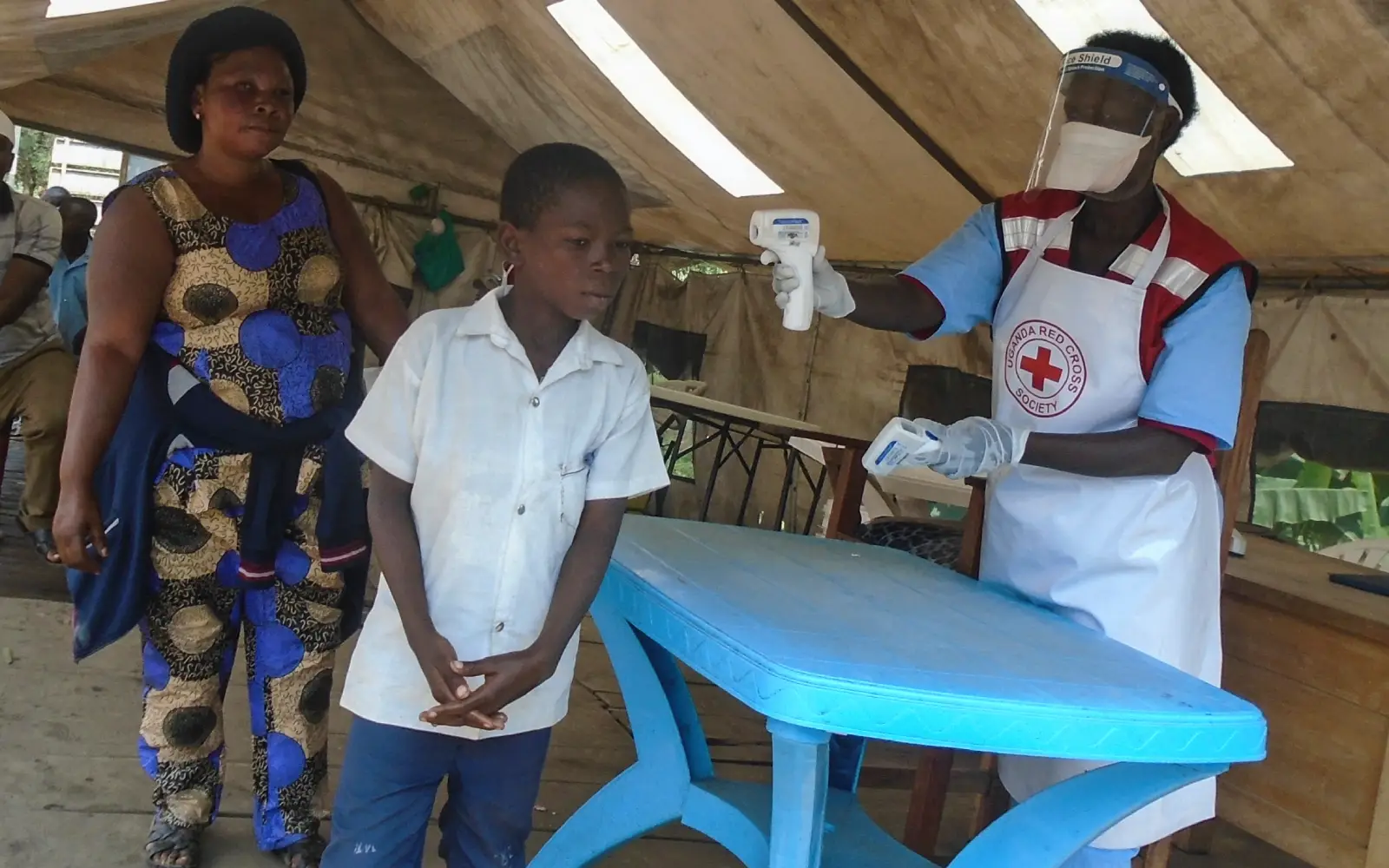
The International Red Cross and Red Crescent Movement expressed concern on Monday following attacks on six workers battling a deadly Ebola outbreak in the Democratic Republic of Congo (DRC). These incidents raise the difficulty of controlling the epidemic, according to the statement released by the humanitarian organization.
On August 17, a Ugandan Red Cross convoy supporting the Ebola response was targeted in Ituri province, the outbreak's center. One person was seriously injured, and two ambulances were damaged. The following day, two Ebola volunteers were injured while conducting a burial in Haut-Uele province, with two vehicles also vandalized.
On Wednesday, in Beni, North Kivu province, three more volunteers were attacked and injured, and their Ebola response equipment was destroyed. The Red Cross emphasized that these attacks highlight the grave risks faced by humanitarian personnel during epidemics and emergencies. The organization stressed that respect for humanitarian personnel and activities is crucial for communities to receive urgent assistance and services during crises.
Since the Ebola outbreak was declared on May 15, 12 volunteers have been injured, ambulances damaged, and emergency response equipment destroyed in 11 violent incidents. The Red Cross called upon communities, local leaders, and all relevant stakeholders to support, respect, and protect humanitarian action. Humanitarian workers, volunteers, and health staff must be able to carry out their work safely, without fear of violence, intimidation, or threats.
The Ebola virus has primarily affected regions in the north and east, where health infrastructure is lacking, and armed groups have been active for decades. The outbreak is the largest in the DRC's history, with no vaccines or treatments available. It is caused by the Bundibugyo species of the virus, which spreads through contact with bodily fluids. Due to the nature of the virus, burials must be strictly supervised, as corpses can remain contagious.
Written by urgent.news from Free Malaysia Today's reporting — not their text. Machine-written — may contain errors; check the original before relying on it.
This story
This is one outlet's version. Read the fullest account.
- Attacks on Red Cross in DR Congo making Ebola fight 'harder' koreatimes.co.kr
- Pope calls for more efforts to stop Ebola in DR Congo channelnewsasia.com
- Attacks on Red Cross in DR Congo making Ebola fight ‘harder’ freemalaysiatoday.com