As Russian drone incursions escalate, NATO weighs costs of shooting back
For years, NATO countries have watched Russian drones breach their airspace, reluctant to shoot them down for fear of escalation. That restraint is now beginning to erode. After Russian drones killed civilians in Romania, while Russian electronic jamming continued diverting Ukrainian drones toward critical infrastructure in the Baltic region, NATO fighter jets finally began shooting intruders…
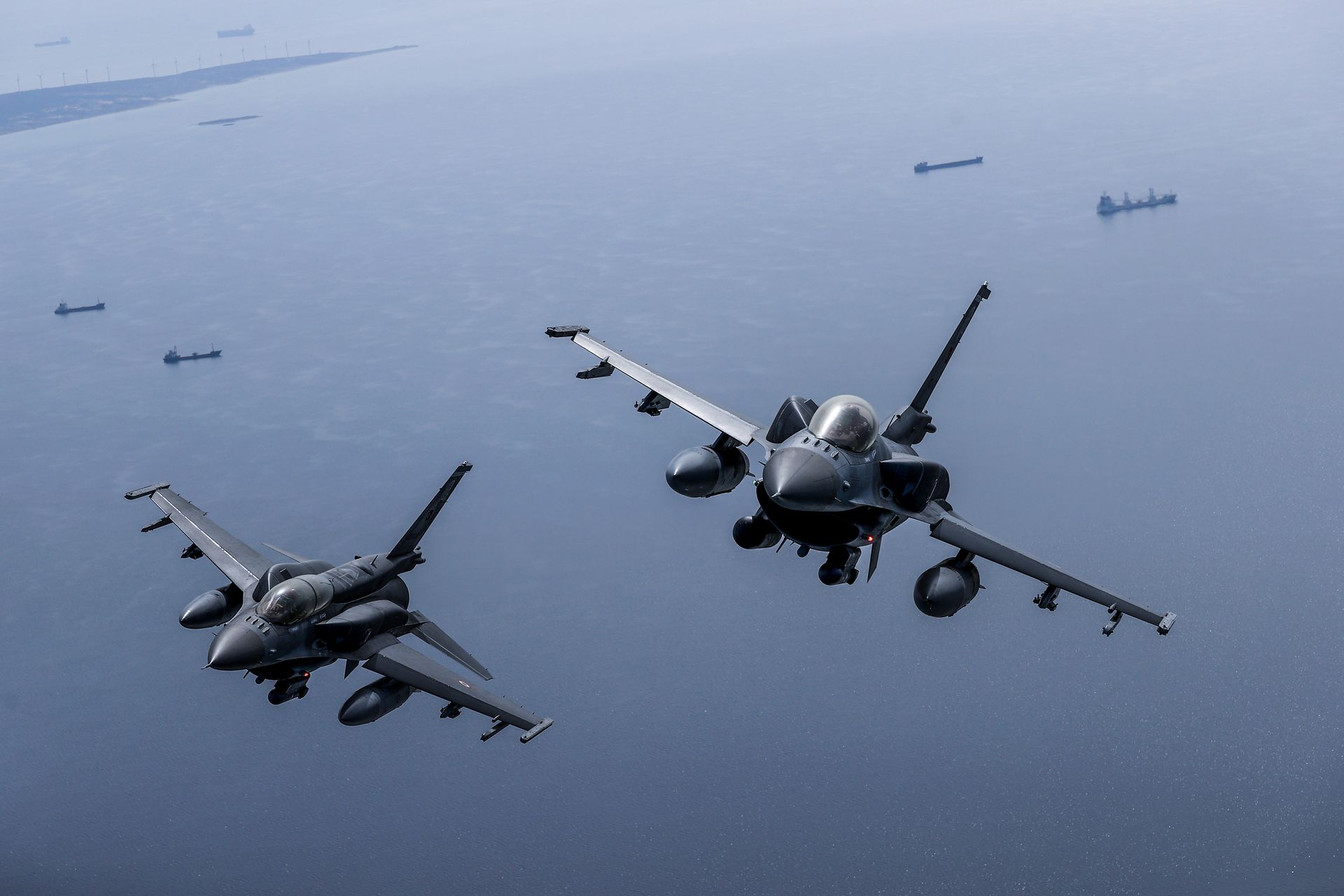
NATO countries have long watched Russian drones violate their airspace, but unwilling to shoot them down out of fear of escalating conflicts. However, the situation changed when Russian drones killed civilians in Romania and continued to divert Ukrainian drones towards critical infrastructure in the Baltic region. NATO fighter jets began shooting intruders down.
The Romanian city of Galati experienced a residential building struck by a drone overnight on May 29, 2026, during a nationwide air raid alert in Ukraine. While expensive air-to-air missiles might seem like a solution to destroy cheap, one-way Russian drones, it is not a sustainable option. Europe now faces the challenge of creating a new, cost-effective drone shield to protect its eastern borders from persistent Russian incursions.
Overcoming technological obstacles, improving cross-border coordination and military service integration, and demonstrating political will to invest in defensive architecture are crucial hurdles. Russian drones have been crashing on Romania's Danube River border since 2023, while Moldova and Poland have also been impacted. In September 2025, NATO fighter jets downed four of about 20 Russian drones in Polish airspace for the first time.
Turkey also downed a drone nearing its airspace across the Black Sea. After a Ukrainian drone struck a building in Galati, Romania shot down a Shahed-type drone with an F-16, setting a precedent among NATO members. Western officials suspect some incursions may be deliberate provocations, while others may have simply gone off course.
The initiative to strengthen Europe's response includes NATO's Eastern Sentry, the EU's European Drone Defense Initiative (EDDI), and country-specific projects like Poland's Eastern Shield. While fighter jets are currently handling interceptions, the development of dedicated counter-drone systems is ongoing, with NATO nations exploring various options such as interceptor drones, homegrown solutions, and advanced electronics.
Written by urgent.news from Kyiv Independent's reporting — not their text. Machine-written — may contain errors; check the original before relying on it.