As cervical cancer rates fall, HPV is causing more throat and mouth cancers in men — why?
HPV vaccination is helping knock back cervical cancer rates, but meanwhile, mouth and throat cancers caused by the virus are up in men. Here's what to know.
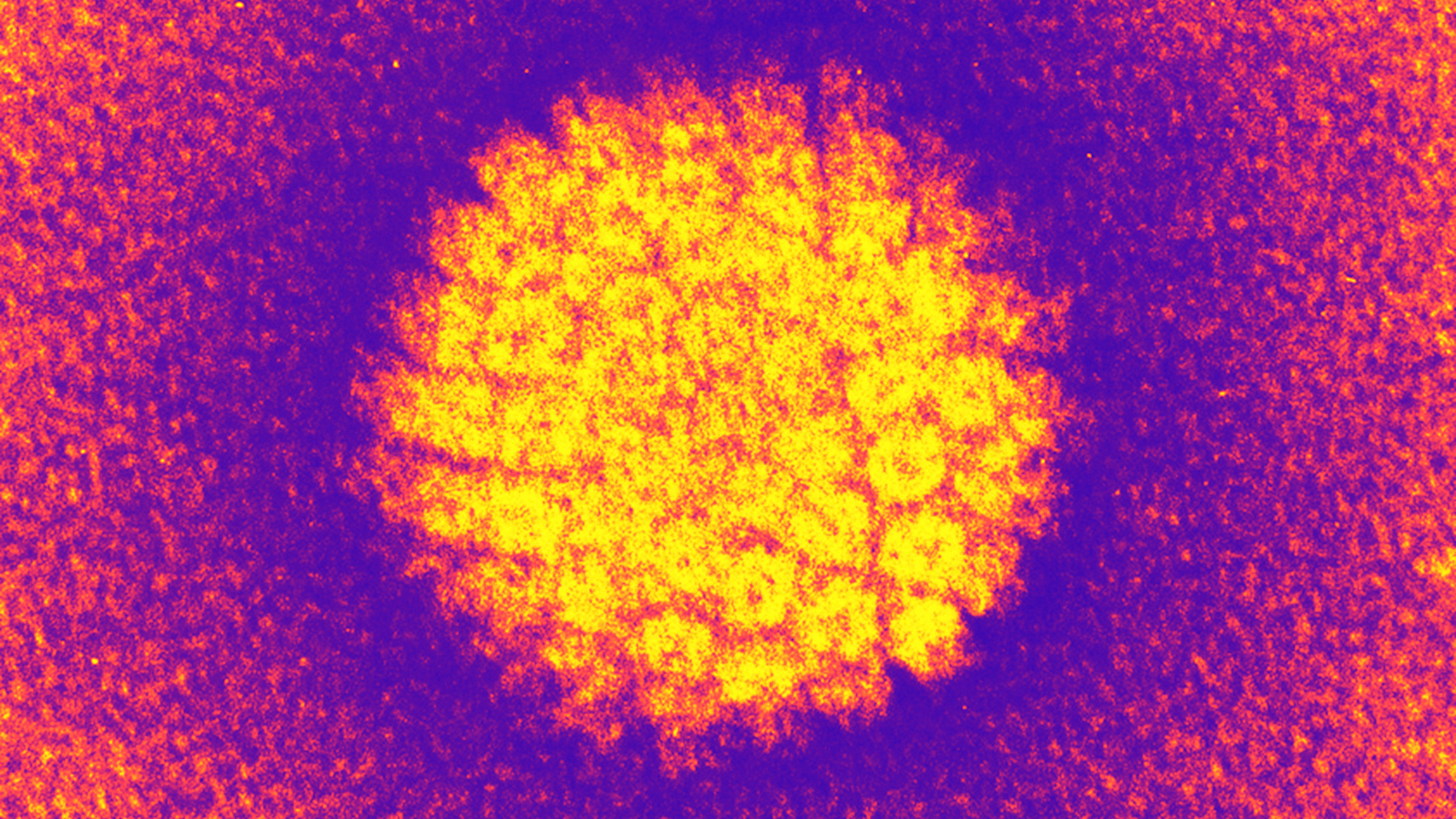
As cervical cancer rates decline due to HPV vaccination, HPV infections are leading to a rise in throat and mouth cancers among men. These cancers, known as oropharyngeal cancers, specifically affect the back of the throat, tonsils, and tongue. A 2023 study revealed that cases of HPV-related oropharyngeal cancer had tripled between 1988 and 2004, predominantly in male patients.
This trend continues globally, with a Danish study finding a similar tripling between 2000 and 2017. HPV, an umbrella term for various viruses, is primarily transmitted through sexual contact, including oral sex. Most sexually active adults contract the virus, yet most immune systems clear it within a year or two. However, in some individuals, HPV persists and damages DNA, leading to cancer.
There are 12 high-risk HPV types, with types 16 and 18 causing most cancers. Oropharyngeal cancer rates among men have surged, with 13,600 new cases annually, compared to 2,400 in women. Despite vaccination and screening efforts, oropharyngeal cancer rates are expected to decline over time. However, older individuals who did not receive the vaccine as youth remain at risk.
Men are more susceptible to oropharyngeal cancer due to higher oral HPV infection rates and slower clearance of the virus. Due to the absence of screening methods, most oropharyngeal cancer cases are diagnosed post-symptom onset. While treatment response rates are high, side effects from radiation can be severe. HPV vaccination should also reduce the incidence of other HPV-related cancers in the future.
Written by urgent.news from Live Science's reporting — not their text. Machine-written — may contain errors; check the original before relying on it.