Are Malaysian universities ready for neurodivergent students — Faizanah Abdul Alim Sidique
AUGUST 24 — In June 2026, Higher Education Minister Datuk Seri Dr Zambry Abd Kadir made an important point about d...
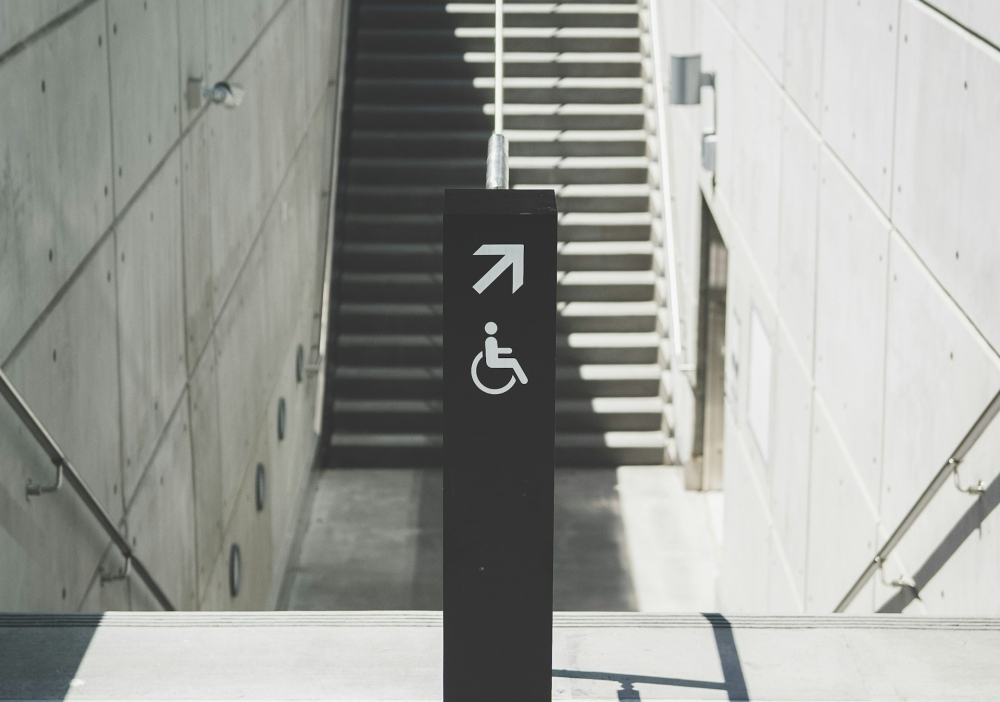
On August 24, 2026, Higher Education Minister Datuk Seri Dr Zambry Abd Kadir emphasized the importance of translating disability inclusion policies into actionable measures within Malaysian universities. With the upcoming Rancangan Pendidikan Tinggi Malaysia 2026–2035, inclusive access and a more human-centric higher education system have been identified as key priorities for the next decade.
While visible disabilities like ramps and accessible toilets are easily recognized, Malaysia must also consider less visible needs, such as those of neurodivergent students.
Neurodivergence refers to neurological differences in information processing, attention regulation, learning, communication, and environmental experiences. While not an official disability category in Malaysia, conditions like autism, ADHD, and dyslexia are recognized within the learning-disability category. In July 2026, Deputy Education Minister Wong Kah Woh reported that over 161,000 students with special educational needs were registered, including more than 53,000 autistic students, 24,000 students with learning disabilities, and 13,000 with ADHD.
As these learners progress to higher education, universities must prepare for the less visible challenges they may face. Behaviors like inattention or distress from unexpected changes may stem from difficulties in attention regulation or sensory processing. Universities should focus on addressing environmental factors that hinder participation, such as unclear assignment expectations, noisy learning environments, or abrupt changes in instructions.
These adjustments do not compromise academic standards but ensure students can demonstrate required competencies.
The minister's call for meaningful implementation stresses that inclusion extends beyond physical accessibility. Universities need to ensure students can participate, learn, and showcase their knowledge, regardless of their neurodivergent needs. While all academic staff do not need to become clinicians, they must develop awareness to recognize and accommodate diverse learning styles and processing differences.
By fostering greater clarity, predictability, and flexibility in university structures, Malaysia can better support its neurodivergent students in a decade of expanded higher education.
Written by urgent.news from Malay Mail's reporting — not their text. Machine-written — may contain errors; check the original before relying on it.