Analogue paneer: How is it different from regular paneer? Price gap, home tests, why it was banned and how it’s made
Maharashtra, Gujarat, Chhattisgarh, Madhya Pradesh, Himachal Pradesh, Uttarakhand and Karnataka are among the states that have taken action against analogue paneer.
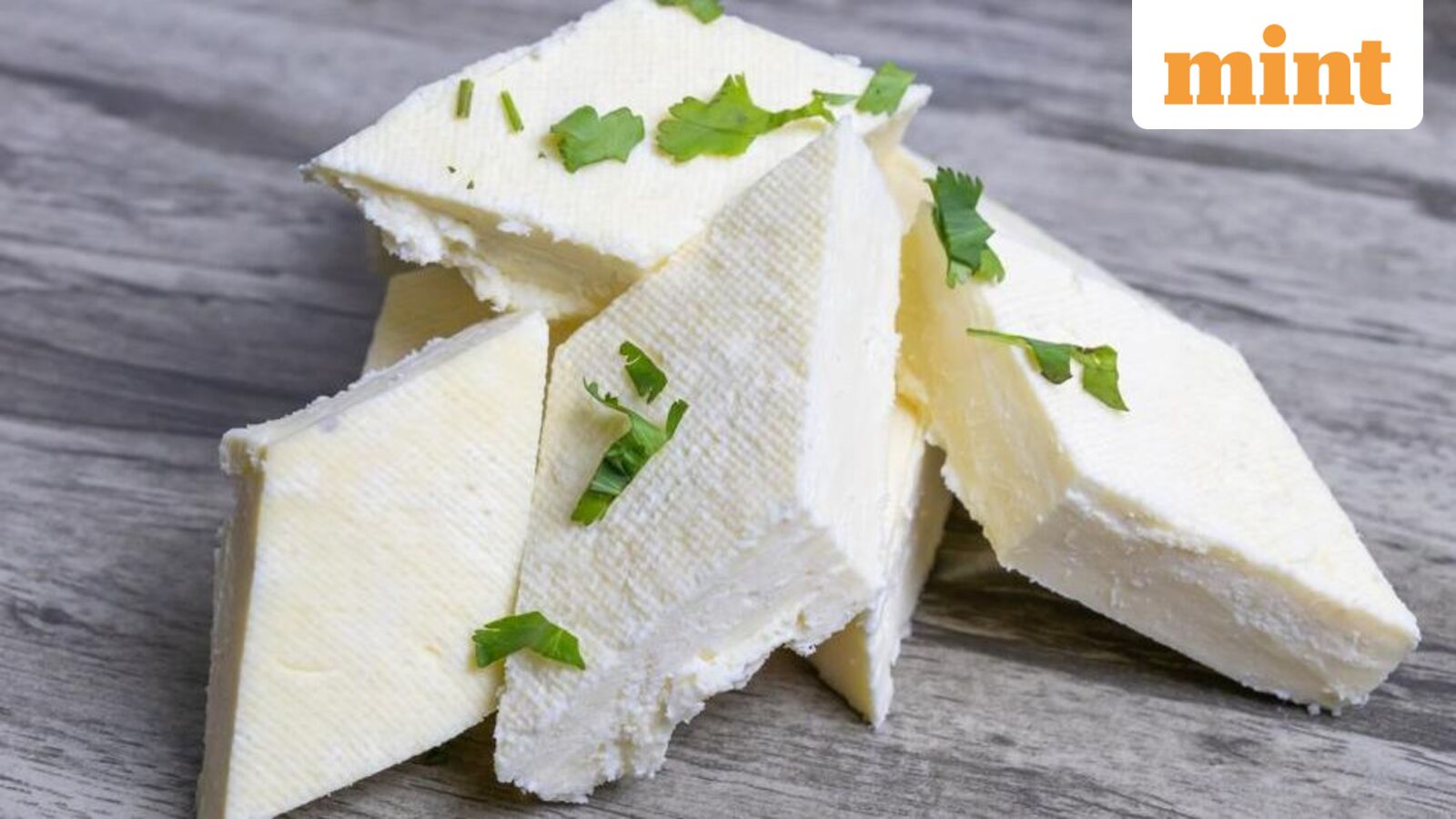
Analogue paneer differs from regular paneer primarily in its ingredients. Traditional paneer is crafted from fresh, full-fat cow's milk, while analogue paneer may incorporate substitutes such as vegetable oils, starches, emulsifiers, and other non-milk ingredients. This difference is underscored by the Food Safety and Standards Authority of India (FSSAI), which defines analogue food products as those where milk constituents are partially or wholly replaced with non-milk ingredients.
Consequently, analogue paneer is not entirely derived from milk, nor does it match the texture, taste, or nutritional profile of genuine paneer.
Analogue paneer often contains cheaper ingredients like vegetable fats and starches, which may lower its nutritional value compared to traditional paneer. This substitution can result in a product with a rubbery or crumbly texture and a less creamy taste. Concerns have also been raised regarding the presence of higher sodium levels and reduced nutritional value in analogue paneer.
In response to rising concerns over the production and sale of analogue paneer, several states, including Maharashtra, Gujarat, Chhattisgarh, Madhya Pradesh, Himachal Pradesh, Uttarakhand, and Karnataka, have implemented bans or restrictions. These actions aim to protect public health and prevent consumer deception, as analogue paneer is often marketed as paneer despite its non-dairy composition.
The FSSAI further recommends several home tests to help consumers identify suspicious paneer, including the taste and texture check, the food label inspection, the hand pressure test, and the iodine test. However, these tests are not definitive and should be followed by professional laboratory analysis if a consumer suspects adulteration.
The ban on analogue paneer is expected to impact the food industry significantly, particularly small food stalls, cafes, and cloud kitchens that previously relied on cheaper substitutes. With businesses now required to use pure milk paneer, the cost of dishes incorporating paneer, cheese, and butter is anticipated to rise, with prices potentially increasing by ₹20-60 for certain dishes.
This price increase is primarily attributed to the higher cost of genuine dairy products, which will likely burden consumers with higher food expenses.
Written by urgent.news from Live Mint's reporting — not their text. Machine-written — may contain errors; check the original before relying on it.