America’s energy sector will need 500,000 more workers by 2030 thanks to AI—but unless more workers retrain, humanoid robots will have to step in
America’s energy sector is thriving thanks to AI. The only issue? There aren’t enough workers to meet the demand.
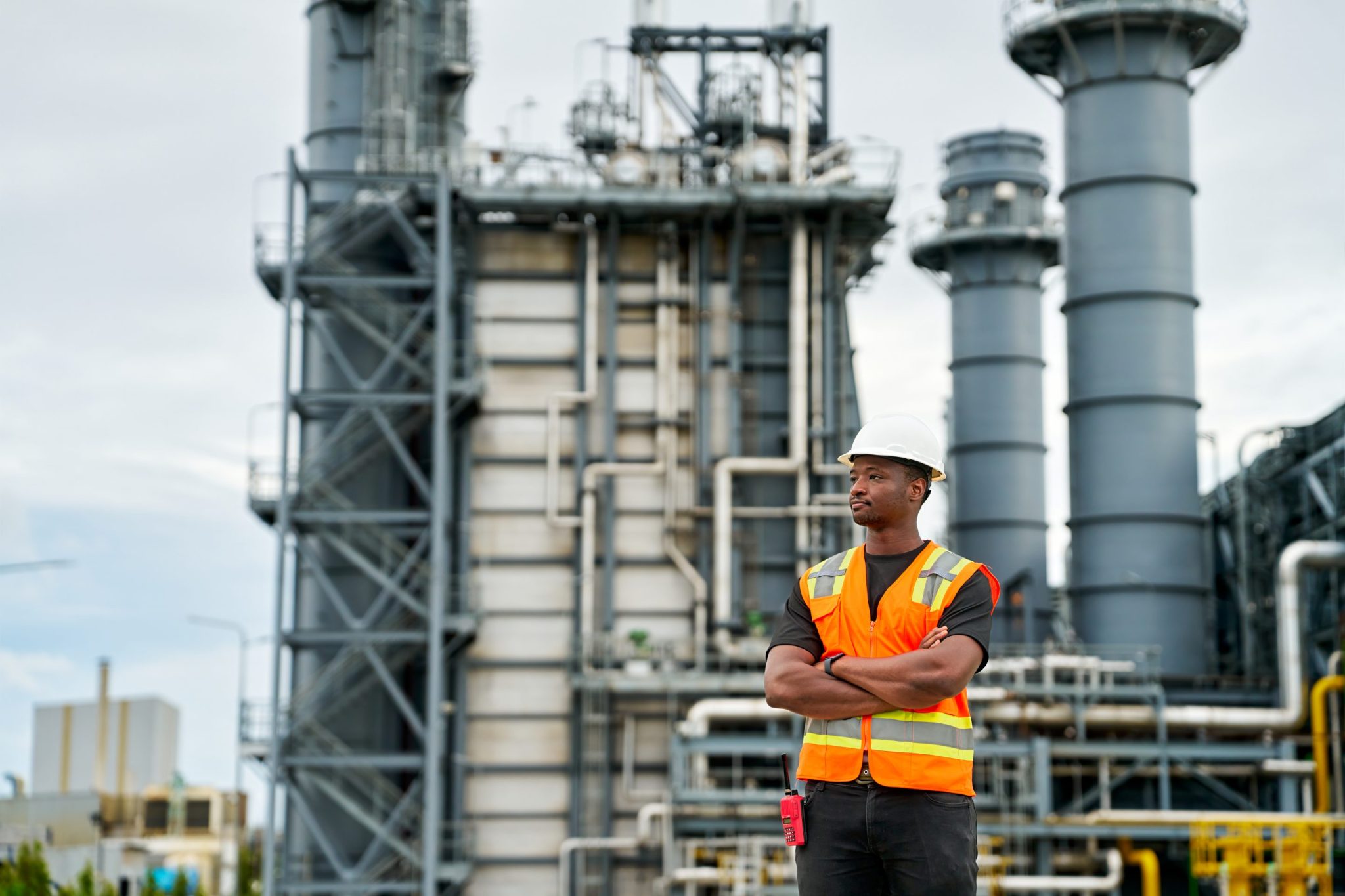
The U.S. energy sector requires about 500,000 more workers by 2030, according to a Goldman Sachs report. The demand for these positions, which often need three to four years of training, creates a significant barrier in skilling up the workforce to meet growing demands. Currently, the energy apprenticeship pipeline only has 45,000 entrants per year, but a total of 65,000 professionals are needed annually to bridge the labor supply gap.
Furthermore, the growing interest in AI, specifically humanoid robots, may exacerbate the labor shortage. Goldman Sachs notes that the technical workforce for constructing, wiring, cooling, and securing energy infrastructure is in high demand. However, training such workers cannot keep pace with the capital being committed to the industry.
As of 2024, the energy sector employed around 8.5 million workers in the U.S., earning a median wage of $58,810 annually. More lucrative careers include traditional fuel production, which pays an average salary of $65,400, and power plant operators, who earn roughly $103,600 yearly. While these jobs typically do not necessitate a costly college degree, specialized training and on-the-job experience are essential.
The report suggests that if worker supply cannot keep up, autonomous equipment and humanoid robots may be required to help alleviate the burden. By 2035, around 1.4 million humanoid robots are expected to enter the market, with the market for these robots projected to grow from 20,000 in 2025 to 1.4 million by 2035—a 6,900% increase within a decade.
Some Chinese AI developers, such as Unitree and UBTECH, are making progress in this area, with commercial deployment expected between 2027 and 2029. Other autonomous equipment, like Deere's field systems and Caterpillar's mining platforms, are already in use. Recently, Amazon unveiled its autonomous mobile warehouse robot, Proteus, and Tesla has integrated its Optimus humanoid robots into its manufacturing facilities for early factory tasks and assembly line work.
However, these human-like robots are still years away from widespread adoption. Building robots and factories requires substantial time and financial investment, and private equity firms and banks lack historical financial data to confidently invest in these projects. Companies are also still learning how to effectively utilize humanoids on a large scale.
While humanoid robots have not significantly impacted America's blue-collar workforce, experts predict that the market for these robots will expand from $3 billion today to $200 billion by 2035. Zornitza Todorova, a senior analyst at Barclays, projects that the technology is on the brink of a transformation, but believes the true potential of humanoid robots is still years away.
Nvidia CEO Jensen Huang also acknowledges the transformative potential of humanoid robots, but emphasizes that we are still in the early stages of understanding their capabilities. Meanwhile, China is already surpassing the U.S. in this regard, deploying robots in various energy sector roles. In 2022, a robot in Wuhan province performed maintenance tasks typically handled by a human professional, and robots in Guangzhou have taken over inspection duties previously done by human workers.
Earlier this year, China announced a $1 billion initiative through the State Grid Corporation of China to acquire around 8,500 AI-powered robots for national power grid inspection and maintenance.
Written by urgent.news from Fortune's reporting — not their text. Machine-written — may contain errors; check the original before relying on it.