ALMOST INTELLIGENT: The AI-human collision — balancing automation and accountability in the new workplace
Tech is transforming human resources processes as well as practitioners’ work scope and risks.
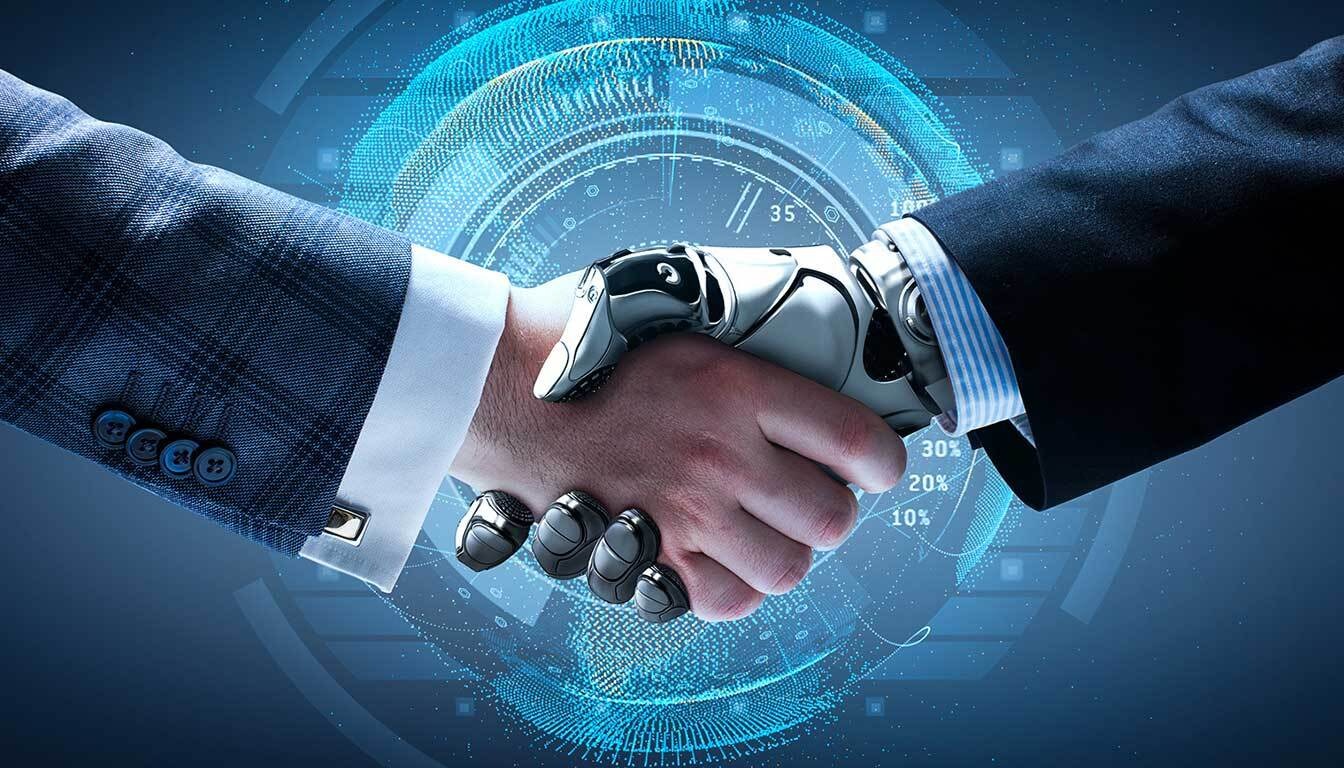
The article discusses the rapidly evolving intersection between artificial intelligence (AI) and human resources (HR), focusing on the fintech company Jem as a prime example. Jem, which initially provided wage processing services for retail clients, has pivoted to delivering comprehensive HR solutions through WhatsApp, powered by AI. This transition has led to a significant $8.4 million investment round led by Quona Capital, the University Technology Fund, E4E Africa, and prominent local angel investors.
The AI-driven HR platform developed by Jem utilizes an internal AI assistant to scan communication systems, such as Slack and internal messages, to flag when employees require assistance or celebrate important milestones like birthdays and work anniversaries. This technology aims to enhance personalization in human interactions, rather than replacing them, by freeing up human attention to make more tailored interventions.
However, the increased use of AI in HR raises concerns about data security and privacy, as sensitive HR, payroll, and financial data are being transmitted through consumer messaging networks. To address these concerns, Jem employs a multi-layer authentication protocol, including device biometrics, WhatsApp app lock, and document-level password protection.
Despite the belief that consumer messaging platforms like WhatsApp are inherently vulnerable, Jem asserts that they are secure and have the same level of security as email accounts.
As autonomous systems gain access to corporate resources, the traditional boundary between HR and cybersecurity has blurred. According to KnowBe4 Africa, a cybersecurity firm, 96% of organizations now manage AI governance and risk across their entire operations, with 71% of security leaders ranking AI as their primary point of friction.
This shift has resulted in 64% of South African organizations reporting unapproved or ungoverned AI use, and 38% of local security leaders stating that AI agents are already executing autonomous actions in workflows.
To mitigate the legal and compliance risks associated with AI adoption, HR and security leaders must collaborate to enforce machine identity management, AI orchestration literacy, and runtime governance, aligned with frameworks like ISO 42001. Furthermore, the article highlights the growing importance of diverse skill sets in this new landscape, with employers increasingly seeking candidates proficient in analytical thinking, problem-solving, psychology, and behavioral economics to govern human-machine interactions.
To ensure successful integration of AI in the workplace, HR and security leaders must redesign organizational governance, culture, and employee enablement. This includes transitioning from a top-down AI implementation model to a citizen developer framework, which emphasizes the active involvement of employees in AI-driven processes.
Written by urgent.news from Daily Maverick's reporting — not their text. Machine-written — may contain errors; check the original before relying on it.