AI-driven upgrade of communications energy storage empowers a new energy ecosystem for multiple industries
SPONSORED FEATURE: Embedding AI at communication sites to empower energy optimization, power grid stability control and low-carbon development
AI-driven upgrades in communications energy storage are transforming the energy landscape for various industries. While AI datacenters have driven a significant increase in electricity consumption, telecommunications networks, particularly 5G infrastructure, are also major energy consumers. The International Energy Agency predicts that total datacenter energy consumption will double between 2025 and 2030 to 950 TWh, while AI datacenter consumption alone will triple over the same period.
Telecommunications networks currently consume 260 to 360 TWh annually, accounting for up to 1.5 percent of global electricity use, with mobile communications accounting for two thirds of the total.
To address this growing energy demand, full-stack energy storage systems are being developed. These systems integrate advanced technologies such as liquid cooling, cluster-level management, and artificial intelligence (AI) to optimize energy storage and utilization. ZTE, for example, has created an integrated full-stack energy storage solution with a dual liquid cooling cabinet and a containerized BESS (battery energy storage system) that can be cascaded to form large-capacity energy storage systems.
The AI-powered intelligent energy management system ingests real-time data from the generation and storage infrastructure, along with external signals like weather forecasts and energy prices, to determine optimal charge and discharge strategies.
This AI-driven energy storage system not only creates revenue opportunities through arbitrage of peak-valley electricity price differences, grid demand response, and frequency regulation subsidies but also stabilizes supply and makes better use of available renewable energy. Operators can employ these systems to pull energy from the grid, store it, or supply it back, depending on the optimal strategy. Additionally, operators can explore energy storage asset leasing for predictable long-term cash flow.
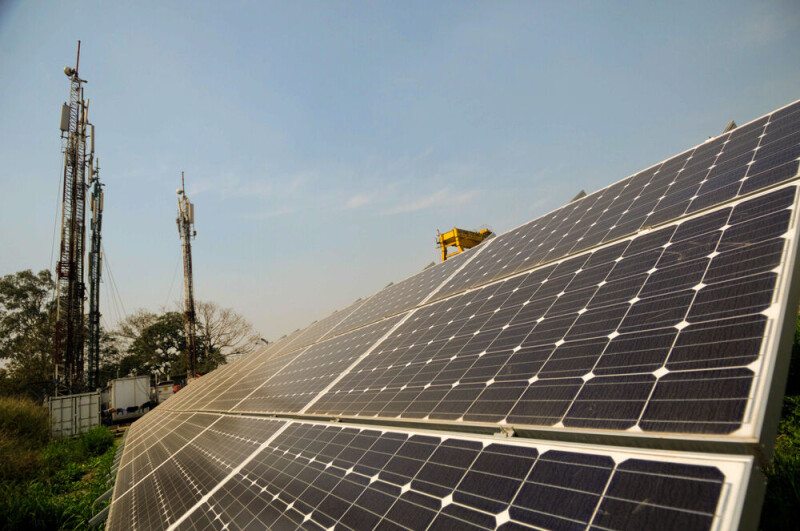
The adaptability of these energy storage systems varies across regions, with southern Europe focusing on photovoltaic resources and integrated PV-storage base stations, while northern Europe prioritizes a more comprehensive approach. In summary, AI-driven upgrades in communications energy storage are empowering a new energy ecosystem, enabling industries to reduce energy costs, generate revenue, stabilize the grid, and transition towards a more sustainable future.
Written by urgent.news from The Register Science's reporting — not their text. Machine-written — may contain errors; check the original before relying on it.
This story
This is one outlet's version. Read the fullest account.