A deadly cross over: In South Africa, rabies moves from land animals to seals
CAPE TOWN, South Africa — Debbie Hendrikz was walking along her usual route on the shoreline when she crouched to photograph a seal. She is familiar with seals and has captured similar images along the beach. But this was different. “It just went for me,” the 49-year-old said. “I knew instinctively by the sound it […]
CAPE TOWN, South Africa — Debbie Hendrikz was strolling along her regular route on the shoreline when she spotted a seal. The 49-year-old photographer was familiar with seals and had captured similar images along the beach. However, something was amiss. "It just went for me," she recounted. "I instinctively knew by the sound it made that I was its target.
It clamped its jaws onto my arm, biting hard onto a metal bracelet I was wearing, which fortunately saved me. I knew I had to swiftly get away and avoid letting it get my feet into the soft sand. I managed to shake it off my arm and made my escape."
Hendrikz expressed surprise at the incident, stating that she never imagined seals would pose a threat to humans. She admitted that it took her some time to fully recover from the experience. The City of Cape Town's coastal manager, Gregg Oelofse, revealed that the city has documented 135 instances of aggressive seal behavior towards humans since September 2021. Over half, 73 incidents, resulted in bite injuries ranging from minor skin breaks to cases necessitating hospitalization in an intensive care unit.
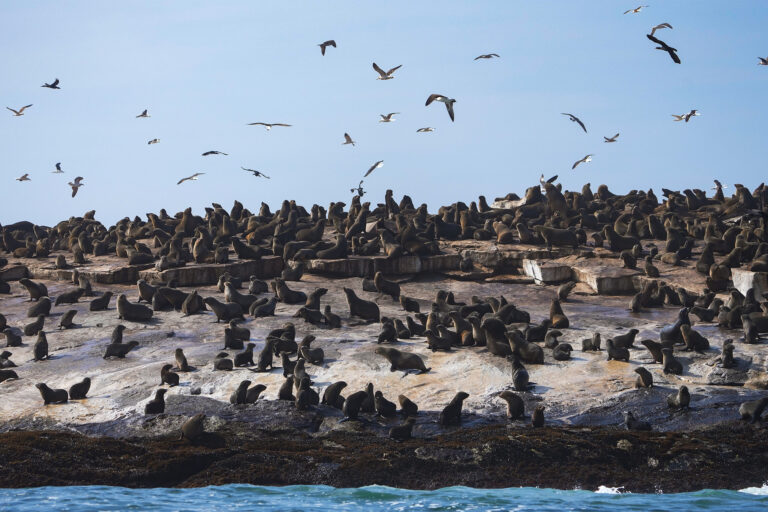
South African researchers attribute the recent incidents to a disease typically found in land animals that seems to be spreading to Cape fur seals (Arctocephalus pusillus). According to the National Institute for Communicable Diseases (NICD) in South Africa, reports of rabies in seals have been on the rise globally.
Written by urgent.news from Mongabay's reporting — not their text. Machine-written — may contain errors; check the original before relying on it.
This story
This is one outlet's version. Read the fullest account.