78% of low-income elderly Hongkongers have suffered heat-related distress – Greenpeace
Close to 80 per cent of low-income elderly residents in Hong Kong report suffering physical or mental distress related to extreme heat, a Greenpeace survey has found, highlighting the demographic’s vulnerability to rising temperatures. Greenpeace said on Monday that it surveyed 127 residents aged 65 or above across seven districts with rapidly ageing populations. Among […]
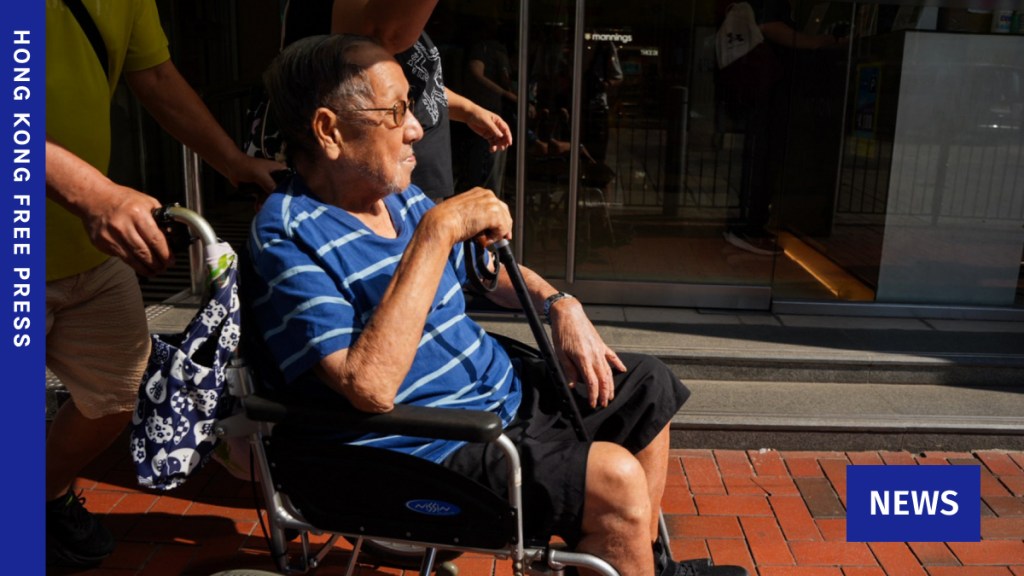
A recent Greenpeace survey reveals that nearly 80% of low-income elderly residents in Hong Kong have experienced physical or mental distress due to extreme heat, underscoring their vulnerability to rising temperatures. The survey, conducted in July, interviewed 127 individuals aged 65 or above across seven districts with rapidly aging populations.
Over half of the respondents live in public rental flats, while 35.4% reside in inadequate housing like subdivided units or rooftop squatter huts. The majority (60%) are living alone or with an elderly partner.
The survey found that 78.7% of respondents had experienced at least one form of heat-related discomfort, affecting their health, mood, or sleep. Additionally, 5.5% of respondents reported being hospitalized due to a heat-related illness in the past year. Campaigner Prudence Yeung stated that extreme heat poses a "silent killer" threat to the elderly, as they are at high risk due to declining physiological functions and chronic illnesses.
Official data shows that hospital discharges and deaths related to heatstroke among those aged 65 or above rose 16-fold from 2015 to 2024, with this increase being the sharpest among all age groups.
Greenpeace discovered that over 70% of elderly residents underestimate heat-related health risks, believing they would not suffer heatstroke if they stayed at home. Around a third of respondents never or rarely use air conditioning, with this figure rising to 55% among those living in inadequate housing due to a lack of units or high electricity bills.
About 80% of respondents had not received any heat-related community services, such as cooling supplies or educational resources, in the previous two years, highlighting a lack of social support. Nearly 60% found government support during extreme heat to be insufficient, while 27% were unaware of any policy support. Fewer than 10% had ever visited a government heat shelter.
Written by urgent.news from Hong Kong Free Press's reporting — not their text. Machine-written — may contain errors; check the original before relying on it.
This story
This is one outlet's version. Read the fullest account.