10 plants that attract birds, bees and butterflies to Indian gardens
Creating a habitat for birds, bees, butterflies, and other beneficial creatures is more than just about vibrant flowers. As urban areas encroach on natural spaces, even a modest balcony or backyard, filled with the appropriate plants, can offer sustenance, shelter, and nesting sites for local wildlife. Here are ten plant species to consider for a garden that supports biodiversity.
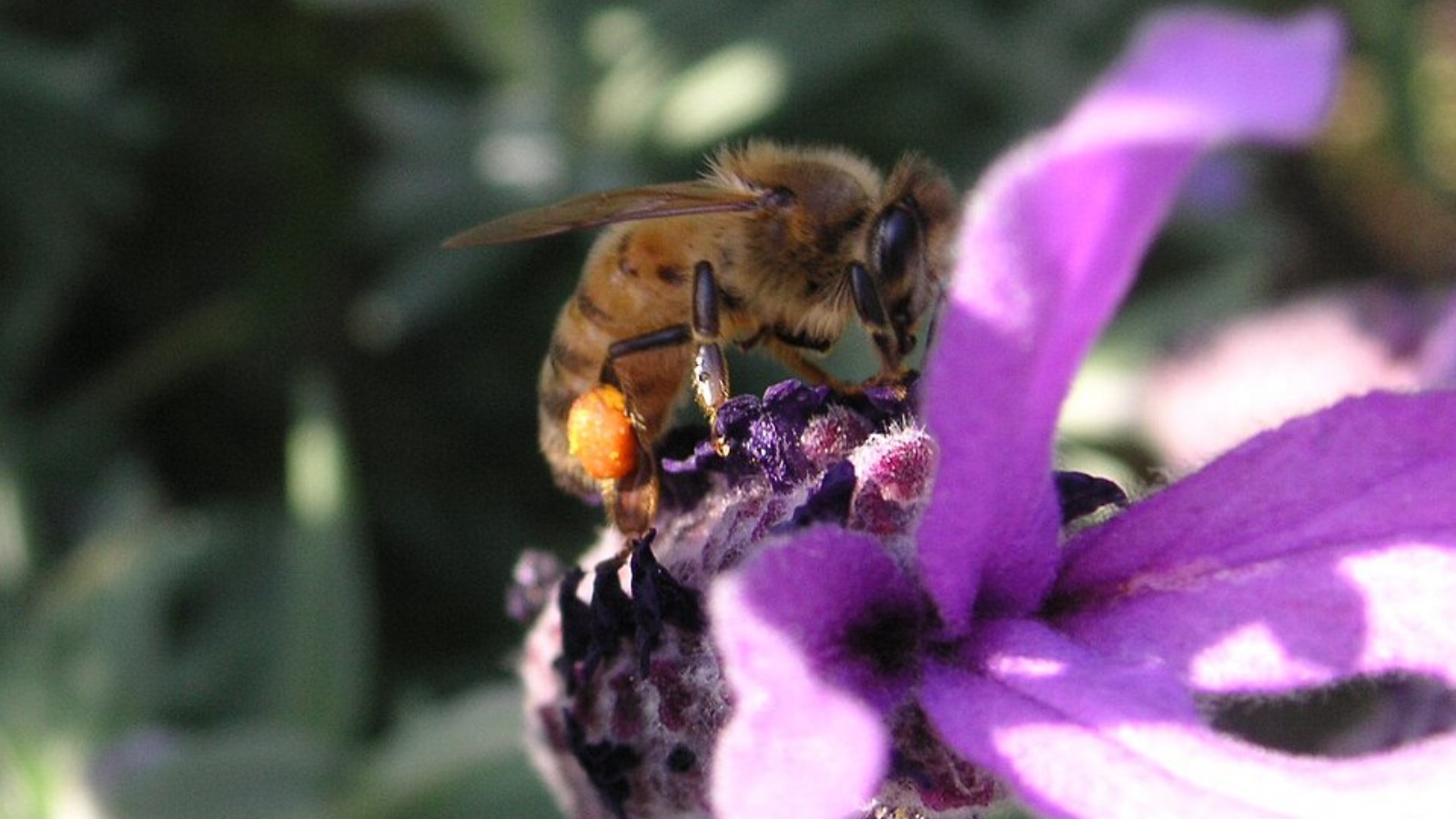
Lavender, with its fragrant purple blooms, is a magnet for honeybees, bumblebees, and butterflies. This plant flourishes in sunny, well-drained locations and offers a prolonged blooming period. Wildlife it attracts: Bees, butterflies, and hoverflies.
Sunflowers not only provide a nectar source for pollinators during their blooming phase, but they also become a feast for seed-eating birds once they produce seeds. Birds that enjoy these seeds include finches and sparrows. Wildlife it attracts: Bees, butterflies, and birds.
Milkweed is renowned for its role in supporting butterflies, particularly monarchs in areas where they are present. Its nectar-rich flowers also draw a variety of native pollinators. Wildlife it attracts: Butterflies, bees, and beneficial insects.
Native hibiscus offers nectar to birds and insects, and its dense foliage can provide shelter for smaller wildlife. Native species tend to be more beneficial than hybrid ornamental varieties. Wildlife it attracts: Sunbirds, bees, and butterflies.
Marigolds are easy to cultivate and possess bright colors that attract bees and butterflies. These plants also possess pest-repelling properties. Wildlife it attracts: Bees, butterflies, and beneficial insects.
Bottlebrush, with its brush-like red flowers, is a significant source of nectar, drawing sunbirds, bees, and butterflies. Wildlife it attracts: Sunbirds, bees, and butterflies.
Berry-producing shrubs present a vital food source for birds, particularly when insects are scarce. These shrubs also provide nesting cover. Wildlife it attracts: Songbirds and small mammals.
Jasmine, especially many species that emit fragrance in the evening, attracts moths and nocturnal pollinators that play a crucial ecological role. Wildlife it attracts: Moths, bees, and butterflies.
Native grasses, often overlooked, provide seeds for birds, shelter for insects, and nesting material for wildlife. They also require minimal maintenance. Wildlife it attracts: Birds, butterflies, and beneficial insects.
Finally, if basil is permitted to flower, it can serve as an excellent nectar source. Both holy basil (tulsi) and sweet basil attract numerous pollinating insects. Wildlife it attracts: Bees, butterflies, and hoverflies.
Written by urgent.news from The Indian Express's reporting — not their text. Machine-written — may contain errors; check the original before relying on it.
Also reported by 1 other outlet
- 10 plants that attract birds, bees and butterflies to Indian gardens indianexpress.com